
National Parks in Illinois
Explore 8 national parks and historic sites across Illinois. Visit parks in 6 cities including Santa Fe, Springfield, and 4 more. Discover the natural wonders and cultural heritage preserved in this remarkable state.
8
Park Sites
6
Cities
4
Park Types
From pivotal moments in American civil rights history to trails that shaped westward expansion, Illinois national parks preserve stories that fundamentally changed our nation. The Pullman National Historical Park in Chicago showcases the groundbreaking company town that revolutionized American labor movements, while the Springfield 1908 Race Riot National Monument documents a tragic yet transformative event in racial justice history. These eight distinctive sites span three different park types—National Historic Trails, National Monuments, and National Historic Sites—each offering visitors profound insights into American heritage. The Trail of Tears National Historic Trail stretches across multiple states, with significant portions reflecting the forced removal of Native American nations through Illinois. New Philadelphia National Historic Site reveals the story of one of the first integrated communities in pre-Civil War America. Illinois national parks represent more than mere historical markers; they are living classrooms where visitors connect with the courage, struggle, and resilience of those who came before us. Whether exploring urban heritage in Chicago or tracing migration routes across the state, Illinois national parks deliver authentic experiences rooted in the nation's most defining chapters.
Types of Parks in Illinois
National Historic Trail (3)
National Monument (2)
National Historic Site (2)
National Historical Park (1)
Why Visit Illinois National Parks
Illinois national parks distinguish themselves through their urban accessibility and intimate focus on human stories often overlooked in mainstream history. Unlike many national park systems emphasizing natural landscapes, Illinois national parks concentrate on cultural heritage and social movements that reshaped America. Pullman National Historical Park offers rare insight into Victorian-era architecture and labor reform movements within a preserved community. The Springfield 1908 Race Riot National Monument examines racial violence and community healing with unflinching honesty. The Trail of Tears National Historic Trail provides educational programming about Native American experiences, while New Philadelphia National Historic Site celebrates interracial cooperation in early America. These parks excel at interpreting complex, sometimes difficult histories through ranger programs, exhibits, and guided tours. Illinois national parks typically feature lower visitor crowding than western counterparts, allowing for contemplative exploration. The combination of diverse themes—labor history, racial justice, Native American heritage, and utopian communities—creates a comprehensive narrative unavailable elsewhere.All National Parks in Illinois

Emmett Till and Mamie Till-Mobley National Monument
National Monument
Lewis & Clark National Historic Trail
National Historic Trail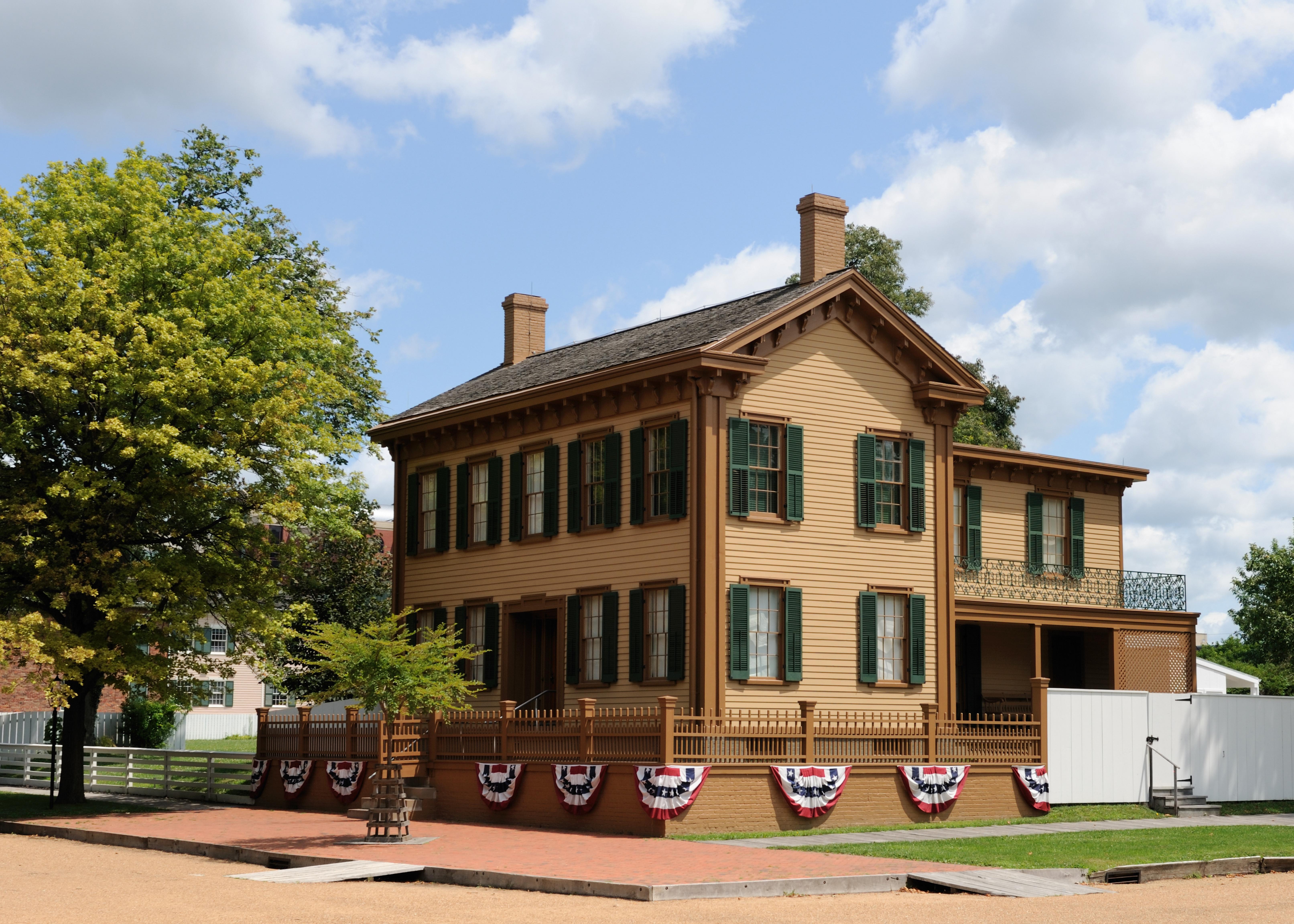
Lincoln Home National Historic Site
National Historic Site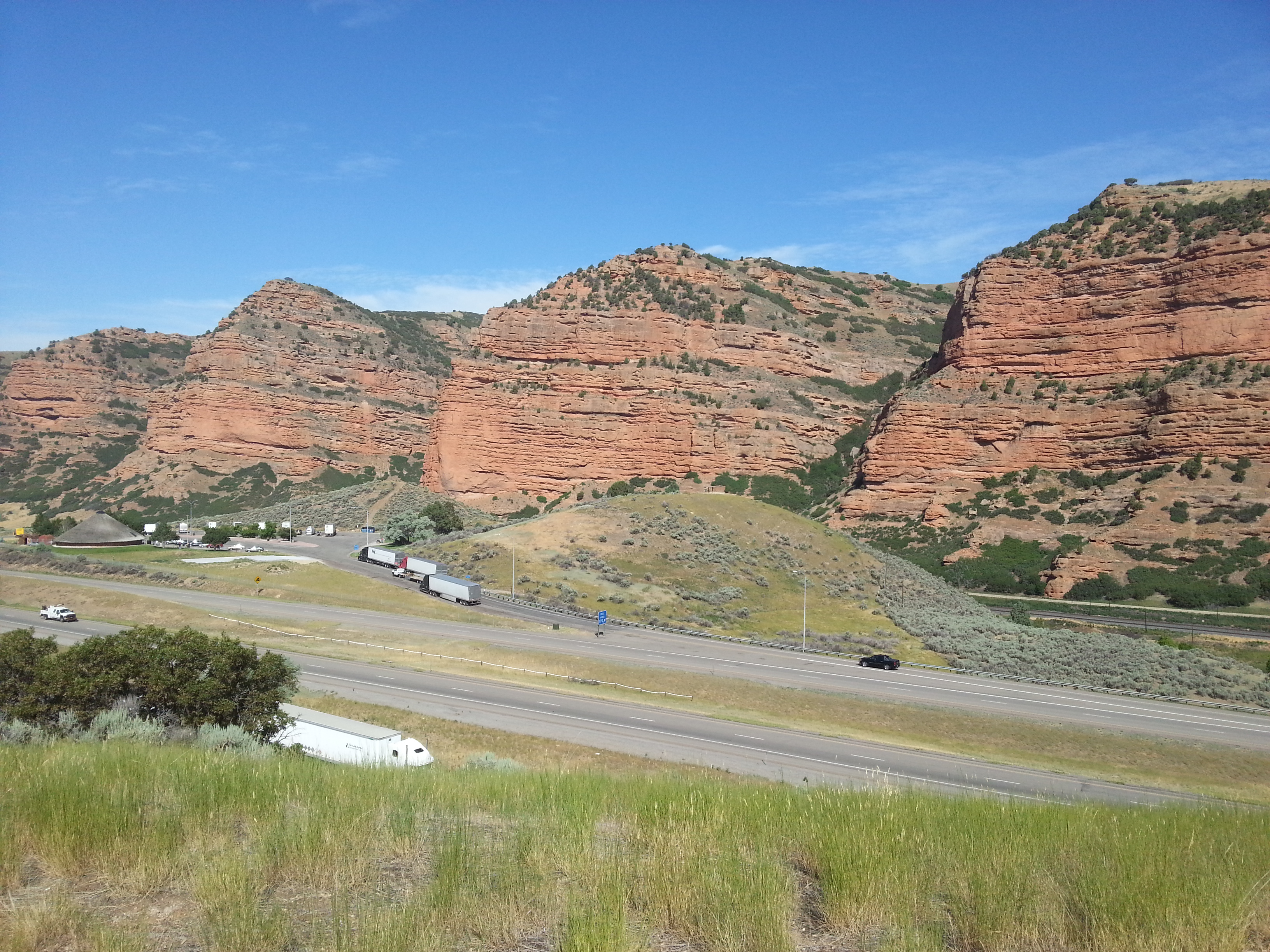
Mormon Pioneer National Historic Trail
National Historic Trail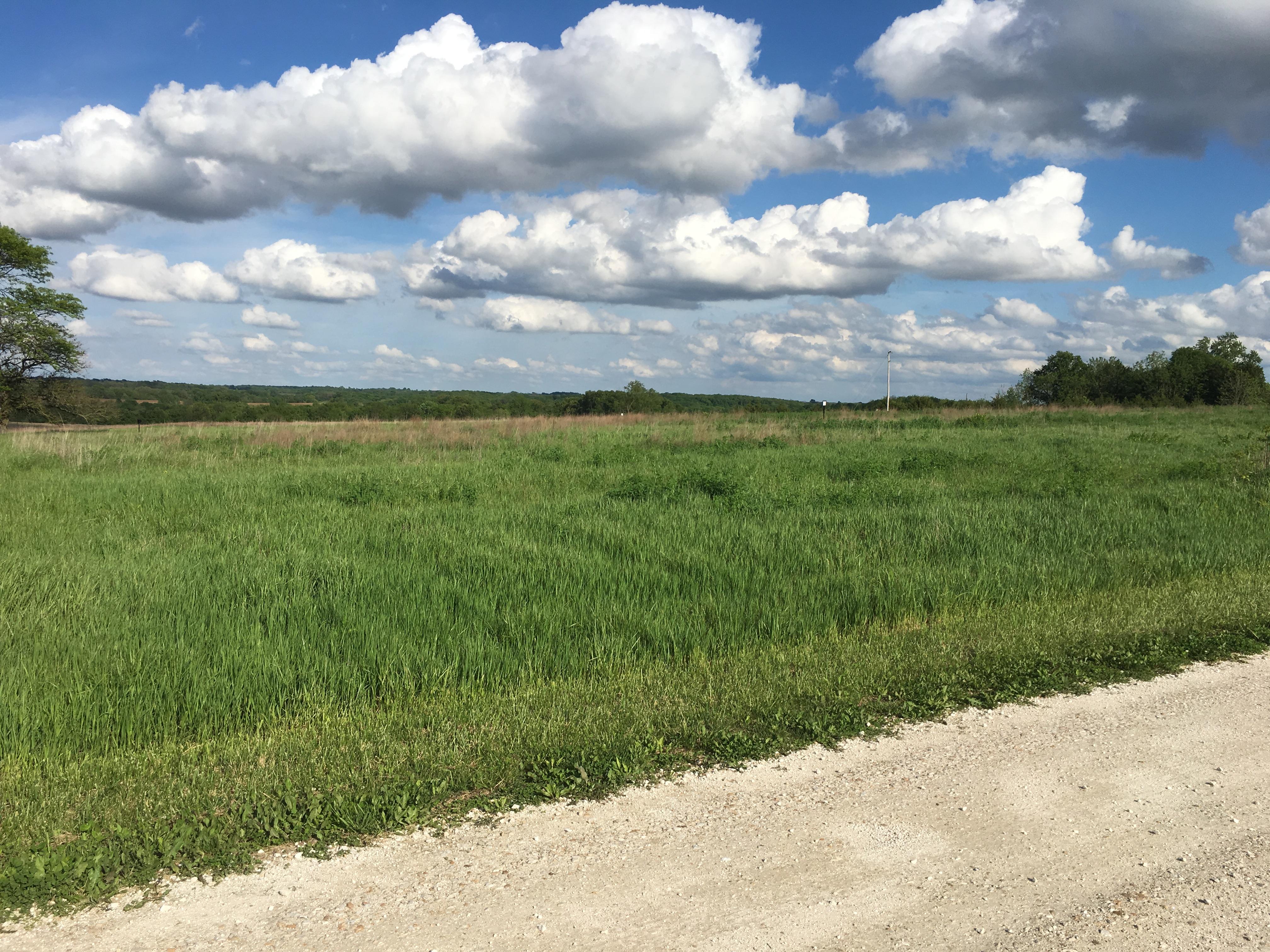
New Philadelphia National Historic Site
National Historic Site
Pullman National Historical Park
National Historical Park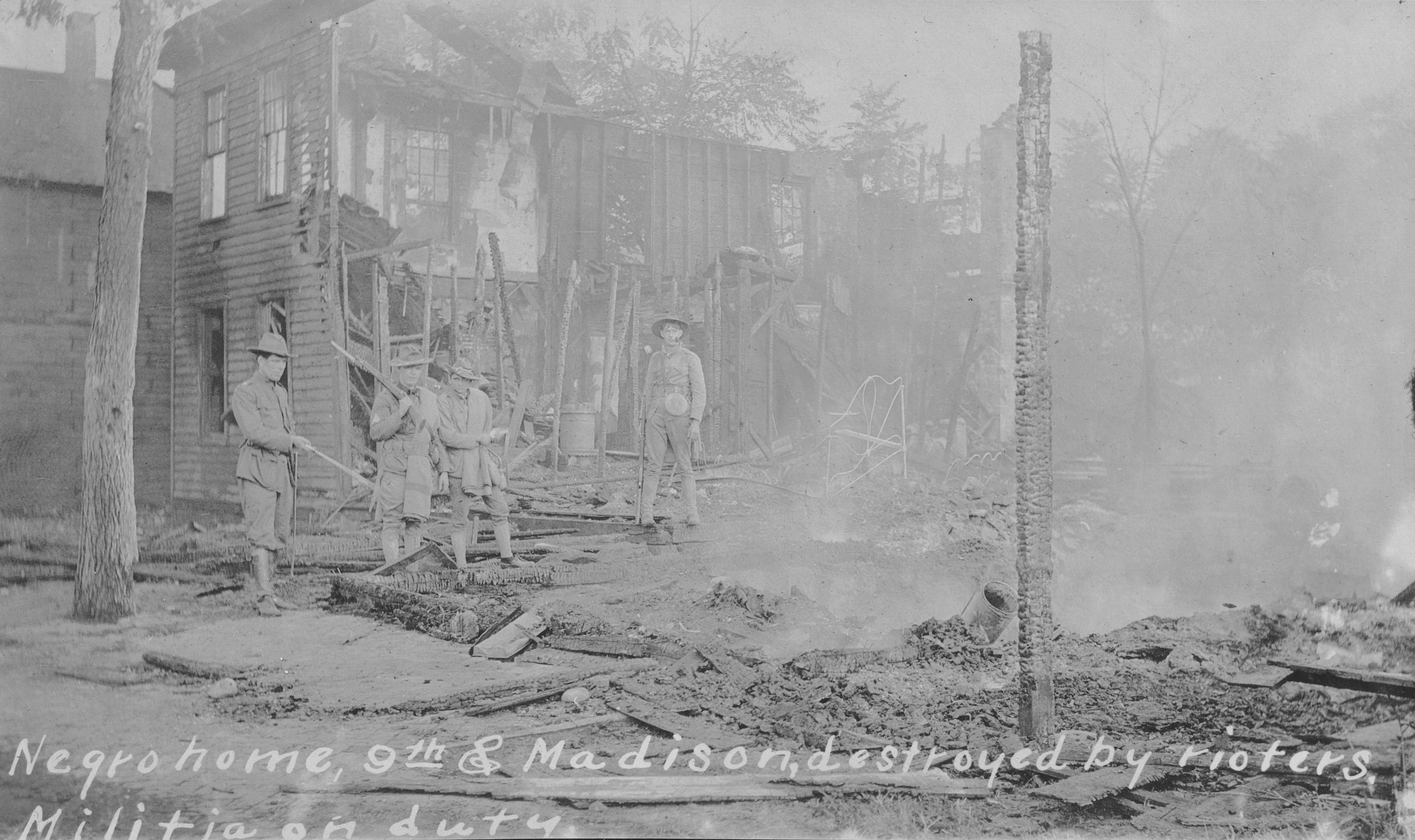
Springfield 1908 Race Riot National Monument
National Monument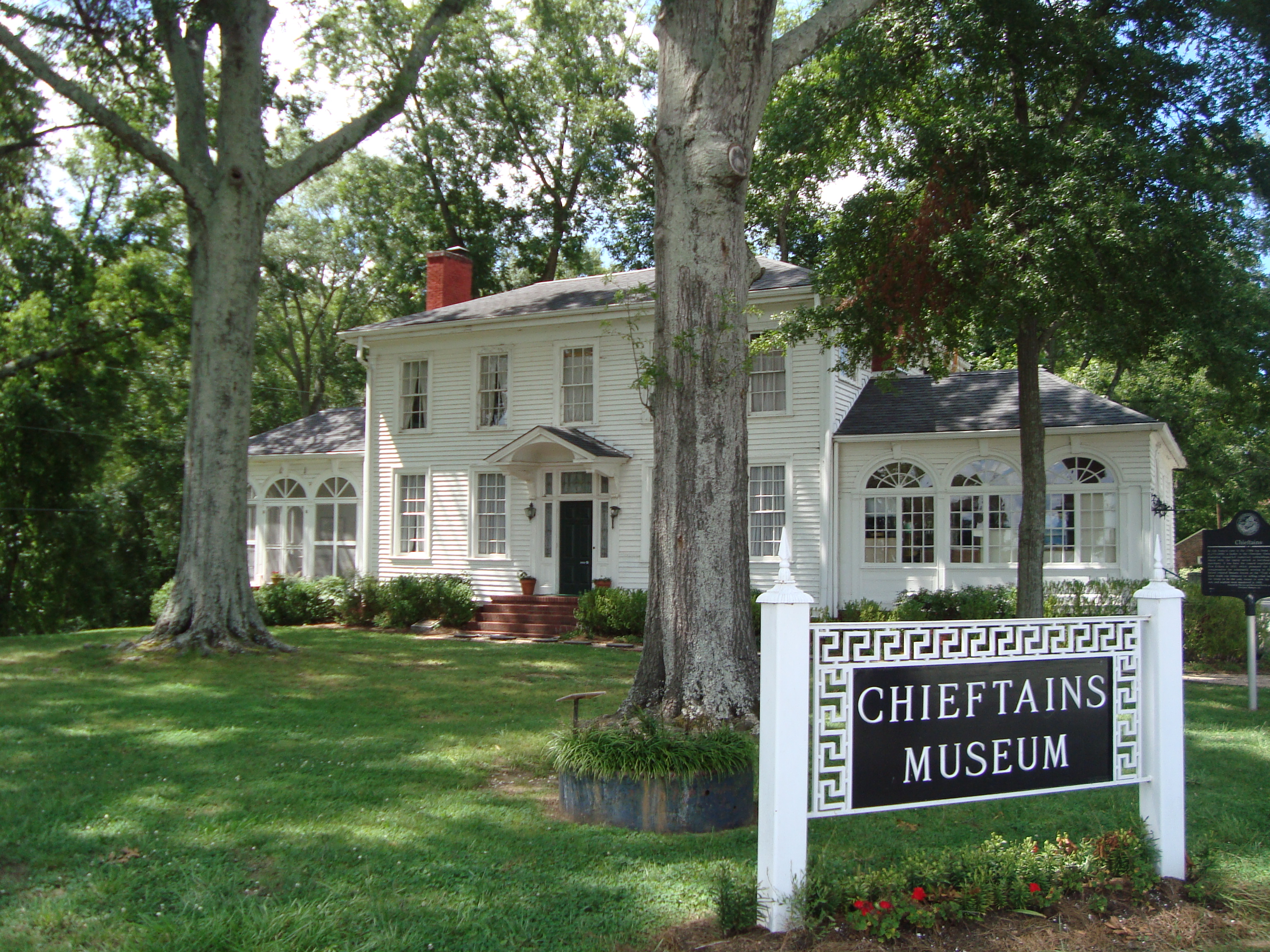
Trail Of Tears National Historic Trail
National Historic TrailPlanning Your Illinois Parks Trip
Most Illinois national parks are easily accessible from major metropolitan areas, particularly Chicago, Springfield, and surrounding communities. Spring and fall offer ideal visiting conditions with comfortable temperatures and manageable crowds. Summer months bring peak tourism but occasional heat and humidity, while winters are navigable though cold. Many Illinois national parks offer free or minimal admission fees, though purchasing an America the Beautiful Pass ($80 annually) provides unlimited access to all national park sites nationwide and often includes parking privileges. Plan visits around ranger-led programs, which typically run year-round with expanded schedules during warmer months. Chicago-area parks like Pullman are accessible by public transportation, while sites like the Springfield monument benefit from having a vehicle for convenient exploration. Most visitors can thoroughly experience individual parks within 2-4 hours, though deeper engagement with interpretive programs may require full-day visits. Contact specific parks ahead for seasonal hours and special programming opportunities.Guided Tours & Experiences in Illinois
We earn a commission if you make a purchase, at no additional cost to you.