
National Parks in Arkansas
Explore 9 national parks and historic sites across Arkansas. Visit parks in 8 cities including Santa Fe, Hope, and 6 more. Discover the natural wonders and cultural heritage preserved in this remarkable state.
9
Park Sites
8
Cities
6
Park Types
Arkansas national parks showcase the state's profound historical significance and natural splendor, preserving pivotal moments that shaped American democracy and culture. From the Trail of Tears National Historic Trail, which commemorates one of history's most important indigenous journeys, to the President William Jefferson Clinton Birthplace Home National Historic Site in Hope, these nine National Park Service sites tell stories that resonate far beyond state borders. The diversity of Arkansas national parks is remarkable—encompassing military history at Pea Ridge National Military Park, civil rights landmarks like Little Rock Central High School National Historic Site, and the serene waters of Buffalo National River. Whether exploring battlefields, walking in the footsteps of presidents, or paddling pristine waterways, visitors discover why Arkansas's national parks represent the full spectrum of American heritage. Each site offers distinct educational experiences and outdoor opportunities, making Arkansas a destination for history enthusiasts, nature lovers, and families seeking meaningful connections to the nation's past and present.
Types of Parks in Arkansas
National Historic Site (3)
National Historic Trail (2)
National Military Park (1)
National Park (1)
National River (1)
National Memorial (1)
Why Visit Arkansas National Parks
Arkansas national parks stand apart for their concentrated focus on transformative American narratives. The state's parks uniquely blend indigenous history, presidential legacy, and civil rights milestones in relatively accessible locations. Buffalo National River provides 135 miles of scenic waterway ideal for canoeing and hiking—a natural counterpoint to the historical sites. The Trail of Tears route through Arkansas represents an emotionally significant corridor where visitors can contemplate indigenous resilience. Little Rock's national historic sites address pivotal civil rights moments with authentic, moving experiences. Military history buffs find unparalleled resources at Pea Ridge, where Civil War battlefield preservation enables immersive understanding. This combination—natural beauty integrated with profound historical narratives—creates opportunities for deeper reflection than typical tourist destinations.All National Parks in Arkansas
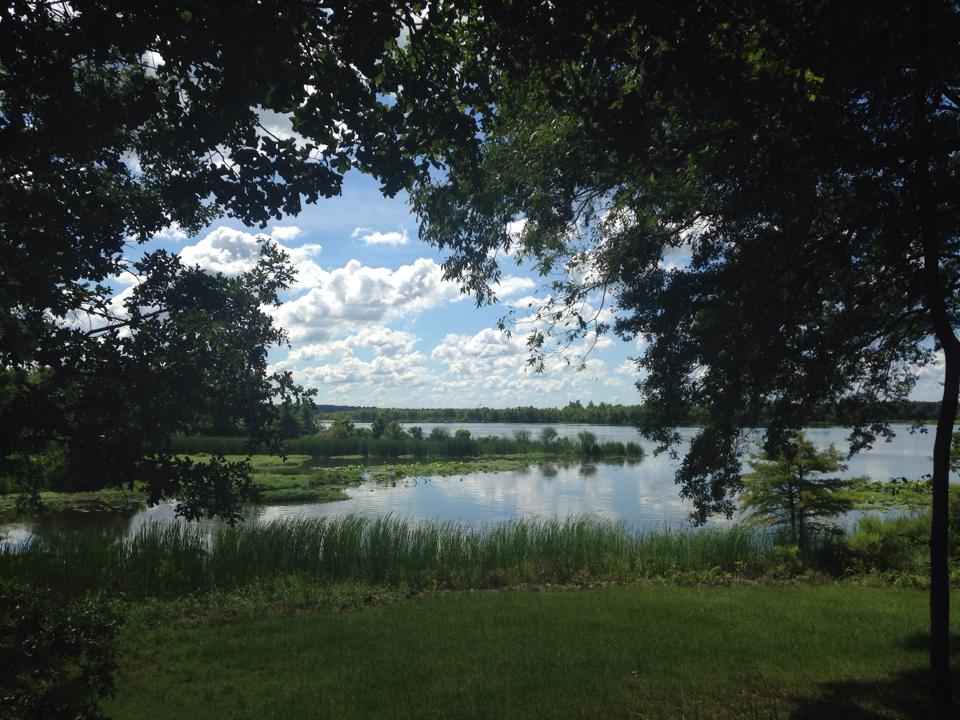
Arkansas Post National Memorial
National Memorial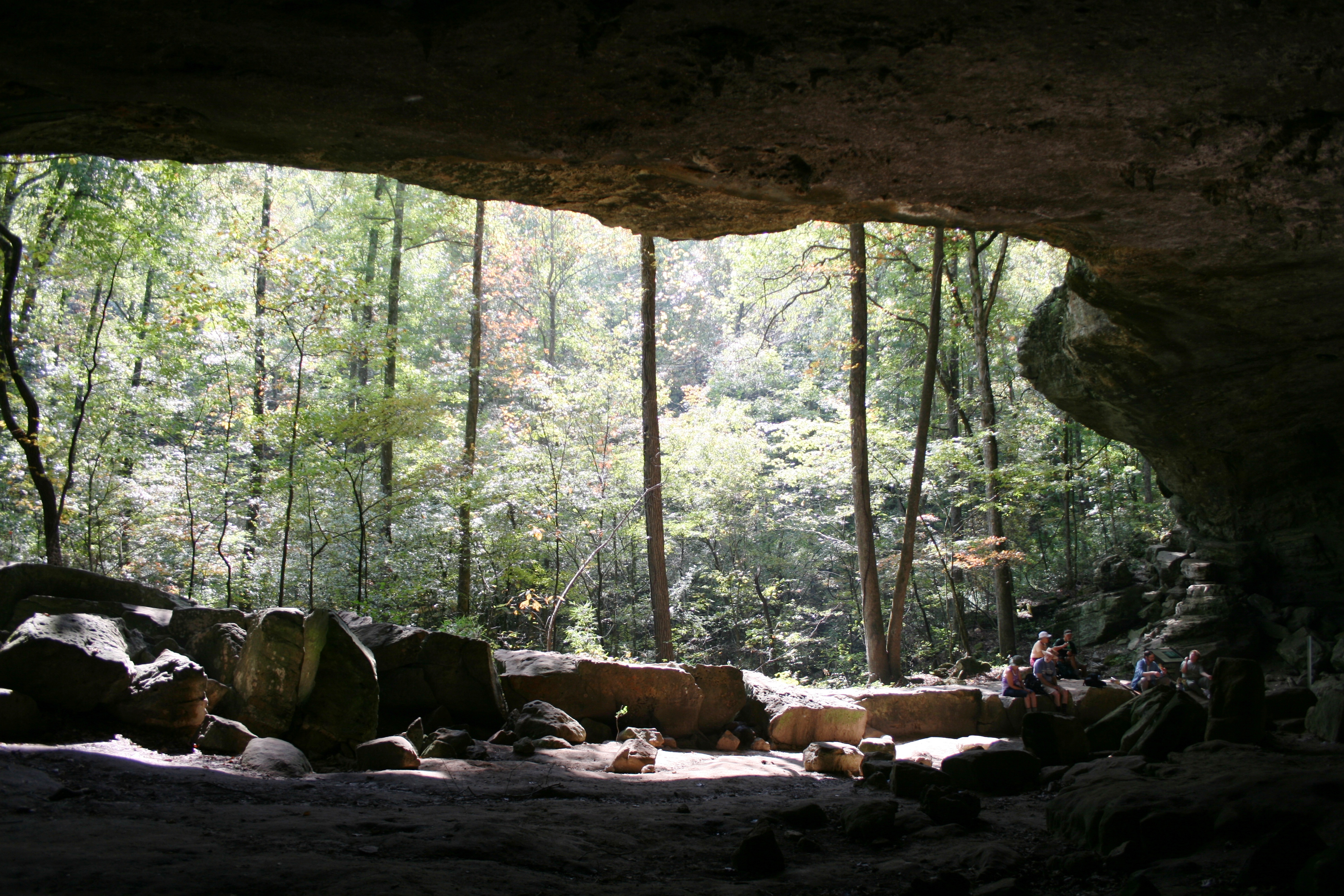
Buffalo National River
National River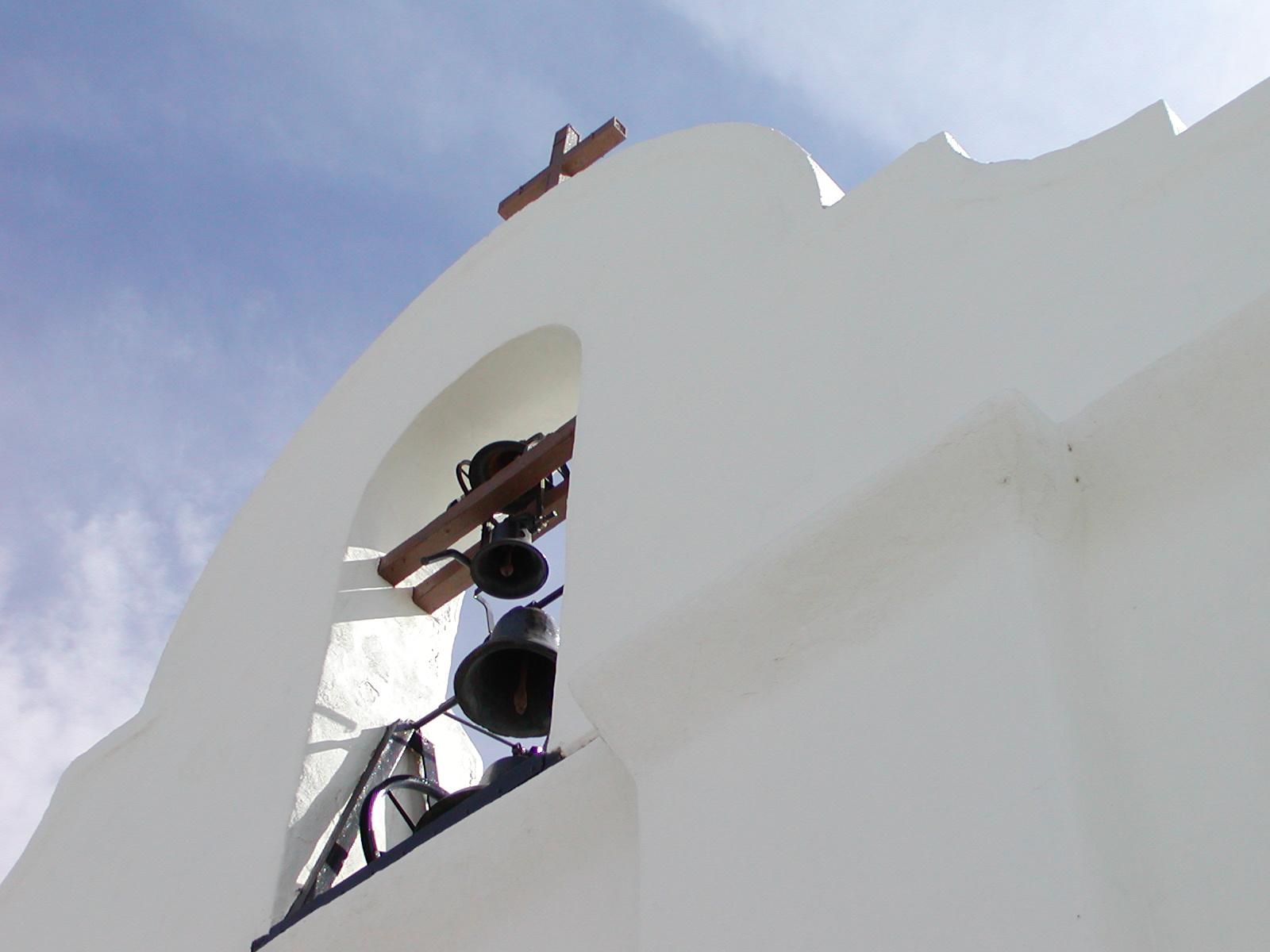
Butterfield Overland National Historic Trail
National Historic Trail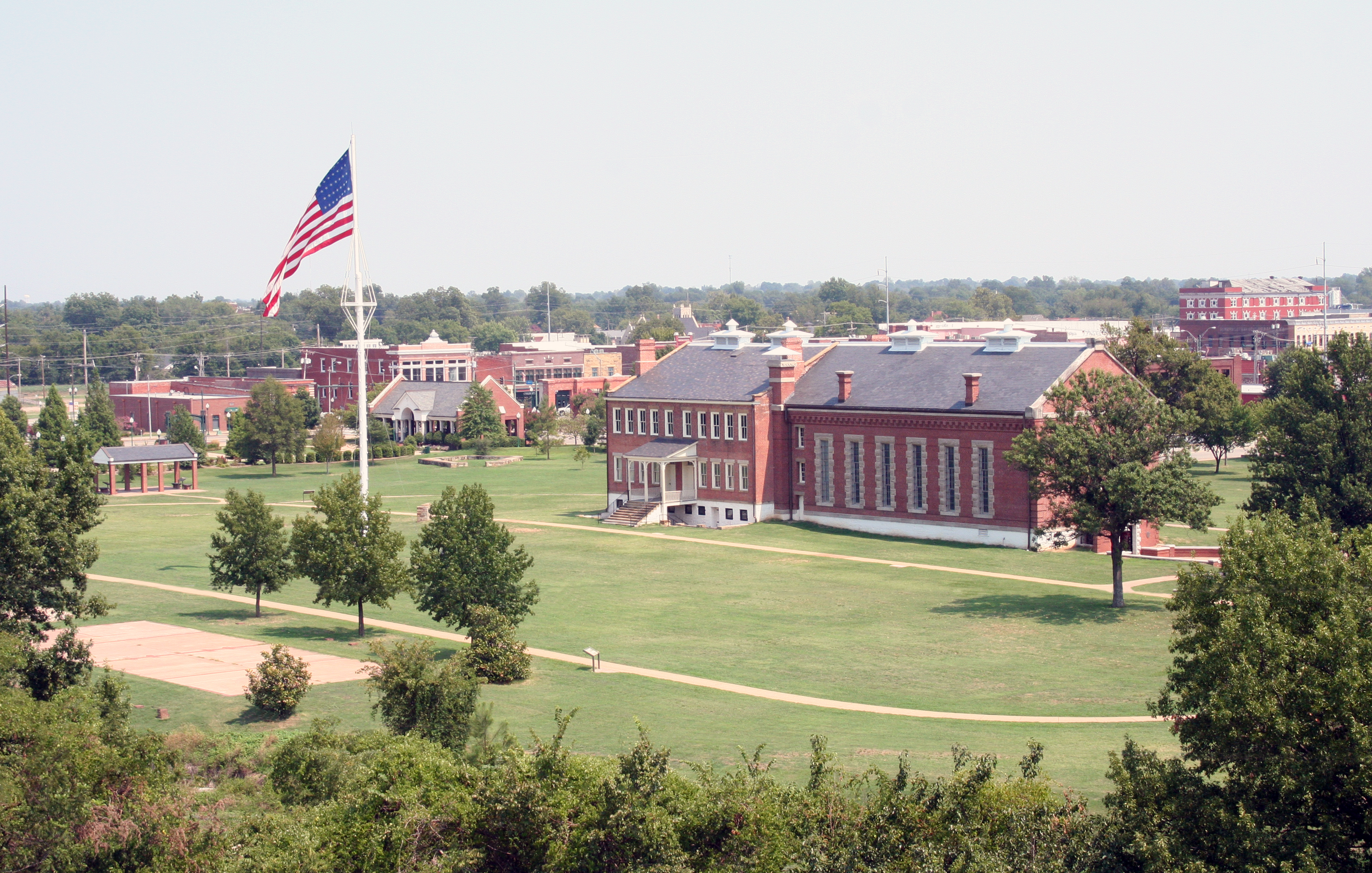
Fort Smith National Historic Site
National Historic Site
Hot Springs National Park
National Park
Little Rock Central High School National Historic Site
National Historic Site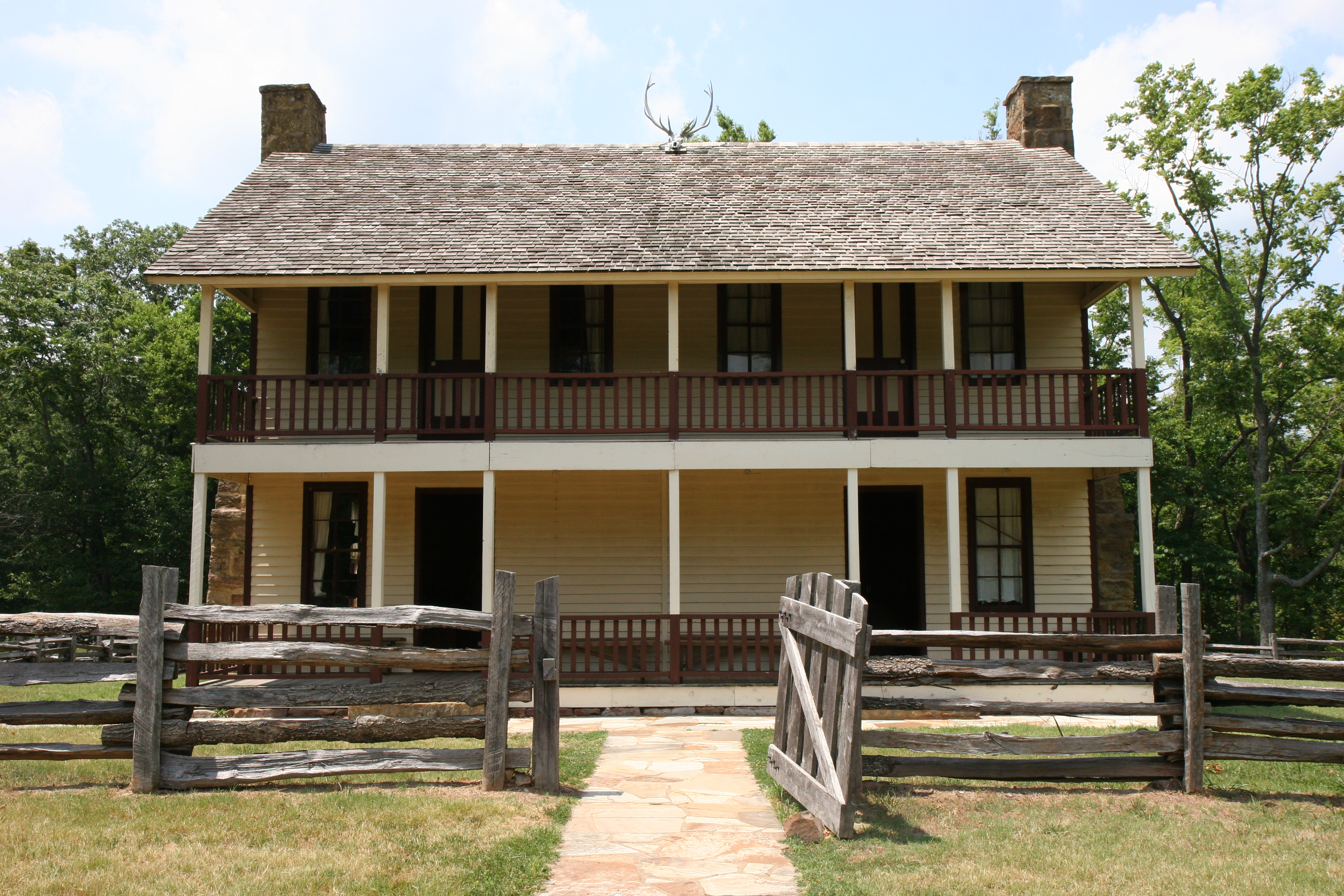
Pea Ridge National Military Park
National Military Park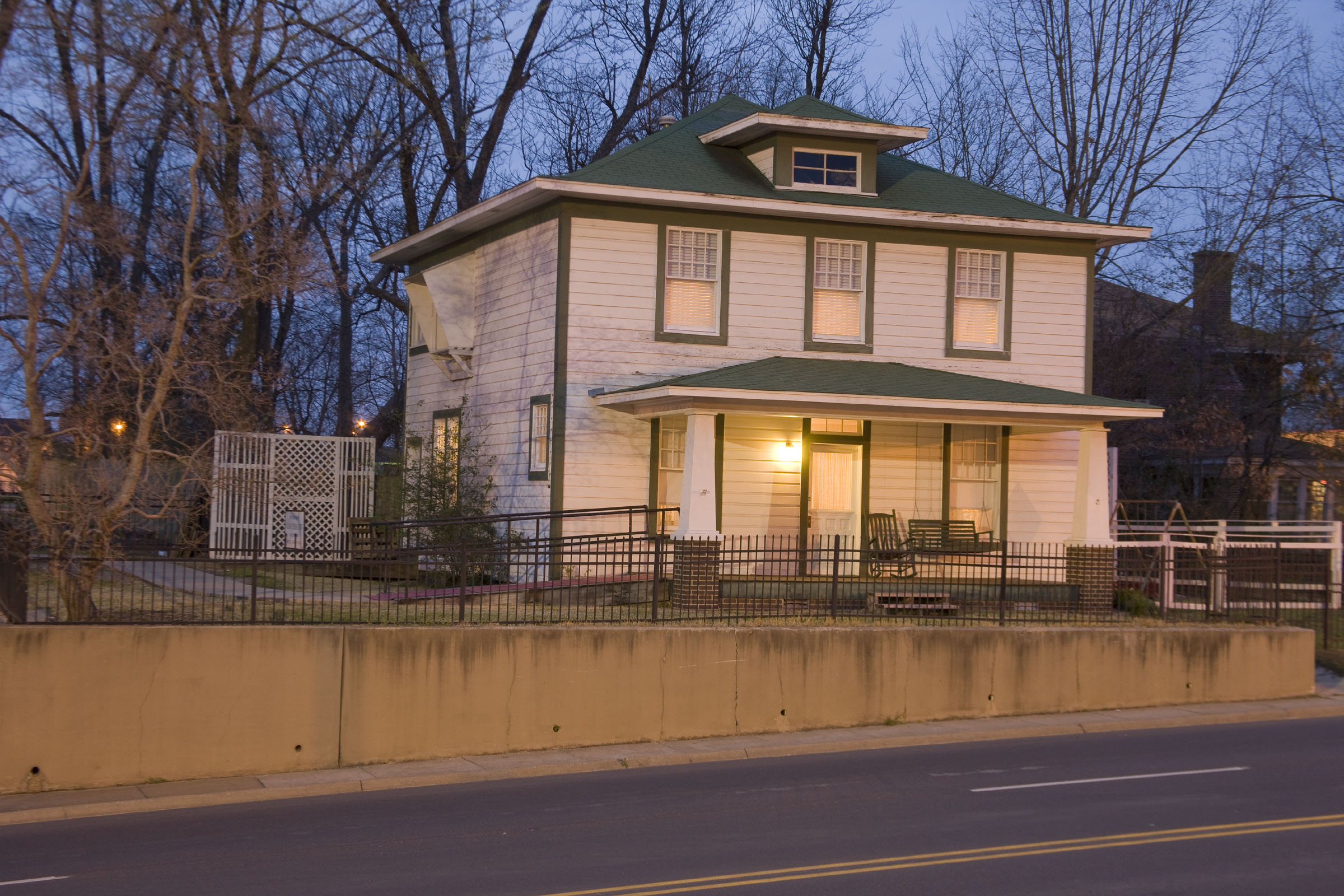
President William Jefferson Clinton Birthplace Home National Historic Site
National Historic Site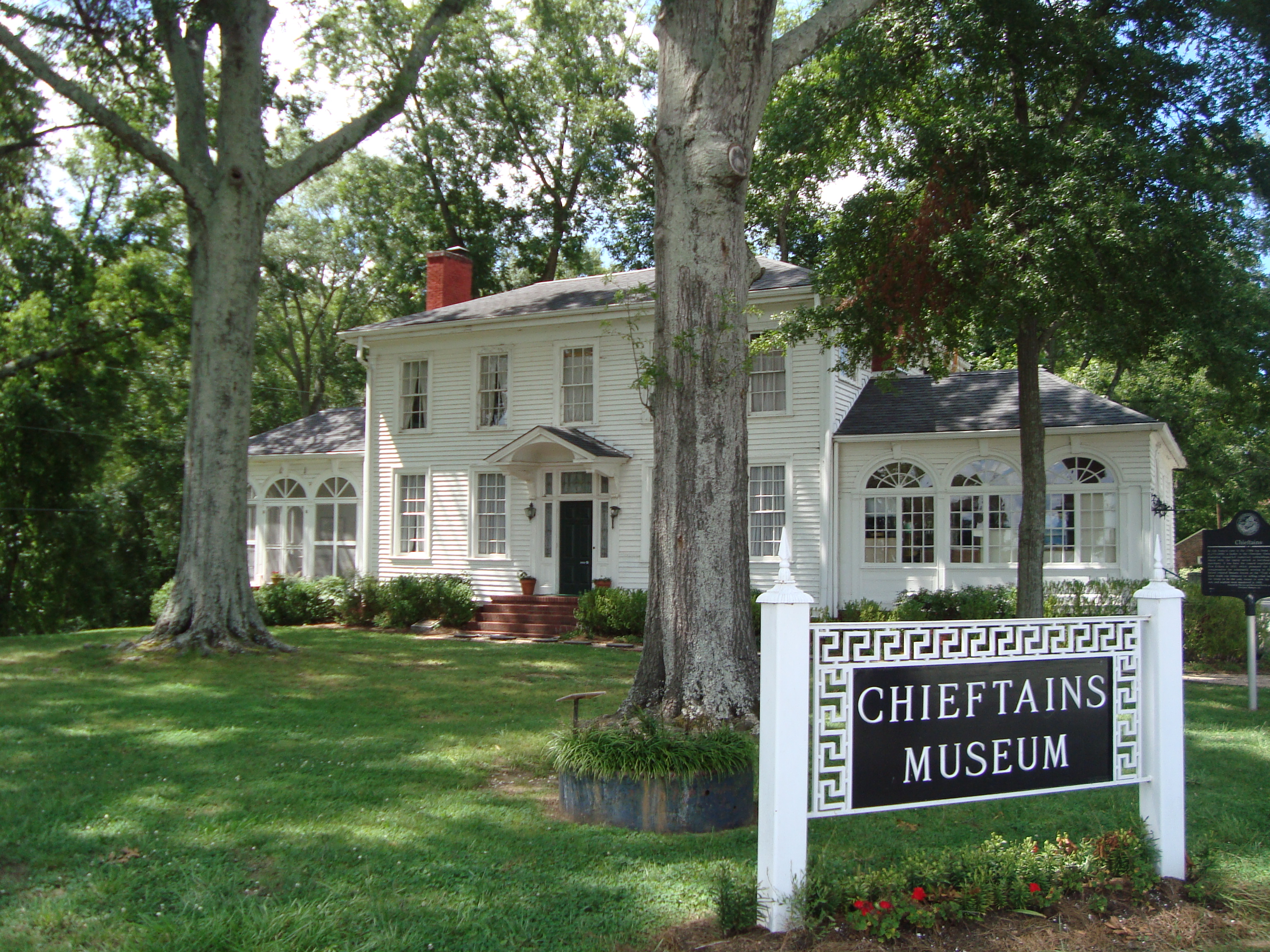
Trail Of Tears National Historic Trail
National Historic TrailPlanning Your Arkansas Parks Trip
The ideal visiting season spans spring through fall, when weather supports outdoor activities and all Arkansas national parks maintain full accessibility. Buffalo National River and surrounding parks peak during spring wildflowers and autumn foliage. Most Arkansas national parks cluster within two hours of Little Rock, Arkansas's largest city, simplifying logistics for multi-site itineraries. Historic sites in Hope and Garfield are accessible via US-67 and I-40 corridors. Consider purchasing an America the Beautiful annual pass ($80) if visiting multiple NPS sites during your Arkansas trip—it provides unlimited access to all national parks and sites nationwide. Spring and early fall offer optimal hiking conditions, while winter visits remain viable for indoor historic site exploration. Plan minimum two-three days to experience Arkansas national parks meaningfully, allowing sufficient time for ranger-led programs and outdoor recreation.Guided Tours & Experiences in Arkansas
We earn a commission if you make a purchase, at no additional cost to you.