
National Parks in U.S. Virgin Islands
Explore 5 national parks and historic sites across U.S. Virgin Islands. Visit parks in 3 cities including St. John, Christiansted, and 1 more. Discover the natural wonders and cultural heritage preserved in this remarkable state.
5
Park Sites
3
Cities
4
Park Types
Caribbean tropical ecosystems meet American heritage across five exceptional National Park Service sites in the U.S. Virgin Islands. These islands showcase some of the nation's most biodiverse and historically significant landscapes, where pristine beaches transition into vibrant coral reefs and lush subtropical forests. Virgin Islands National Park dominates St. John, protecting nearly two-thirds of the island with white-sand beaches, underwater gardens, and ancient Taíno archaeological sites. The Virgin Islands Coral Reef National Monument extends conservation efforts beneath the waves, safeguarding one of the Western Hemisphere's most productive marine ecosystems. Salt River Bay National Historical Park and Ecological Preserve preserves both the only remaining mangrove estuary in the territory and the site of Columbus's second landing in the New World. U.S. Virgin Islands national parks collectively represent the National Park System's commitment to preserving Caribbean natural wonders and European colonial history. Complementing these major sites, Christiansted National Historic Site on St. Croix documents Danish colonial architecture and American maritime heritage. This unique combination of park types—from national monuments protecting coral reefs to historical parks interpreting cultural narratives—creates an unparalleled destination where visitors experience pristine nature alongside profound historical contexts.
Types of Parks in U.S. Virgin Islands
National Monument (2)
National Park (1)
National Historical Park and Ecological Preserve (1)
National Historic Site (1)
Why Visit U.S. Virgin Islands National Parks
U.S. Virgin Islands national parks deliver Caribbean adventure unlike mainland destinations. Submerged coral gardens accessible from shore rival world-class diving destinations, while terrestrial trails wind through endemic plant species found nowhere else in America. The islands' historical parks interpret the complex narratives of Taíno indigenous peoples, European colonization, and the African diaspora with unmatched authenticity. Year-round warm temperatures enable water-based activities unavailable in most U.S. parks. Salt River Bay's mangrove forest represents a critical ecosystem type rarely protected within the National Park System. Beaches range from secluded coves to developed recreation areas. The underwater monument system creates opportunities for snorkeling directly from park beaches. Archaeological sites throughout these parks reveal pre-Columbian civilizations and colonial heritage seamlessly integrated into natural landscapes.All National Parks in U.S. Virgin Islands
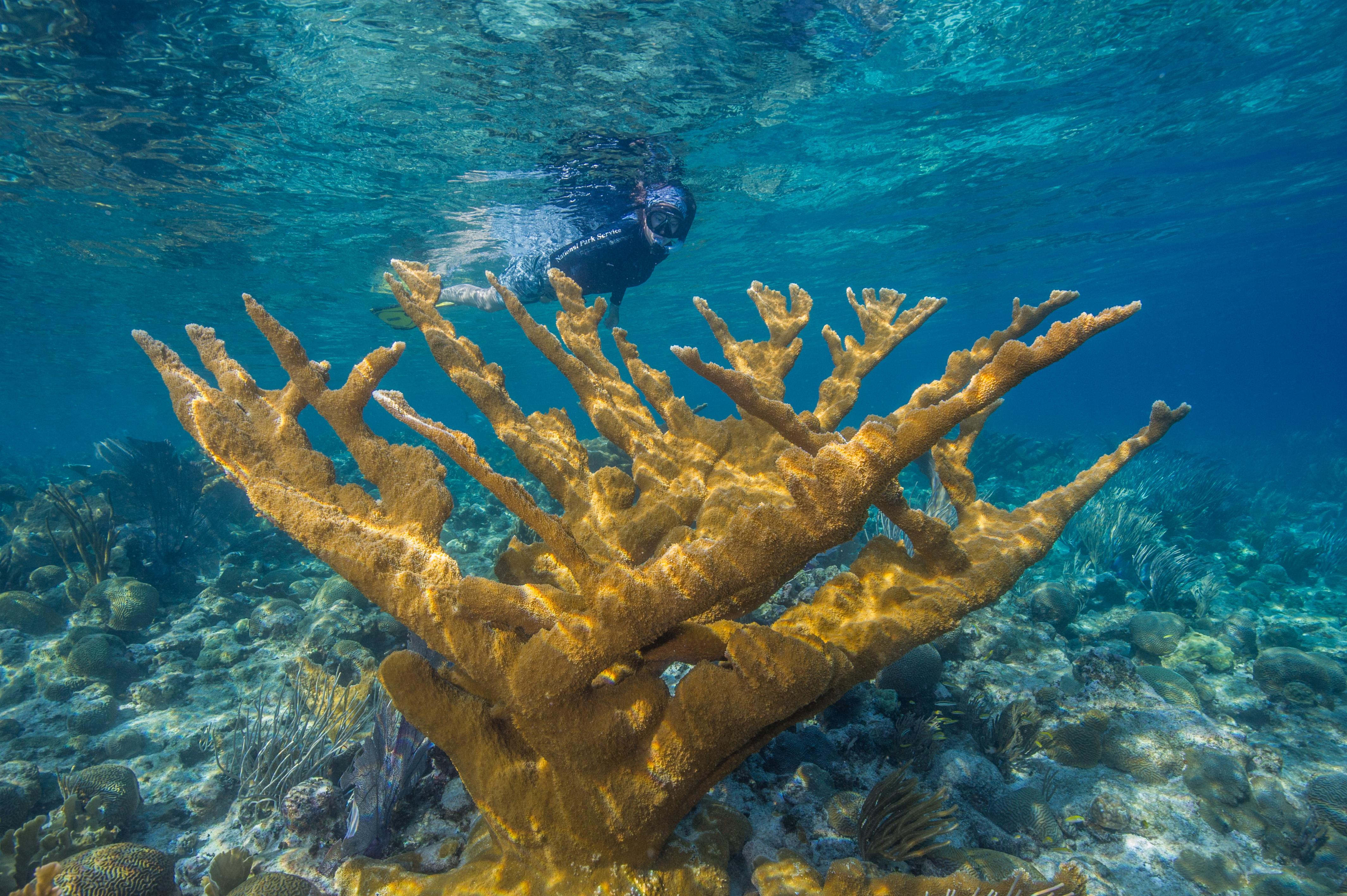
Buck Island Reef National Monument
National Monument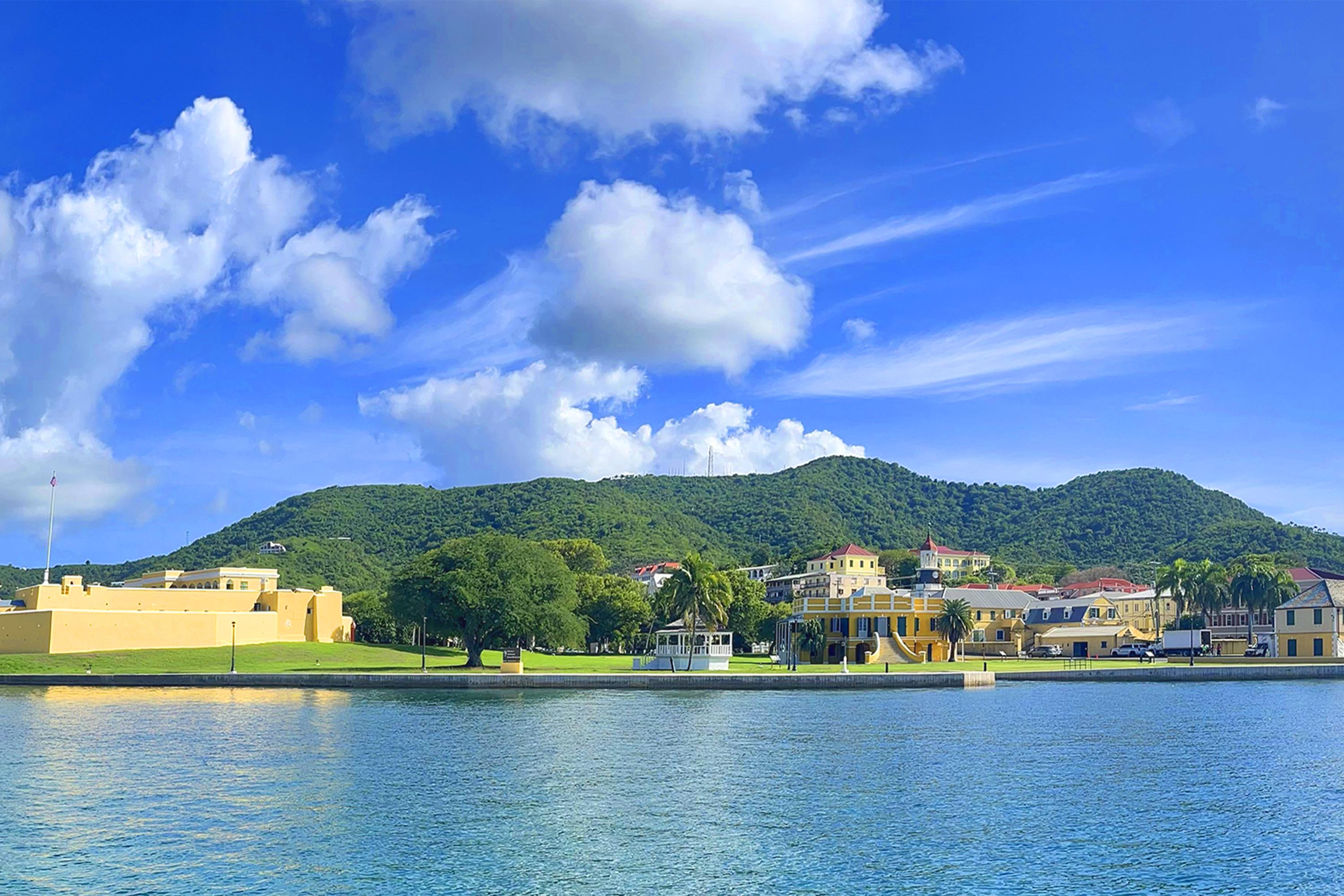
Christiansted National Historic Site
National Historic Site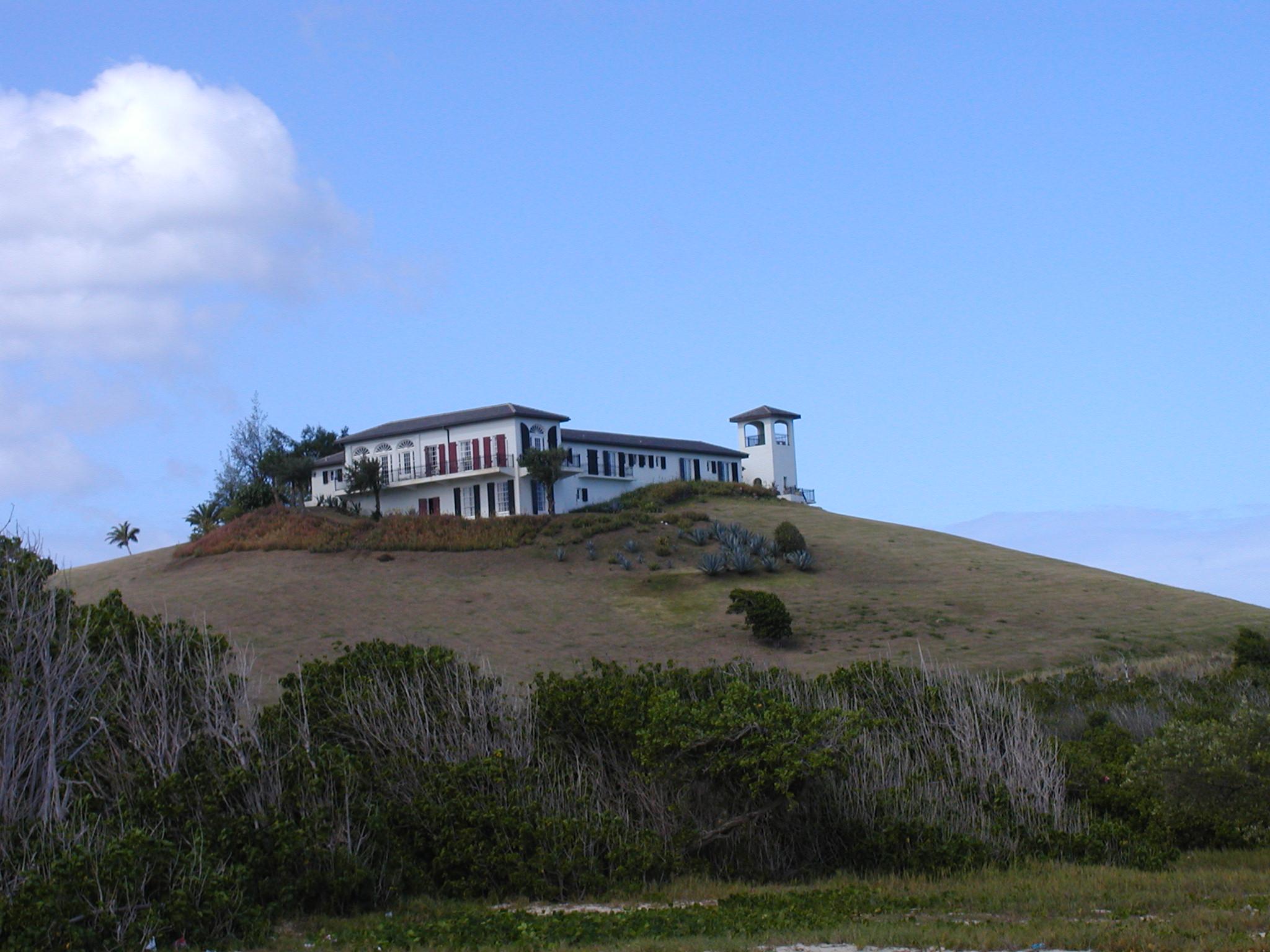
Salt River Bay National Historical Park and Ecological Preserve
National Historical Park and Ecological Preserve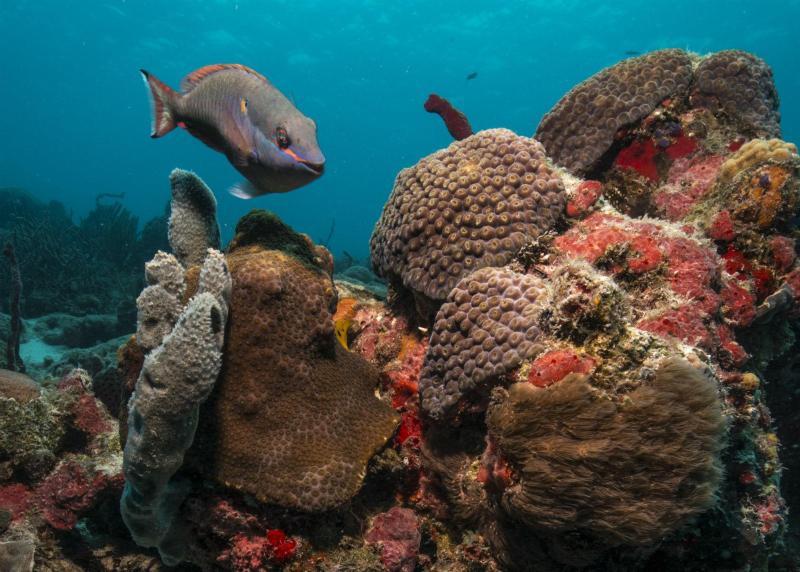
Virgin Islands Coral Reef National Monument
National Monument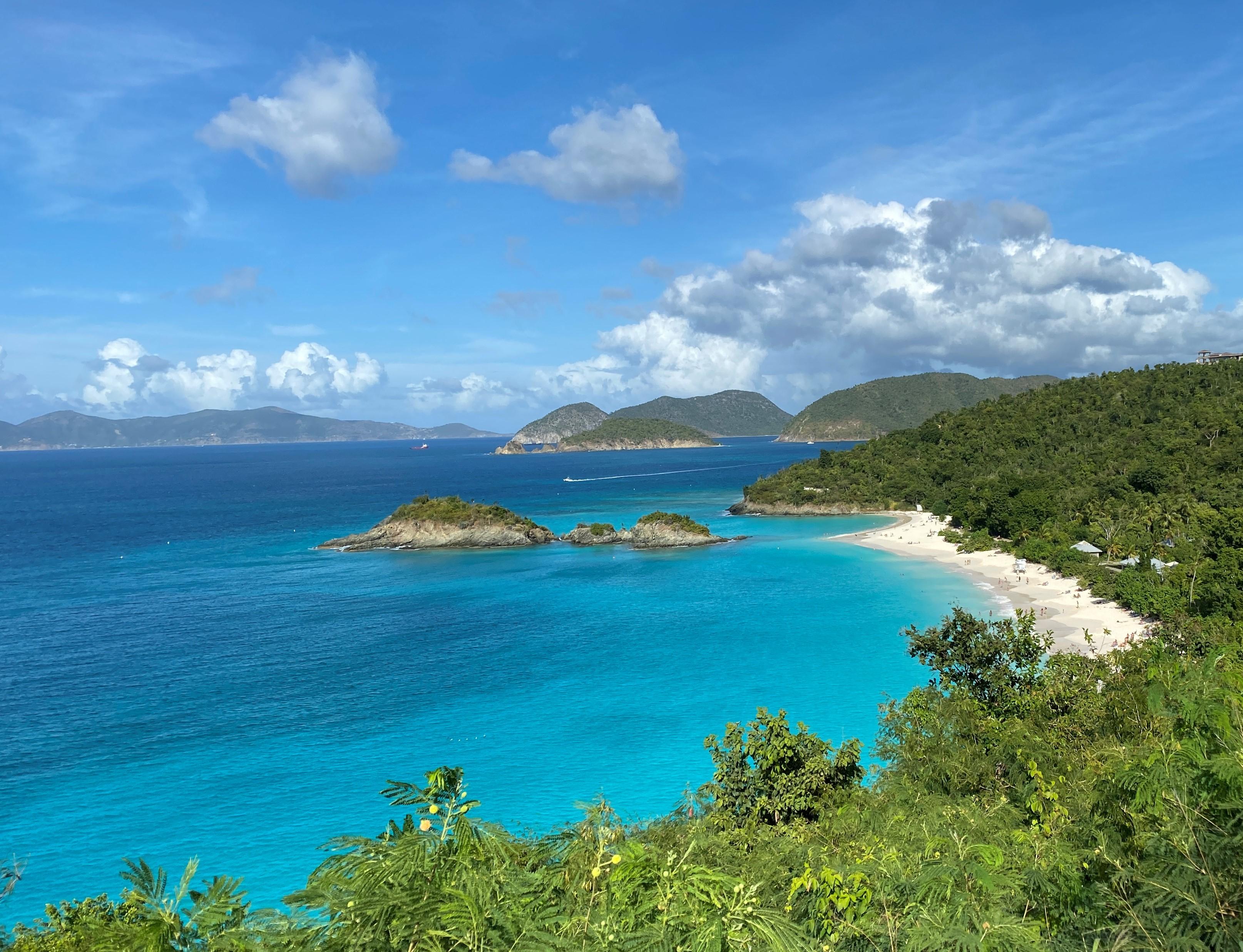
Virgin Islands National Park
National ParkPlanning Your U.S. Virgin Islands Parks Trip
U.S. Virgin Islands national parks welcome visitors year-round, though hurricane season (June-November) presents weather considerations. December through April offers ideal conditions with calm seas and comfortable temperatures. Most parks require ferry access from mainland U.S. ports or regional airports in Puerto Rico; St. Thomas and St. Croix serve as primary gateways. Book accommodations in advance, especially during winter months. The America the Beautiful Annual Pass provides unlimited access to all National Park Service sites, including these Caribbean destinations, for one year at a flat rate. Park visitor centers on St. John and St. Croix offer orientation, while ranger programs provide historical context and safety guidance for water activities. Pack reef-safe sunscreen and bring water shoes for rocky entry points. Road conditions vary; rental cars and taxi services available.Guided Tours & Experiences in U.S. Virgin Islands
We earn a commission if you make a purchase, at no additional cost to you.