
National Parks in Arizona
Explore national parks and historic sites across Arizona. Visit parks in 22 cities including Flagstaff, Santa Fe, and 20 more. Discover the natural wonders and cultural heritage preserved in this remarkable state.
Park Sites
22
Cities
7
Park Types
Arizona's remarkable landscape encompasses 25 National Park Service sites representing an extraordinary range of natural and cultural treasures. From the ancient pueblos preserved at Wupatki National Monument to the Spanish colonial heritage sites at Tumacácori National Historical Park, these protected lands tell stories spanning thousands of years. The state's diverse park portfolio includes three major national parks, thirteen national monuments, historic trails, recreation areas, and significant historical sites that collectively showcase the Colorado Plateau's geological wonders and the Southwest's rich cultural legacy. Walnut Canyon National Monument features cliff dwellings nestled within limestone canyons, while Tuzigoot National Monument crowns a hilltop with multi-story pueblo ruins overlooking the Verde Valley. Arizona national parks represent one of America's most concentrated collections of archaeological significance and scenic beauty, where visitors encounter dramatic red rock formations, ancient Native American settlements, and pivotal historical landmarks. The variety of park types—from remote wilderness areas to accessible cultural heritage sites—makes Arizona national parks an essential destination for understanding both the natural forces that shaped the Southwest and the civilizations that flourished here for millennia.
Types of Parks in Arizona
National Monument (13)
National Park (3)
National Historic Trail (3)
National Recreation Area (2)
National Historic Site (2)
National Historical Park (1)
National Memorial (1)
Why Visit Arizona National Parks
Arizona national parks distinguish themselves through unparalleled archaeological density and geological drama. The state contains some of the most intact prehistoric pueblo ruins in North America, offering genuine connection to ancestral cultures. Unique geological features include the distinctive red rock formations of the Colorado Plateau, dramatic canyon systems, and volcanic landscapes found nowhere else in the national park system. Arizona national parks provide authentic experiences with minimal crowds compared to other western destinations. The concentration of sites within reasonable driving distances allows visitors to explore multiple parks efficiently. Elevation variations create distinct ecosystems—from desert scrublands to ponderosa pine forests—supporting diverse wildlife and vegetation. Cultural continuity is particularly striking, with several parks located near contemporary Native American communities, enabling deeper understanding of living traditions alongside archaeological heritage.All National Parks in Arizona

Butterfield Overland National Historic Trail
National Historic Trail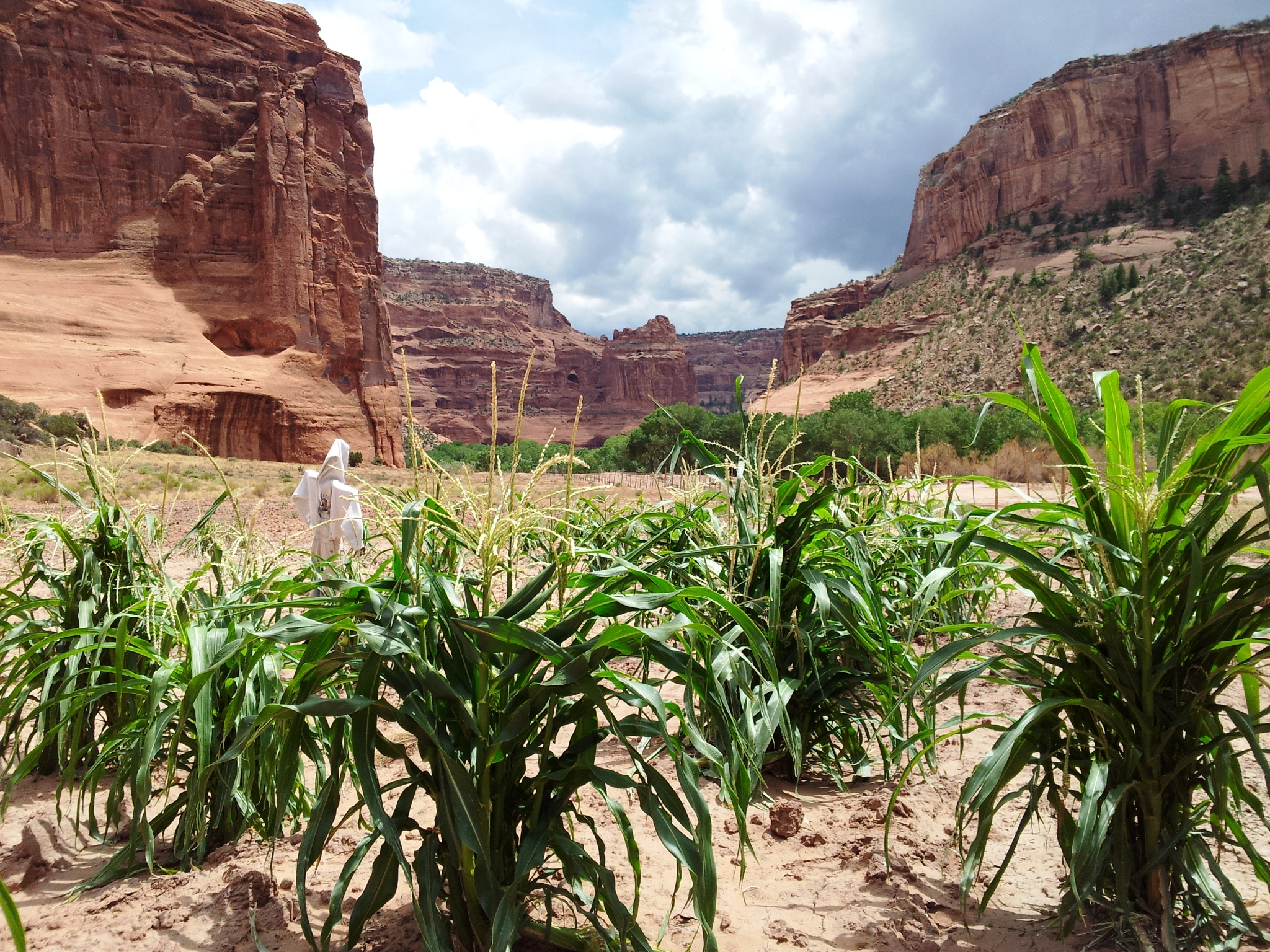
Canyon de Chelly National Monument
National Monument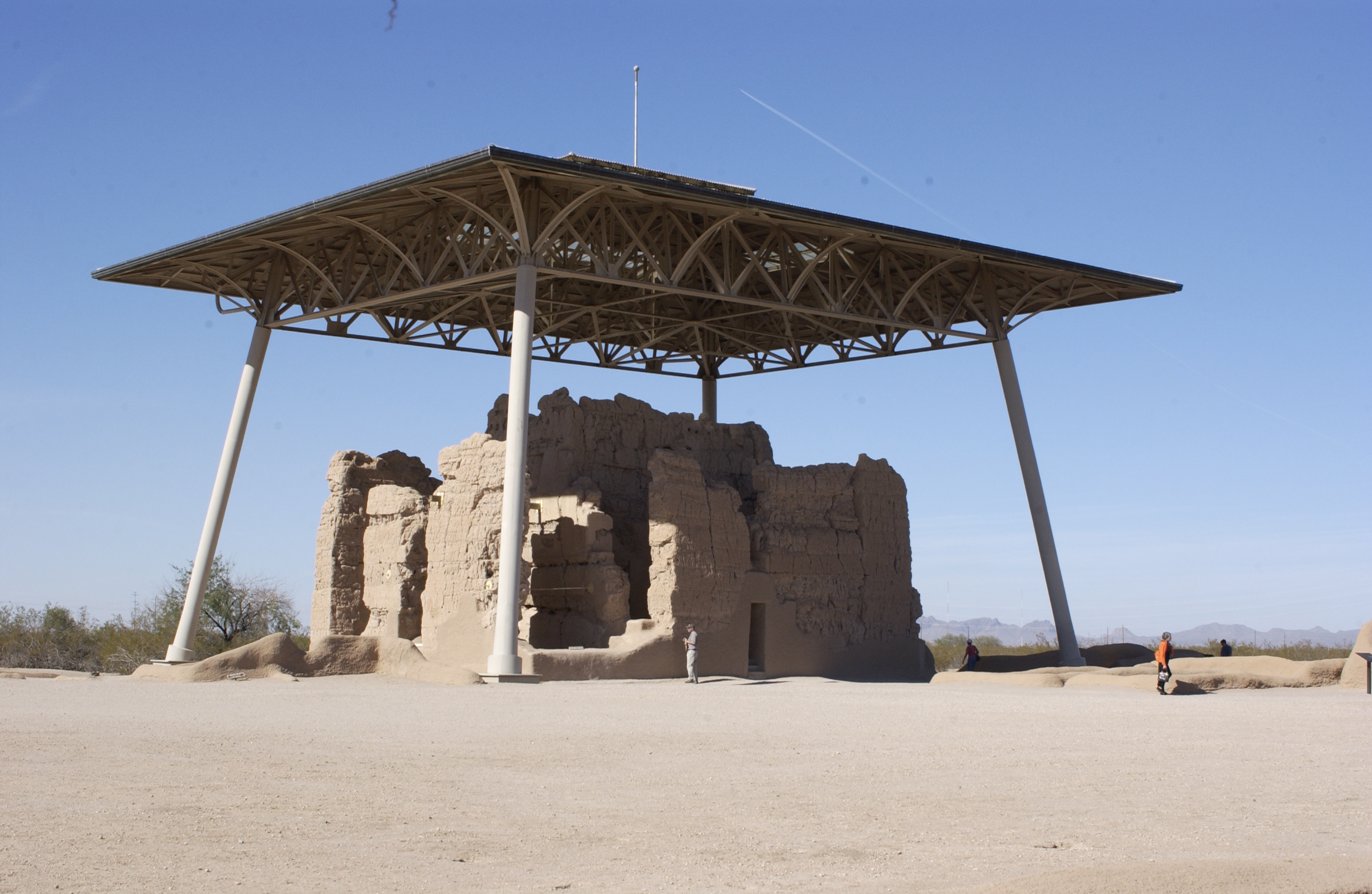
Casa Grande Ruins National Monument
National Monument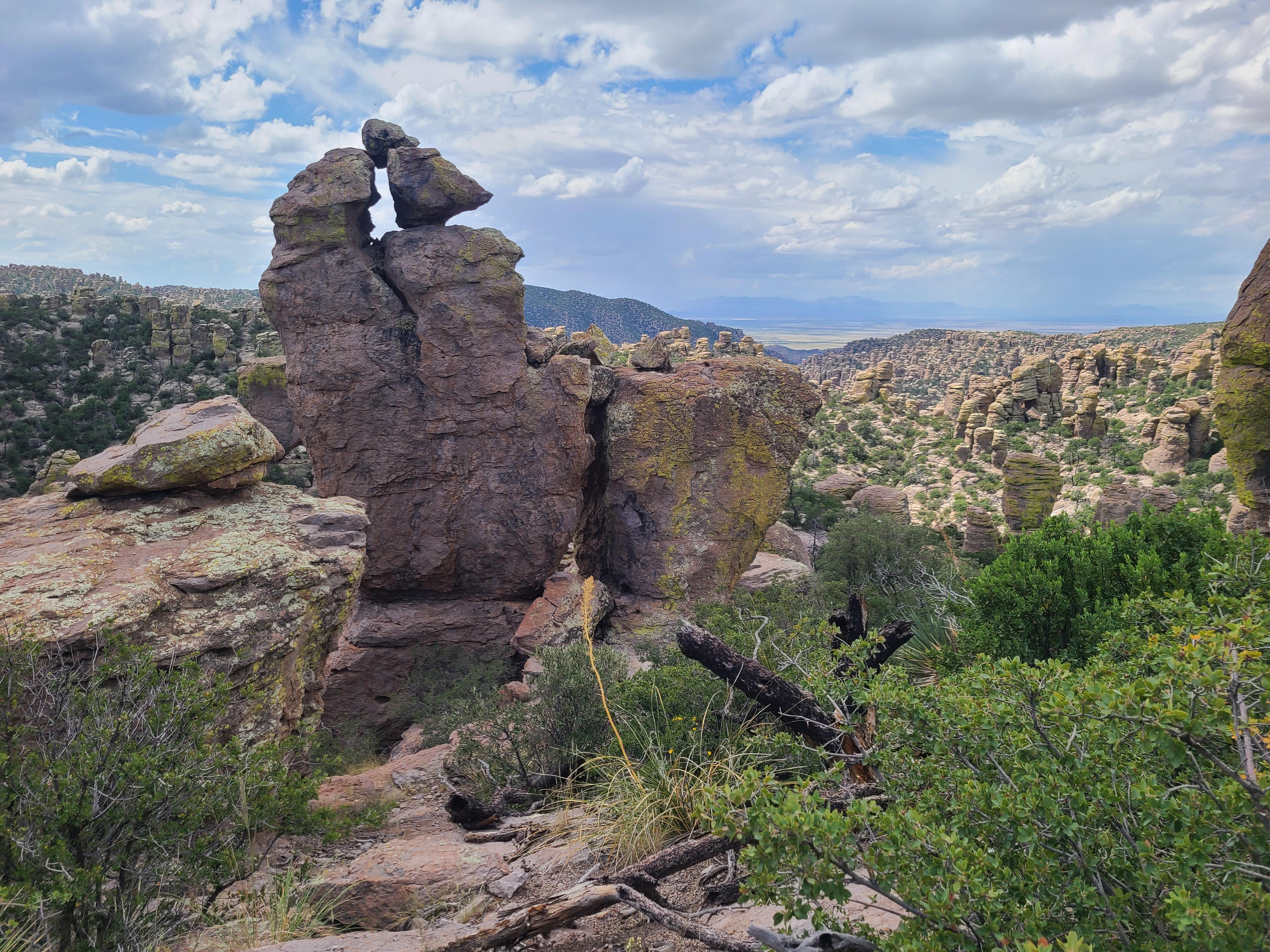
Chiricahua National Monument
National Monument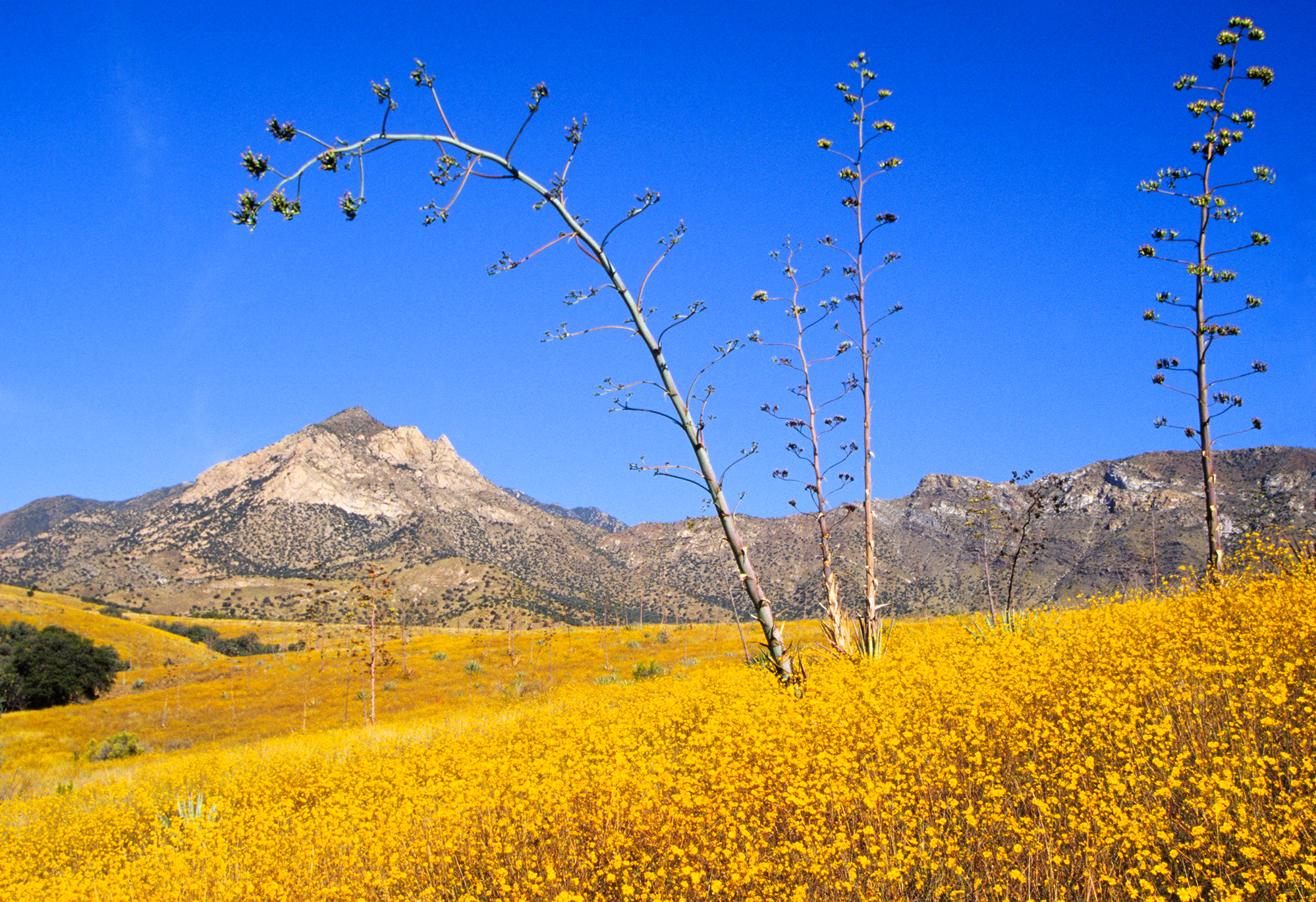
Coronado National Memorial
National Memorial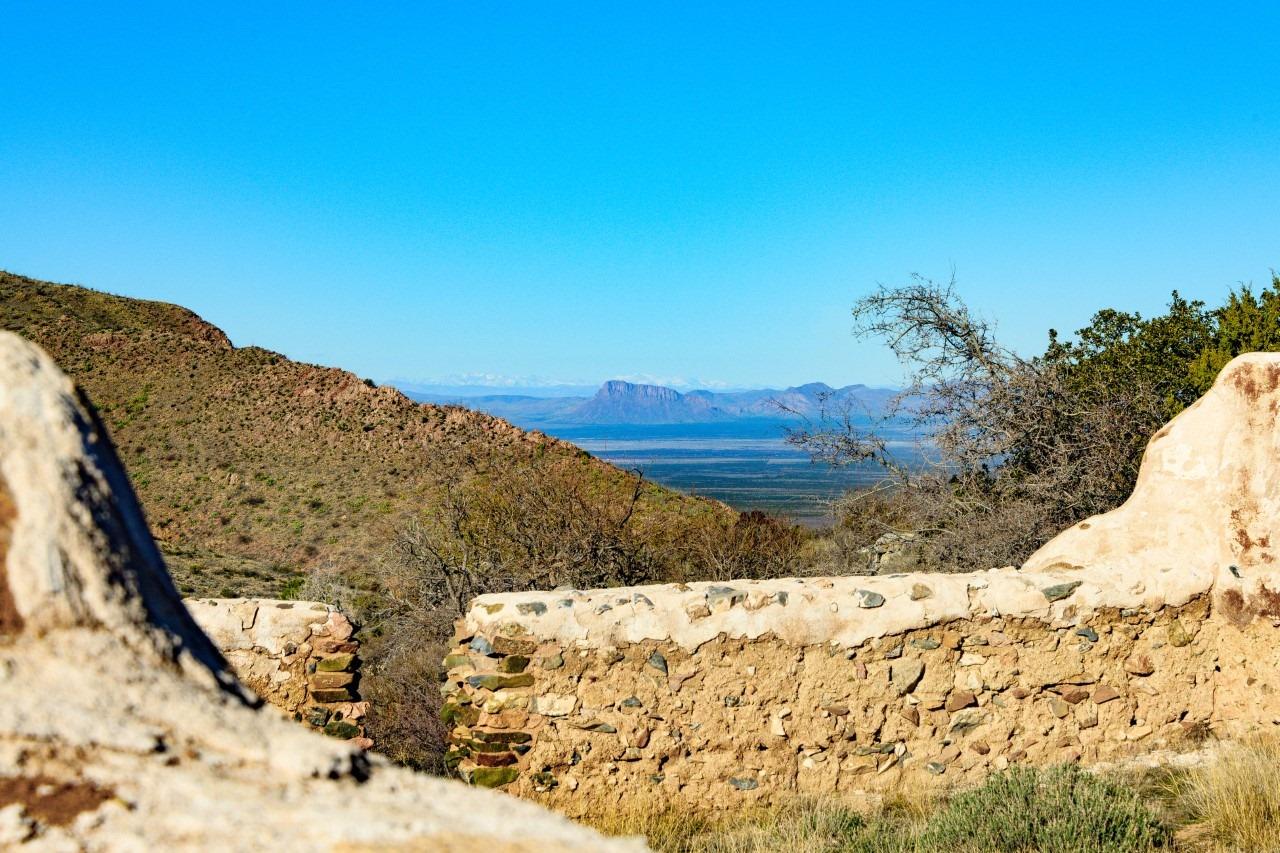
Fort Bowie National Historic Site
National Historic Site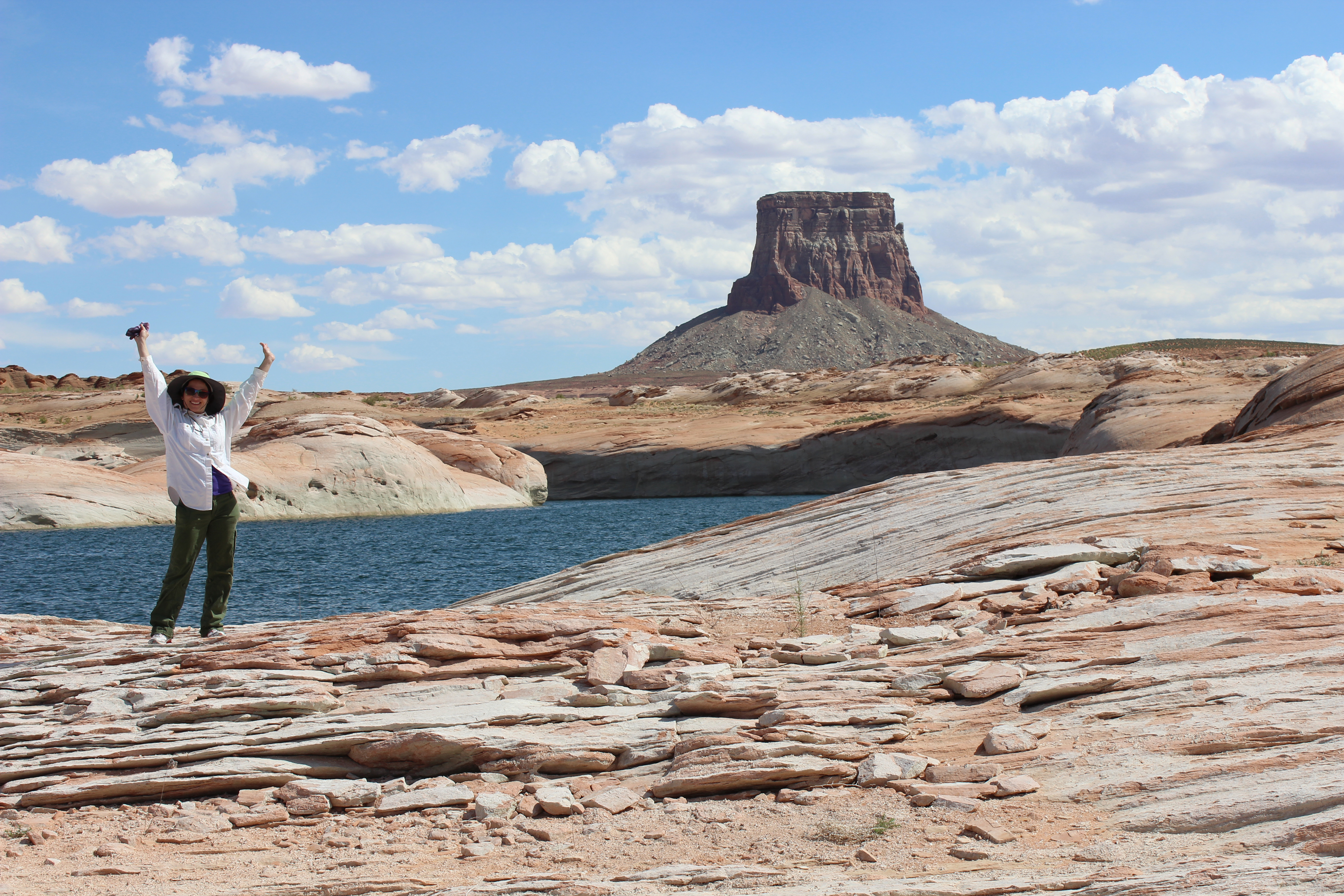
Glen Canyon National Recreation Area
National Recreation Area
Grand Canyon National Park
National Park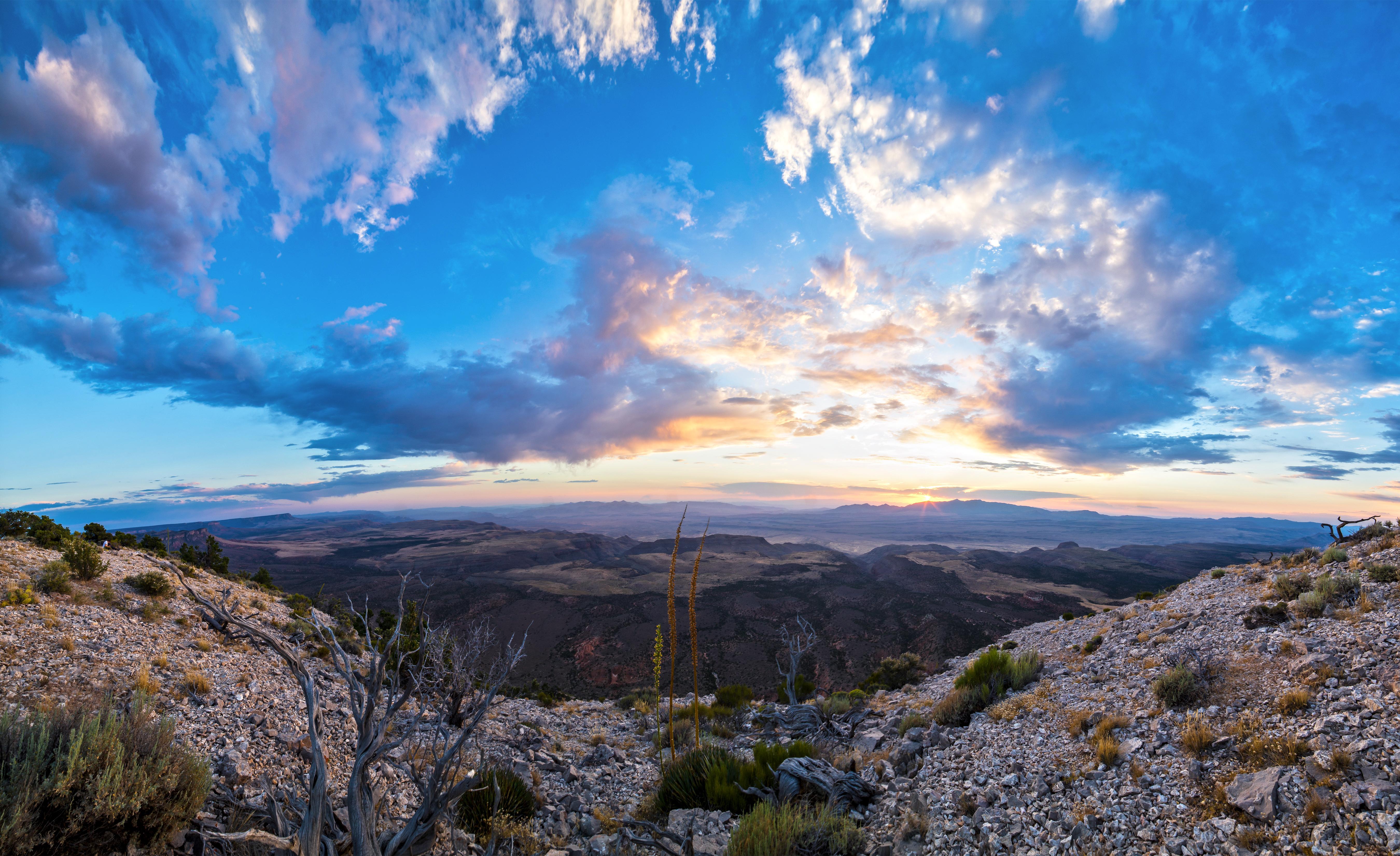
Grand Canyon-Parashant National Monument
National Monument
Hubbell Trading Post National Historic Site
National Historic Site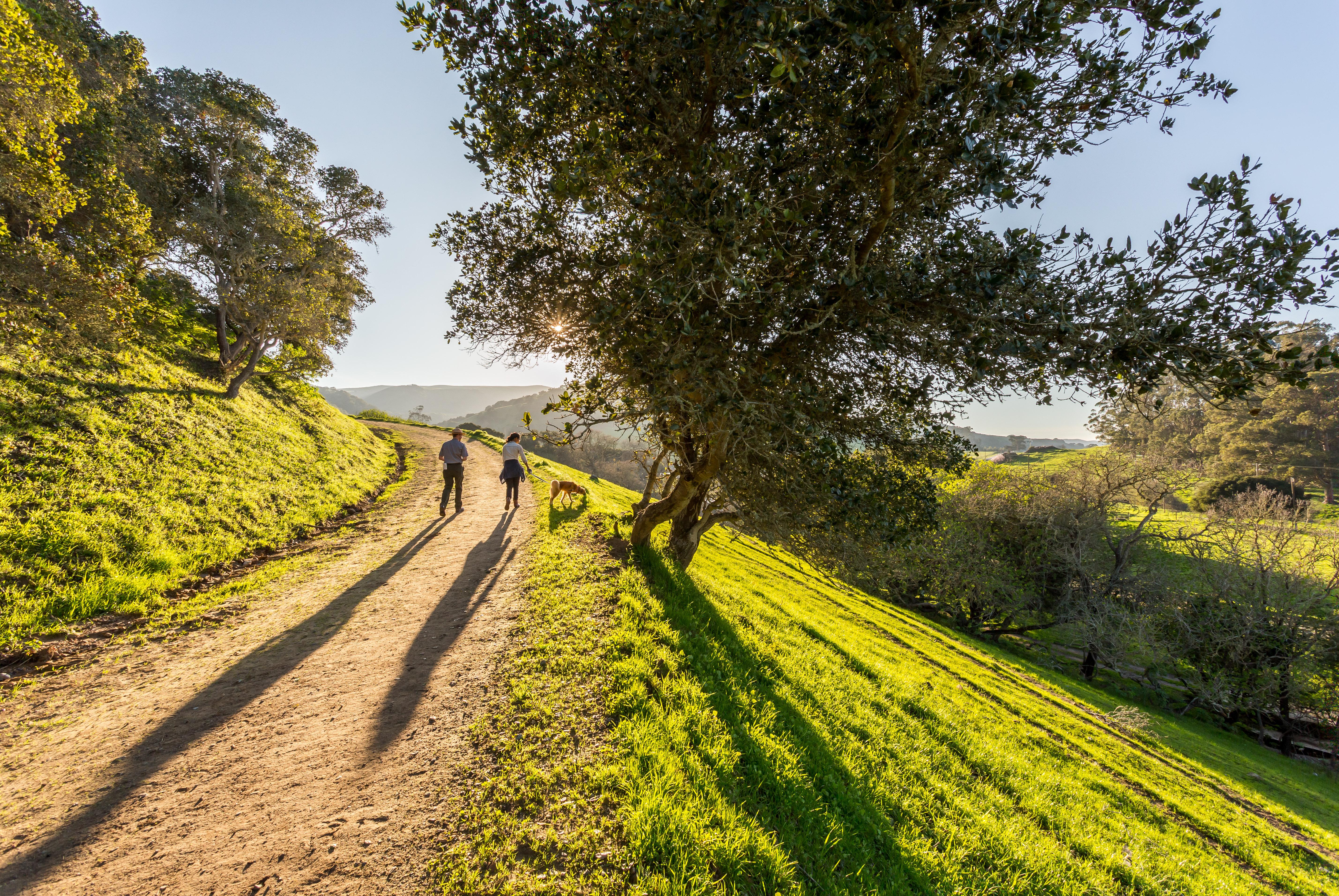
Juan Bautista de Anza National Historic Trail
National Historic Trail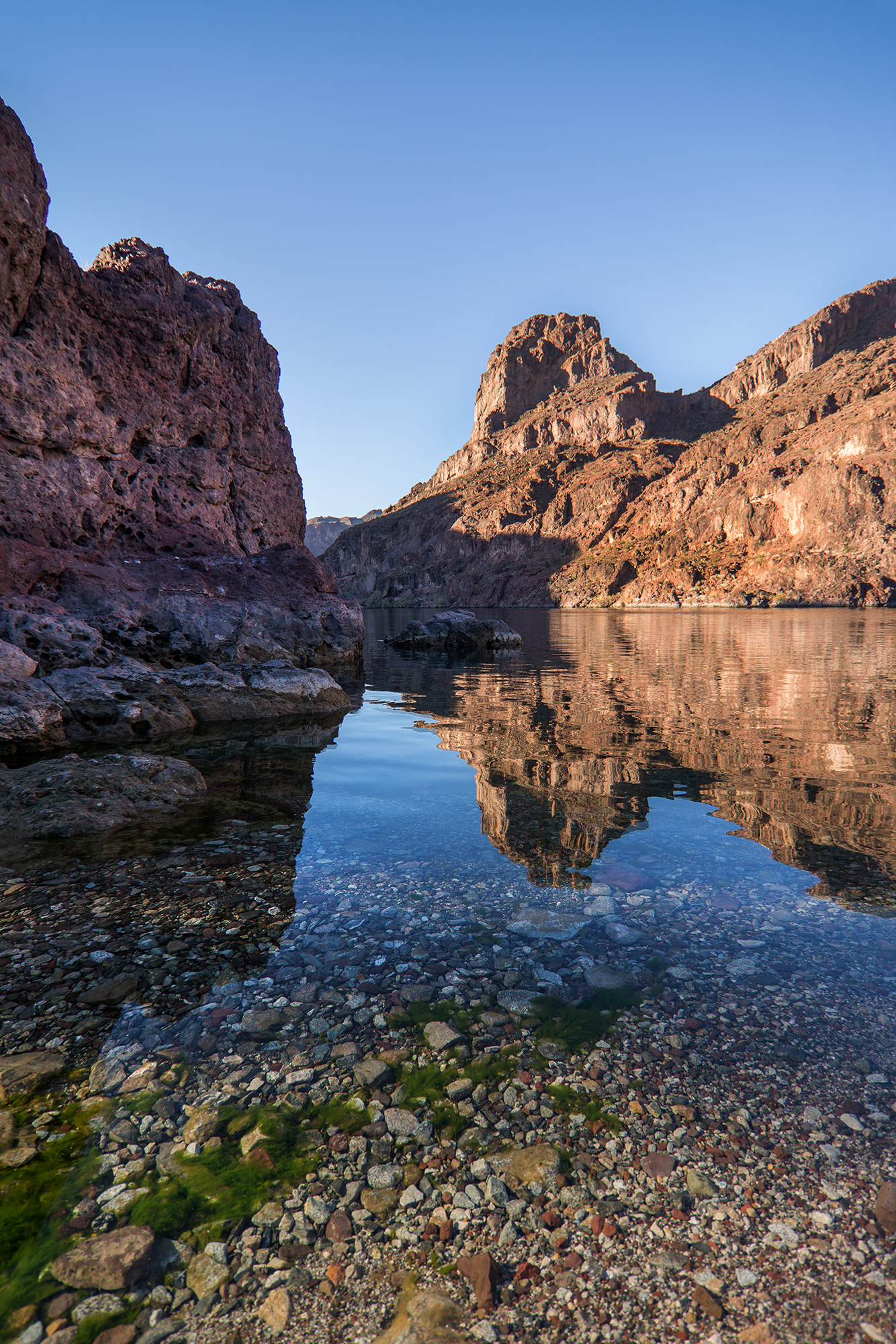
Lake Mead National Recreation Area
National Recreation AreaPlanning Your Arizona Parks Trip
Spring (March-May) and fall (September-November) offer ideal visiting conditions with moderate temperatures and reliable weather. Summer temperatures exceed 100°F in lower elevations, while winter brings snow to higher-elevation parks around Flagstaff. Most Arizona national parks cluster within 1-2 hours of Flagstaff, making it an excellent base for regional exploration. Phoenix and Tucson provide major airport access with rental car services. The America the Beautiful Annual Pass ($80) provides unlimited access to all national parks and monuments across the United States for one year—exceptional value for Arizona visitors planning to explore multiple sites. Plan minimum 2-3 days to experience the state's parks meaningfully, though 5-7 days allows deeper exploration. Visitor centers provide essential orientation and ranger programs enhance understanding of natural and cultural features.Guided Tours & Experiences in Arizona
We earn a commission if you make a purchase, at no additional cost to you.