Lake Clark National Park & Preserve

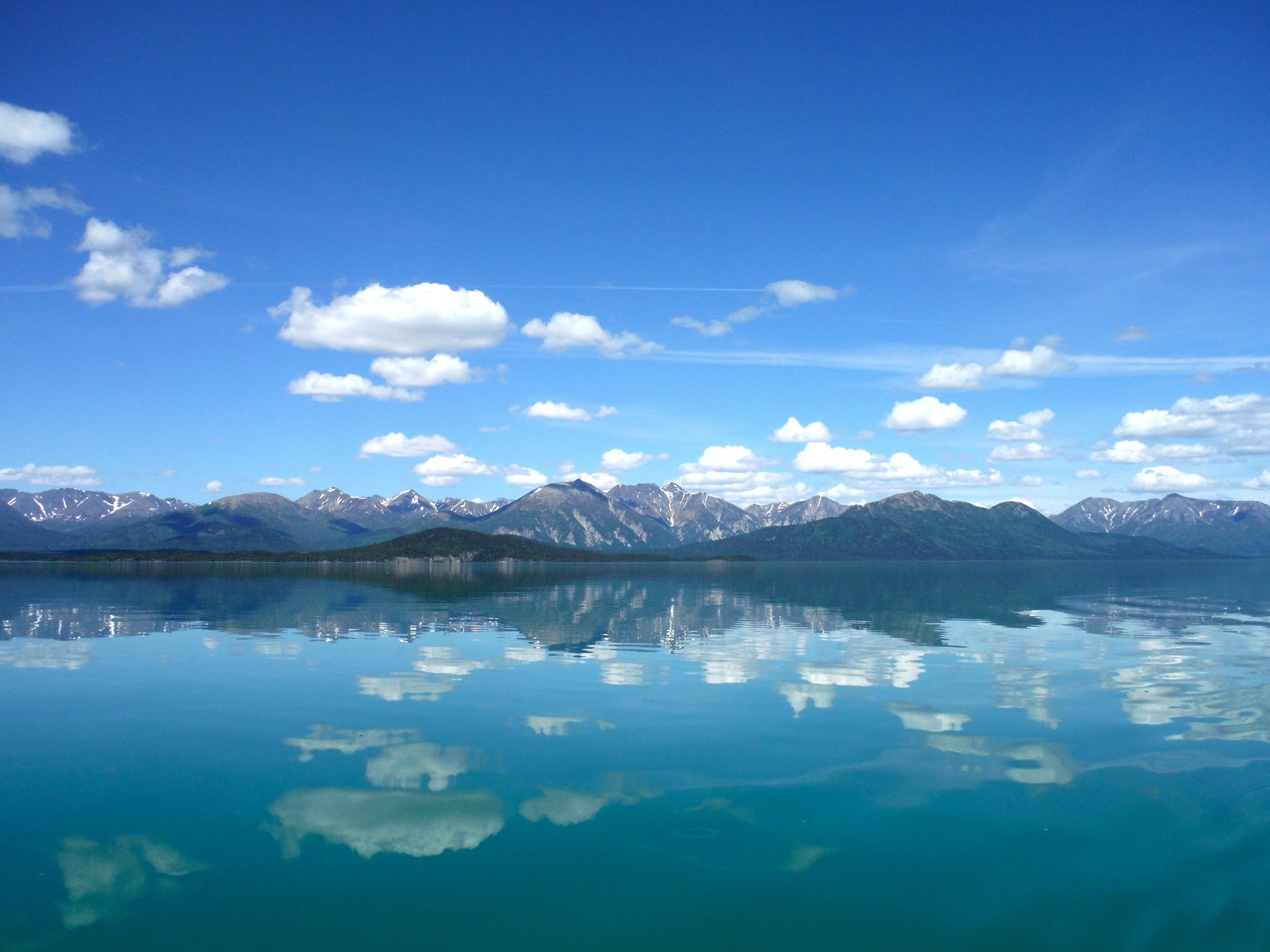
Photo of blue sky with fluffy white clouds reflect in calm lake with mountains in the background.
The park's namesake lake is the largest lake by volume in the National Park Service.
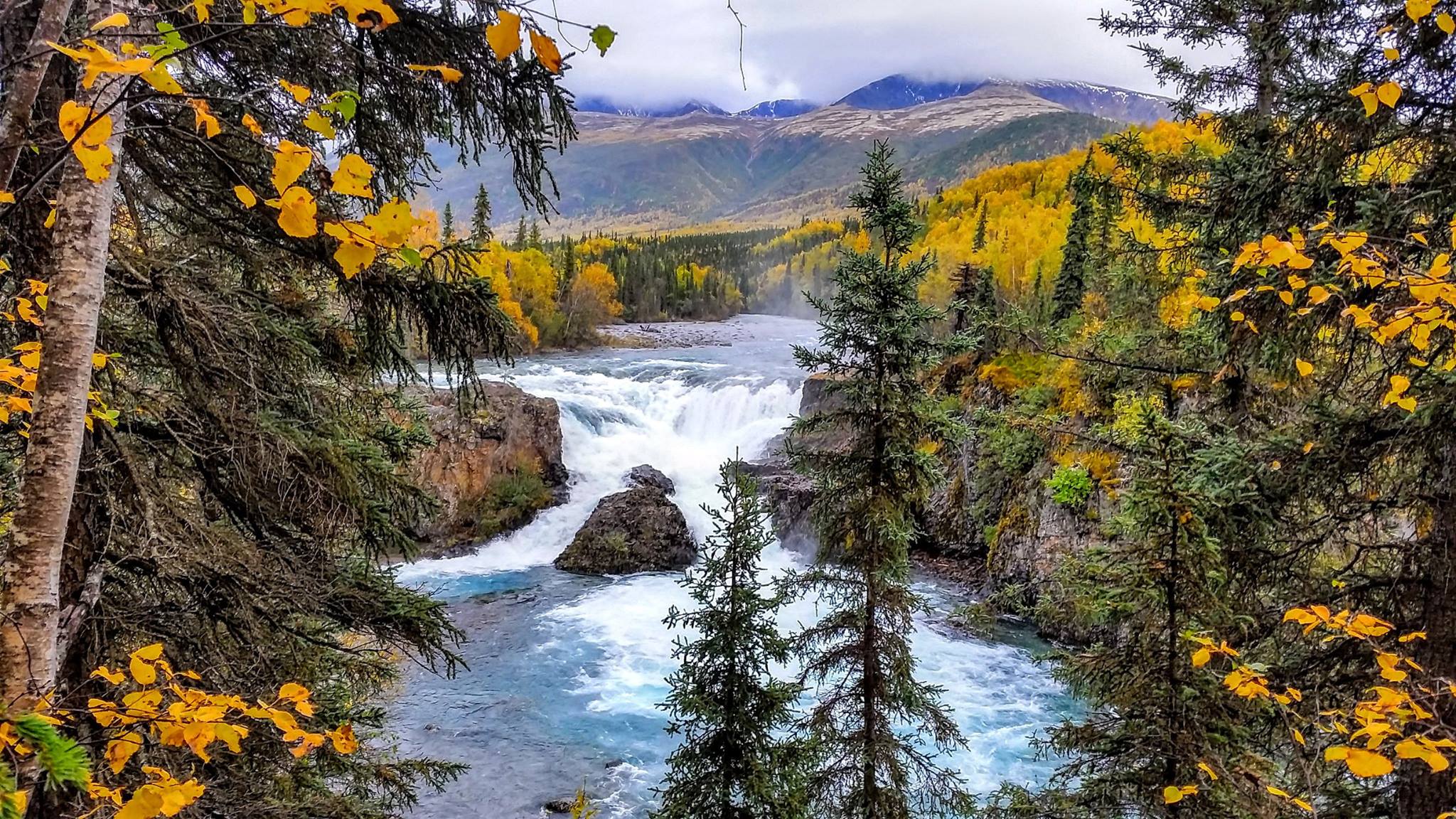
Waterfall surrounded by forest in fall foiliage and mountains in the background.
The park protects thousands of waterfalls including Tanalian Falls, which is a popular day hike destination from the town of Port Alsworth.
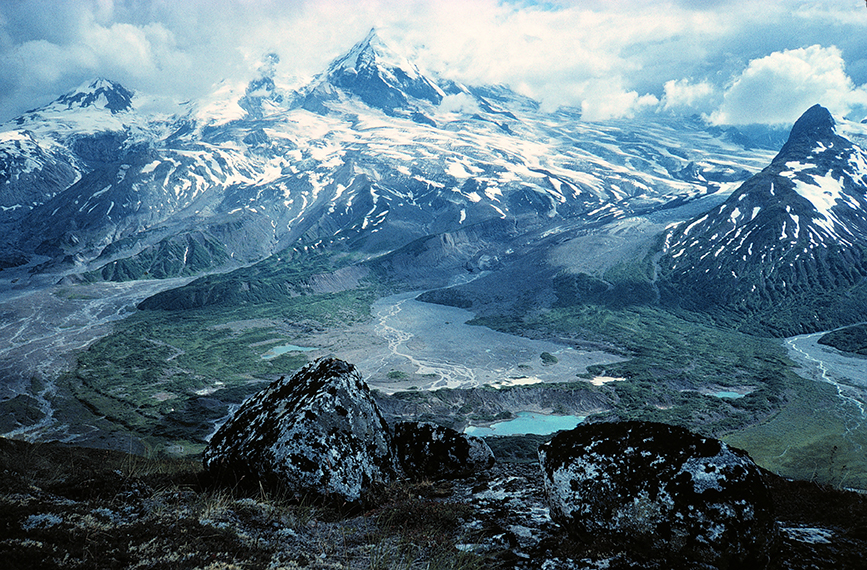
Photo of a stratovolcano flanked with glaciers towering over a river valley.
Lake Clark is a land of fire and ice. Active volcanism and retreating glaciers created and continue to shape the peaks, moraines, and river systems in the Chigmit and Neacola Mountains.
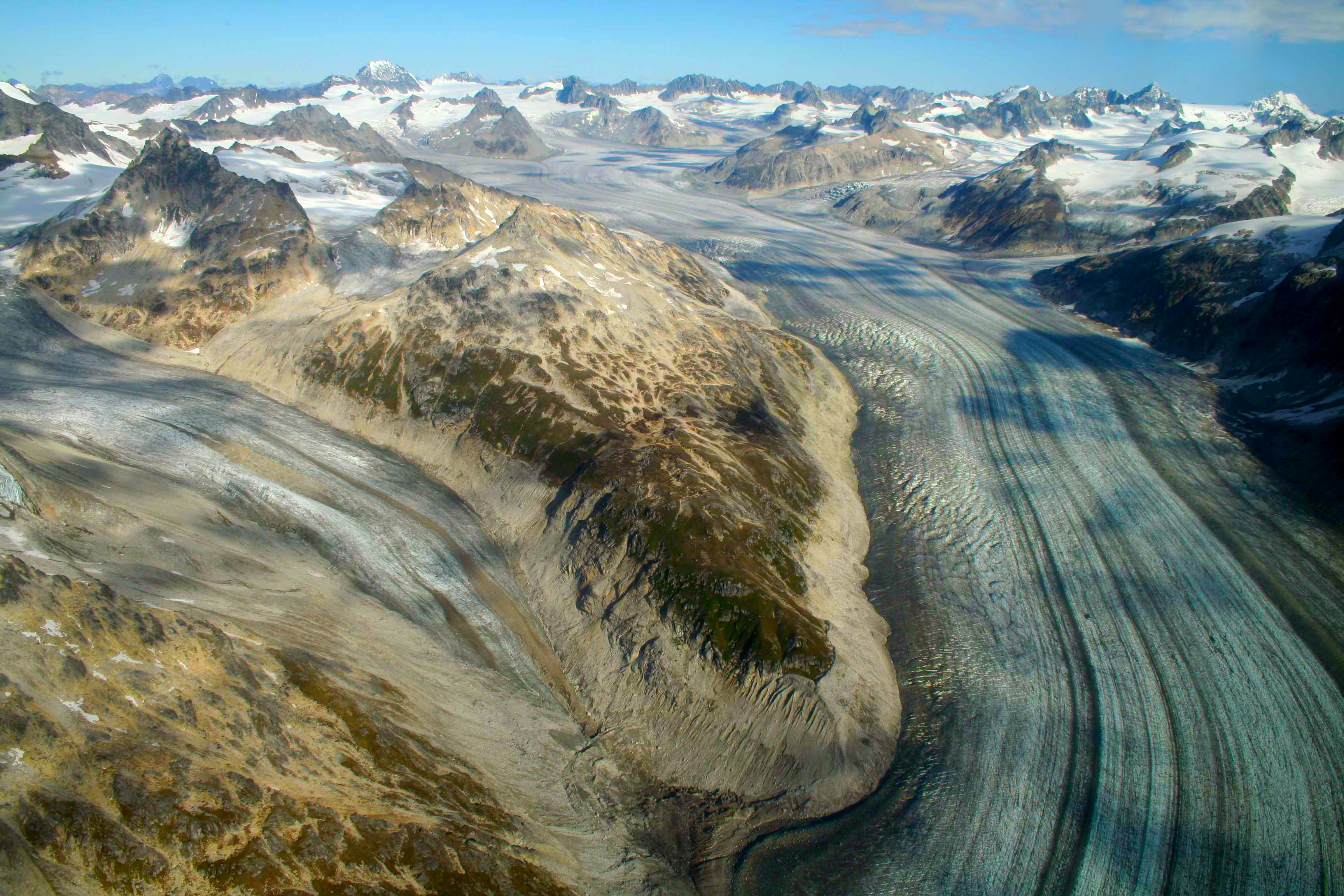
photo of large alpine glacier
Perenial snow and glacial ice covers ~1,250 square miles, or 20% of Lake Clark National Park and Preserve.
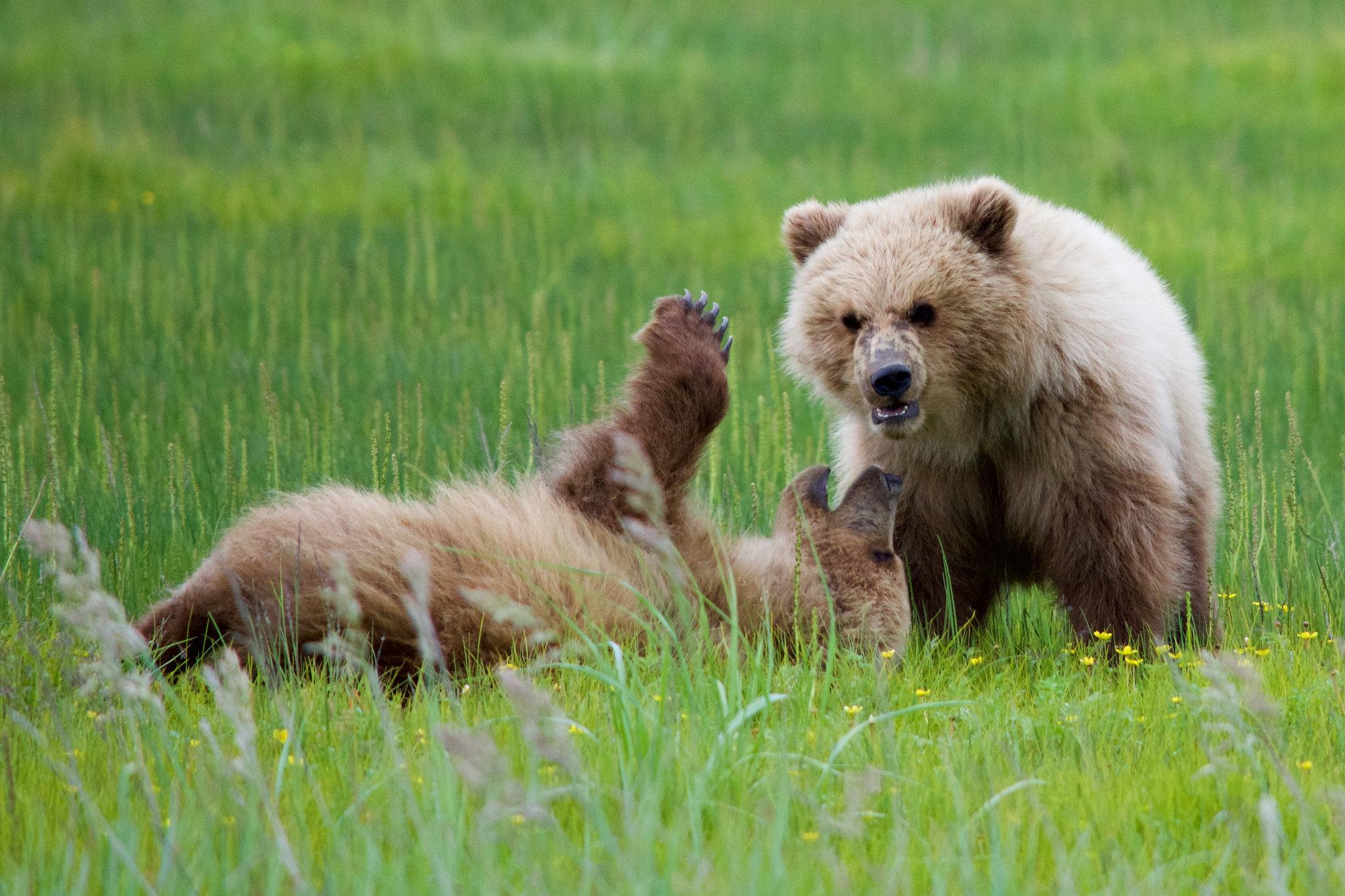
two brown bear cubs playing in the sedges
Bear viewing is a popular activity along the Cook Inlet Coast.
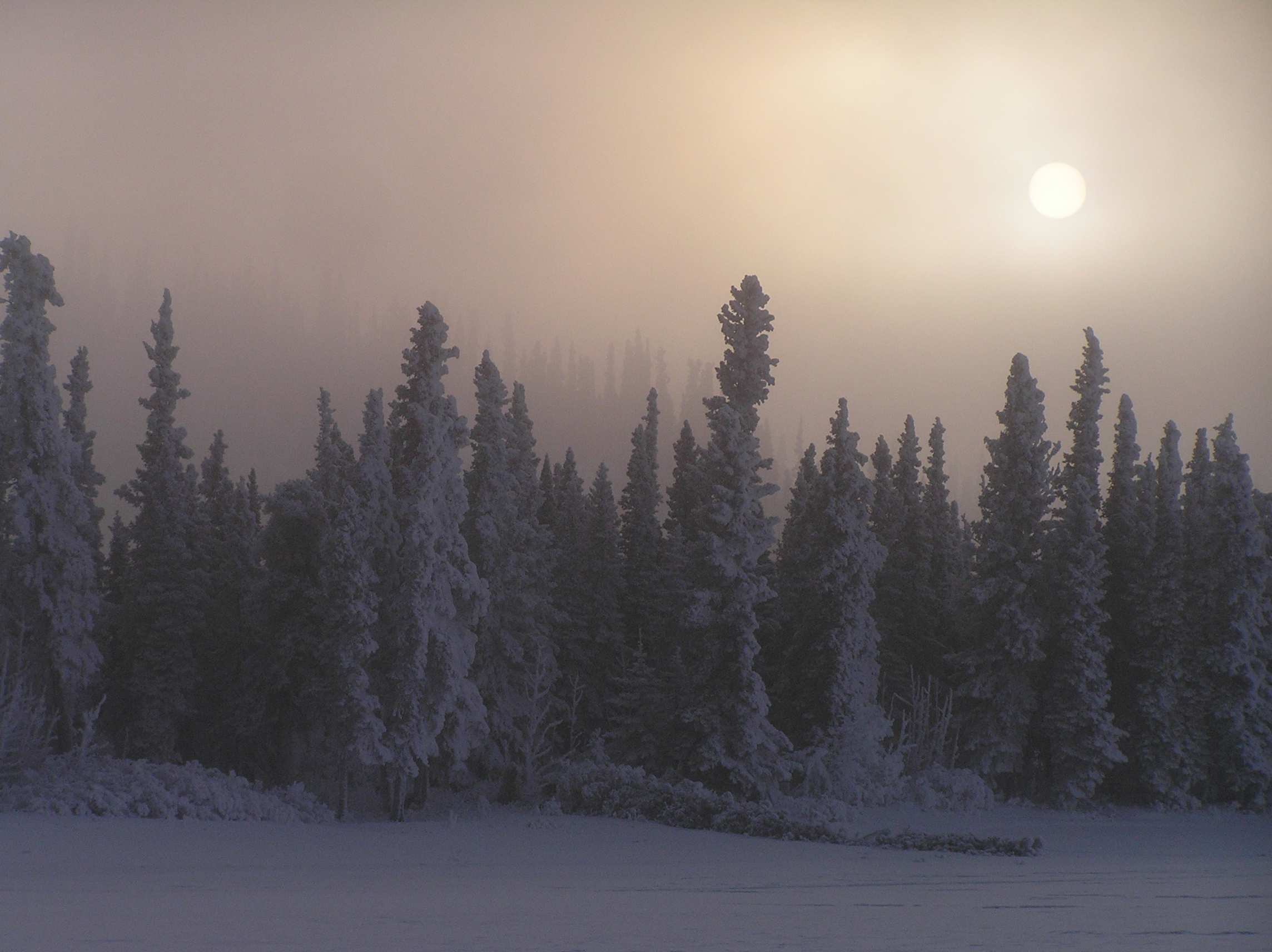
Forest of spruce trees blanketed in snow and fog.
Boreal forests encircle the earth's northern latitudes like an emerald necklace. Lake Clark's forest, which covers more than 440 thousand acres or 11% of the park, is dominated by white spruce mixed with black spruce and birch.
A colorful sky, an island with spruce trees, and mountains in the background reflect in a calm lake
A number of glacier fed lakes pepper the western boundary of the Chigmit and Neacola mountains like a string of spectacular turquoise gems.
Photo of a river delta flowing into tidal flats surrounded by green salt marshes and mountains.
Estuaries where rivers meet the sea provide a mosaic of rich habitats along the Cook Inlet Coast that support high numbers of bears and other wildlife.
Photo of a one story log cabin, cache, forest, and American flag reflecting in a calm, blue lake.
The park protects and interprets the Richard L. Proenneke National Historic Site and trail complex as a symbol of the national wilderness movement and a source of inspiration and solace sought out by visitors from throughout the world.
Photos: National Park Service

About Lake Clark National Park & Preserve

Lake Clark National Park and Preserve is a land of stunning beauty. Volcanoes steam, salmon run, bears forage, and craggy mountains reflect in shimmering turquoise lakes. Here, too, local people and culture still depend on the land and water. Venture into the park to become part of the wilderness.

Plan a Visit

NPS DesignationNational Park & Preserve
Park State / Territory MembershipAlaska
Current Alerts0
Visitor Centers1
Campgrounds1
Things To Do13

Core visitor information on this page is sourced from the National Park Service. NPD proximity sections use NPS reference coordinates and straight-line distance. Local source bundle updated Sep 27, 2026. View the official NPS page.

Weather & Conditions

Lake Clark has two distinct climate areas: the coast and the interior. The coast is wetter and experiences milder temperatures. The interior gets half to one fourth as much precipitation, but temperatures are hotter in summer and colder in winter. Frost and snow can occur any time parkwide, but are…

NPS Reference Location

Park state / territory membership: Alaska. This map uses the National Park Service reference coordinate. It may represent an administrative or reference point rather than a park entrance, trailhead, visitor center, or the nearest access point. Use the official NPS directions below when planning travel.

Operating Hours

The park and preserve are open 24 hours per day, seven days per week year round. However, visitor services are limited Labor Day through Memorial Day. Seasonal and temporary closures are listed by location on the Operating Hours & Seasons page.

FridayAll Day
MondayAll Day
SaturdayAll Day
SundayAll Day
ThursdayAll Day
TuesdayAll Day
WednesdayAll Day

Activities

AstronomyStargazingBikingBoatingMotorized BoatingCampingBackcountry CampingCanoe or Kayak CampingClimbingMountain ClimbingCompass and GPSOrienteeringFishingFreshwater FishingFly FishingFlying

Getting There

Lake Clark is located on the Alaska Peninsula southwest of Anchorage and north of Katmai National Park. It is not on the road system; therefore, in order to get here you must travel either via plane or by boat. A one to two-hour flight from Anchorage, Kenai, or Homer will provide access to most points within Lake Clark. Fixed-wing aircraft are allowed to land on all suitable lakes, rivers, beaches, gravel bars, and open ground in both the park and preserve unless the area is closed or otherwise restricted.

View Official Directions

Contact & Address

The NPS-listed address may be an administrative office, visitor center, mailing/contact location, or other park facility rather than a park entrance.

NPS-Listed Address1 Park Place, Port Alsworth, AK, 99653

Topics & Themes

ArcheologyArtsPhotographyAviationExplorers and ExpeditionsFarming and AgricultureIndustryMiningNative American HeritageAnimalsBirdsFishWolvesArcticTundraClimate Change

Things To Do

Flight Seeing at Lake Clark

Flight Seeing at Lake Clark

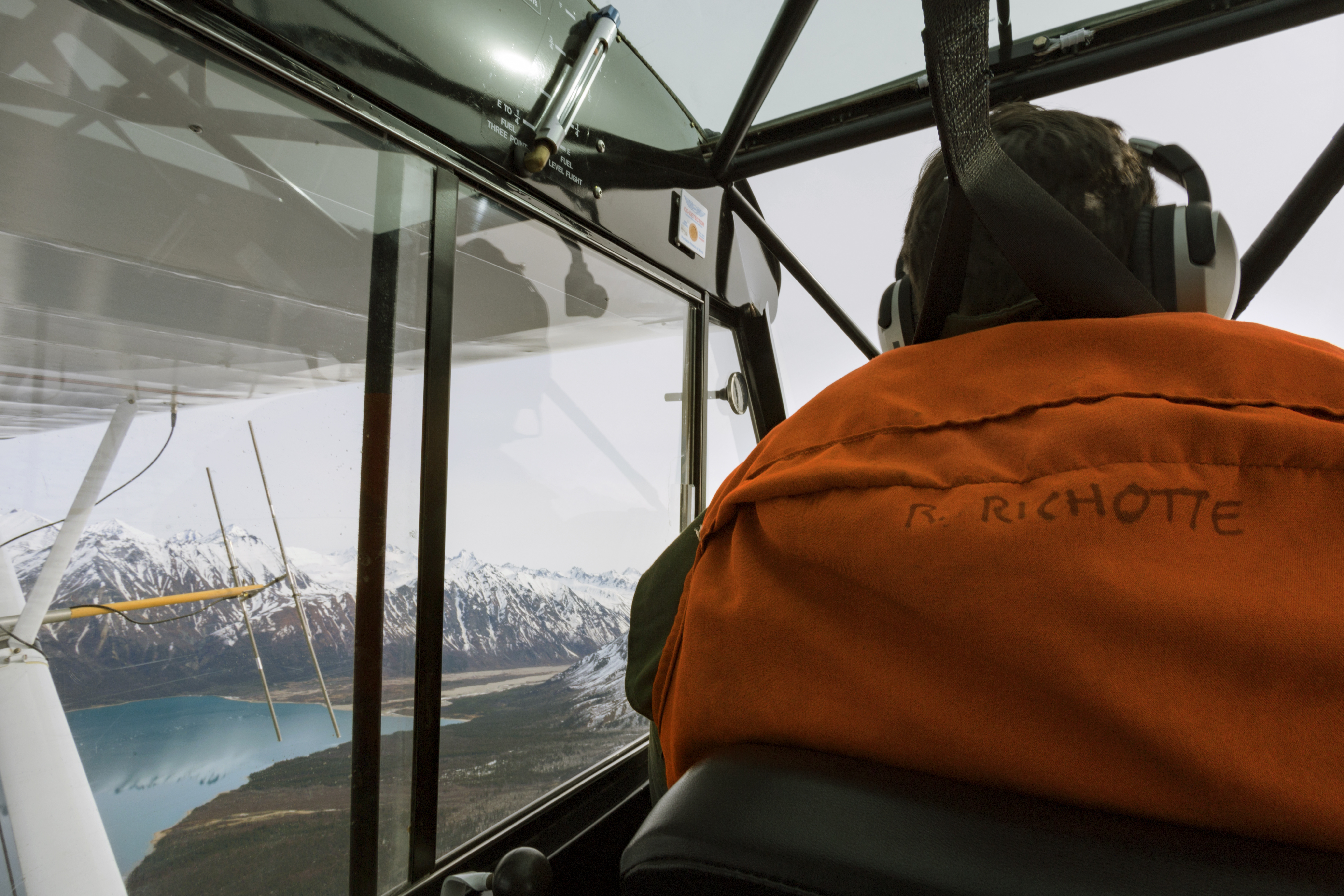
Discover safely from a bird’s eye view. Volcanoes, coastline, mountain ranges, tundra, lakes, rivers, wildlife, and more! What will you…
Remote Base Camping

Remote Base Camping

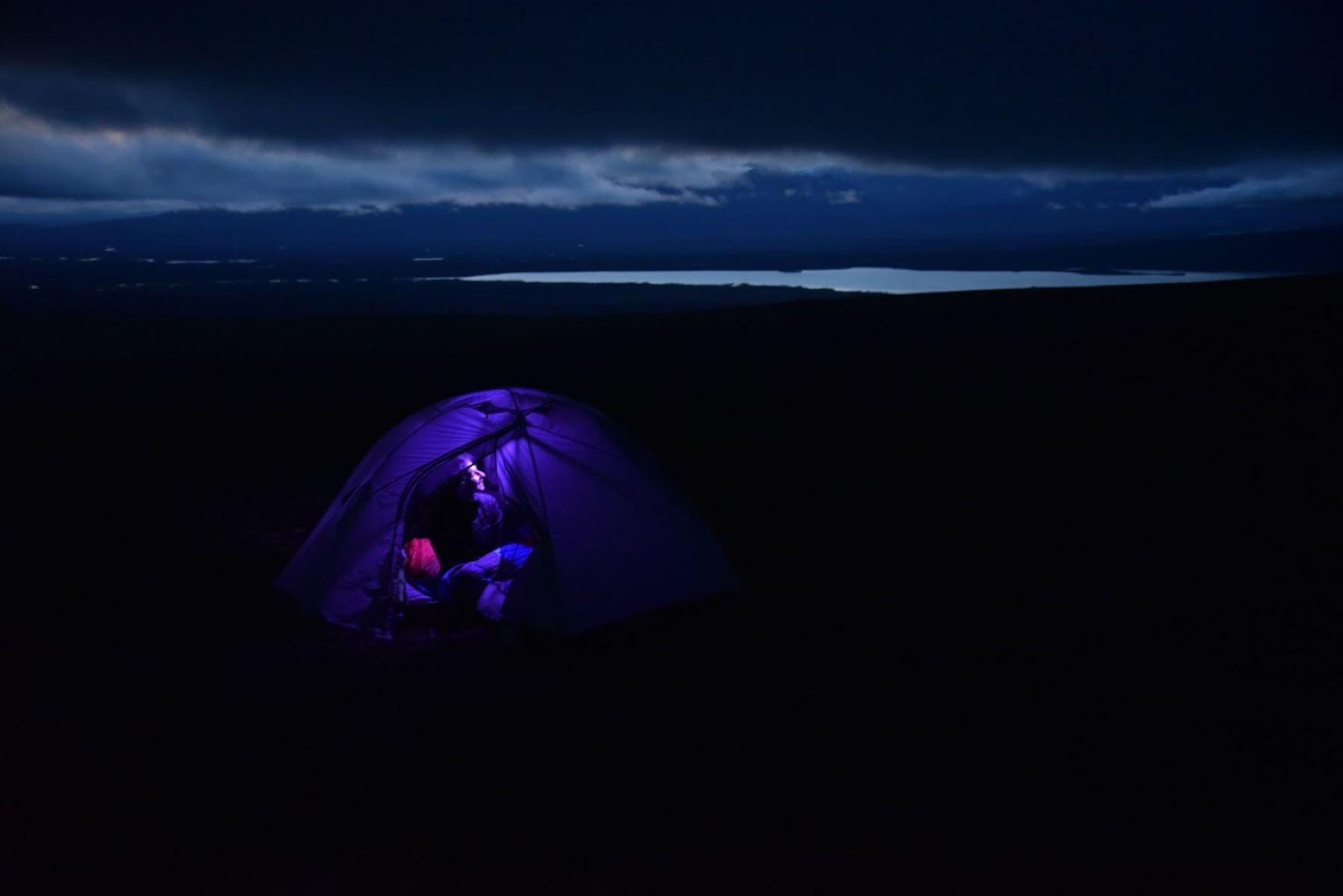
A camping trip into Lake Clark's trail-less wilderness can be a spectacular and rewarding experience. Thorough preparation and careful trip…
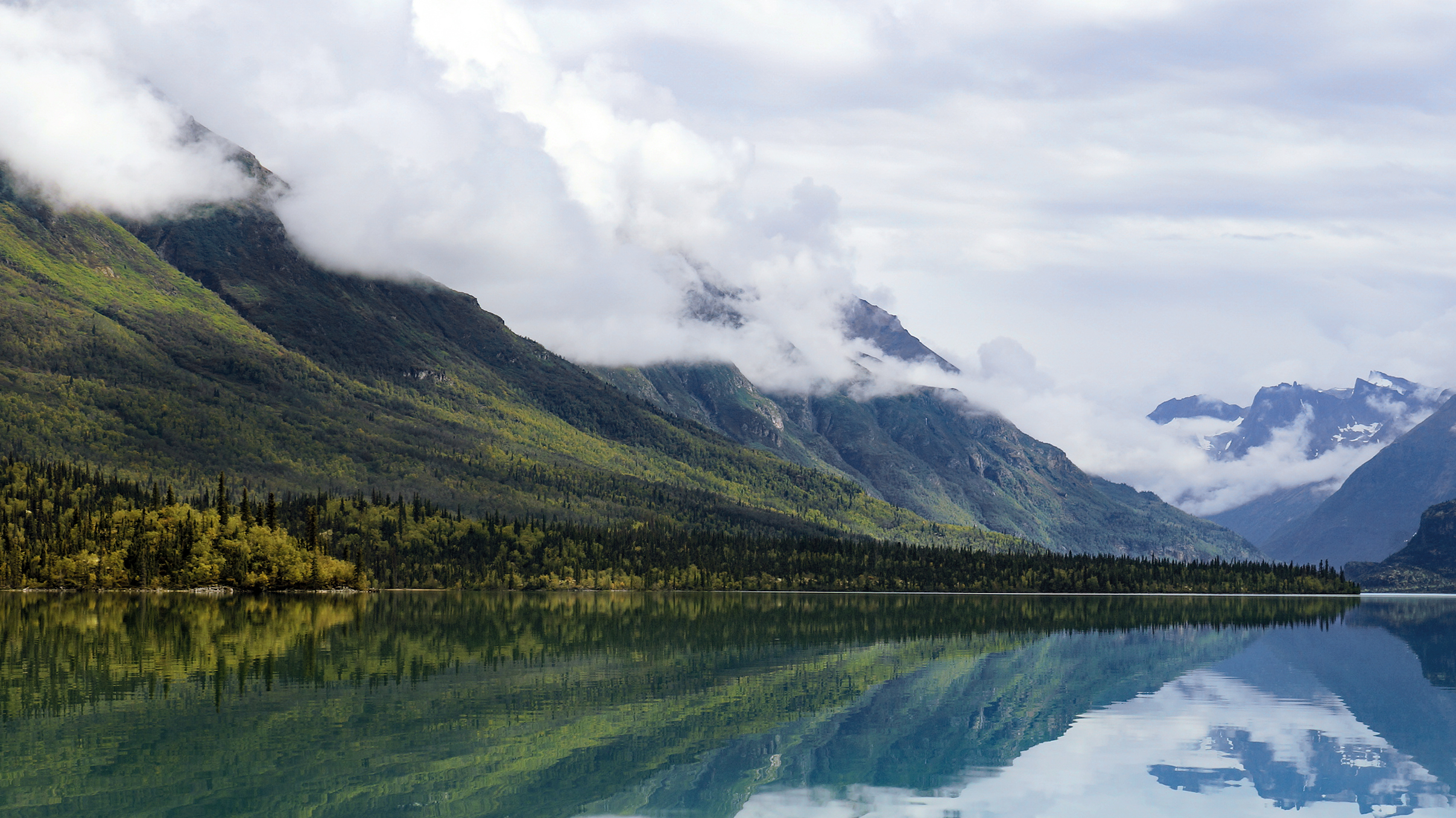
Camp at Kontrashibuna Lake

Camp at Kontrashibuna Lake

Pack up and journey out to the wilderness. Lay in your tent listening to a lone wolf's howl. Stand in…
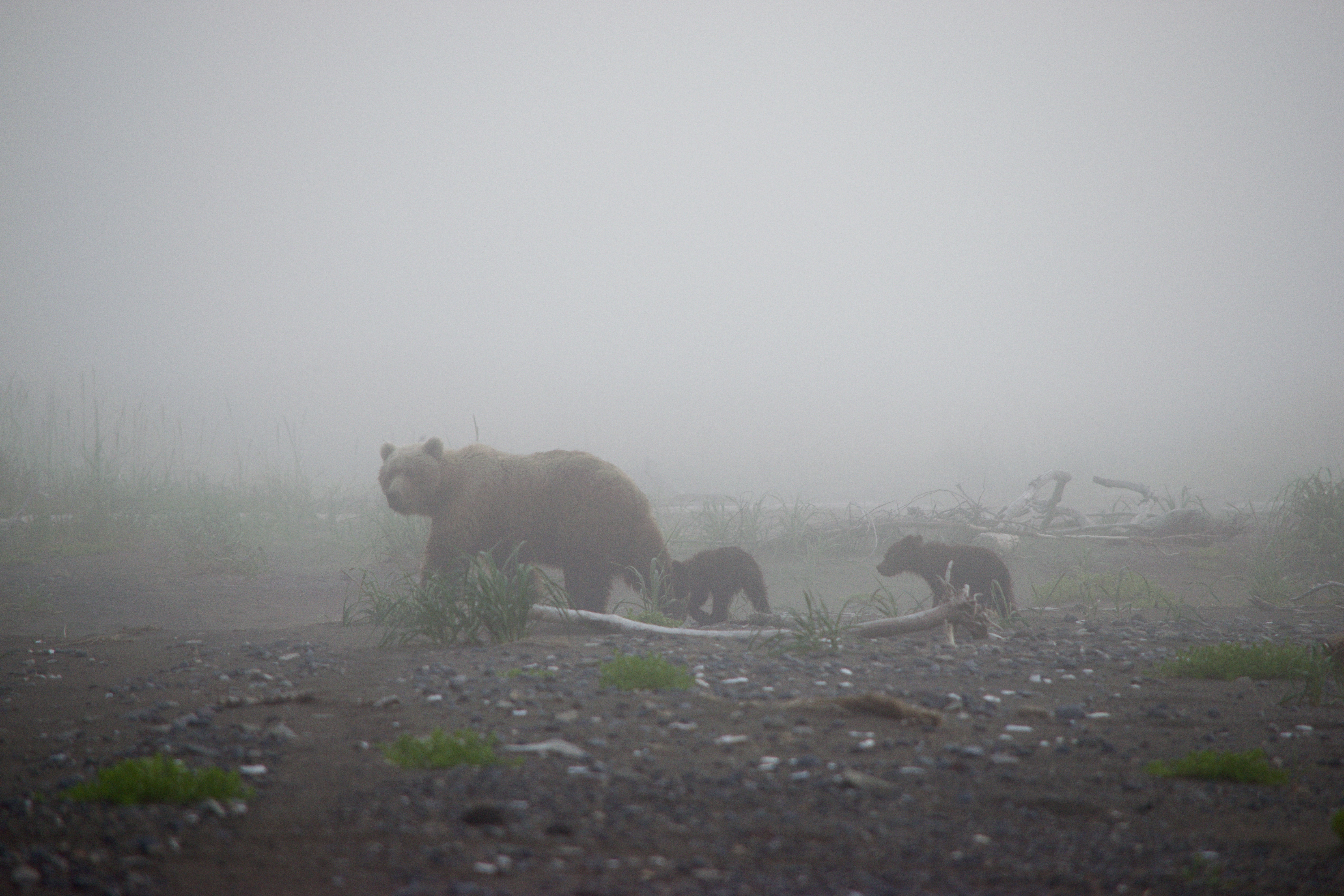
Fly-In Bear Viewing Along the West Cook Inlet Coast

Fly-In Bear Viewing Along the West Cook Inlet Coast