
National Parks in Alabama
Explore 11 national parks and historic sites across Alabama. Visit parks in 10 cities including Tupelo, Tuskegee, and 8 more. Discover the natural wonders and cultural heritage preserved in this remarkable state.
11
Park Sites
10
Cities
7
Park Types
Alabama's national parks preserve pivotal chapters in American history and showcase the state's natural heritage across 11 distinct sites. From the inspiring legacy of the Tuskegee Airmen National Historic Site to the solemn remembrance at the Tuskegee Institute National Historic Site, these destinations tell stories of courage, innovation, and resilience. The state's park system encompasses three national monuments, two national historic sites, two national historic trails, one parkway, and one national scenic trail, offering visitors multiple ways to engage with Alabama's past.
The Selma to Montgomery National Historic Trail and Trail of Tears National Historic Trail document transformative moments in civil rights and Native American history, while the natural beauty of Alabama national parks provides serene settings for reflection and exploration. Whether traversing historic pathways or standing at sites where extraordinary individuals overcame tremendous obstacles, visitors encounter authentic narratives that shaped the nation. Alabama's national parks represent more than scenic destinations—they are classrooms, memorials, and celebrations of human achievement that continue to educate and inspire millions of visitors annually.
Types of Parks in Alabama
National Monument (3)
National Historic Site (2)
National Historic Trail (2)
Parkway (1)
National Scenic Trail (1)
National Preserve (1)
National Military Park (1)
Why Visit Alabama National Parks
Alabama national parks distinguish themselves through their deep historical significance and educational mission. The Tuskegee sites offer unparalleled insight into African American aviation pioneers and excellence in education during segregation. These parks feature exceptional museums, restored historic buildings, and ranger-led programs that bring history to life through personal narratives and artifacts. The state's historic trails provide immersive experiences—walking the Selma to Montgomery route allows visitors to follow the exact path of the 1965 voting rights marches. Alabama's parks combine rigorous historical scholarship with accessible interpretation, making complex history understandable for all ages. The diversity of Alabama national parks means visitors can experience multiple dimensions of American heritage in a single trip, from civil rights history to Native American removal to aviation achievements, creating a comprehensive understanding of forces that shaped modern America.All National Parks in Alabama

Birmingham Civil Rights National Monument
National Monument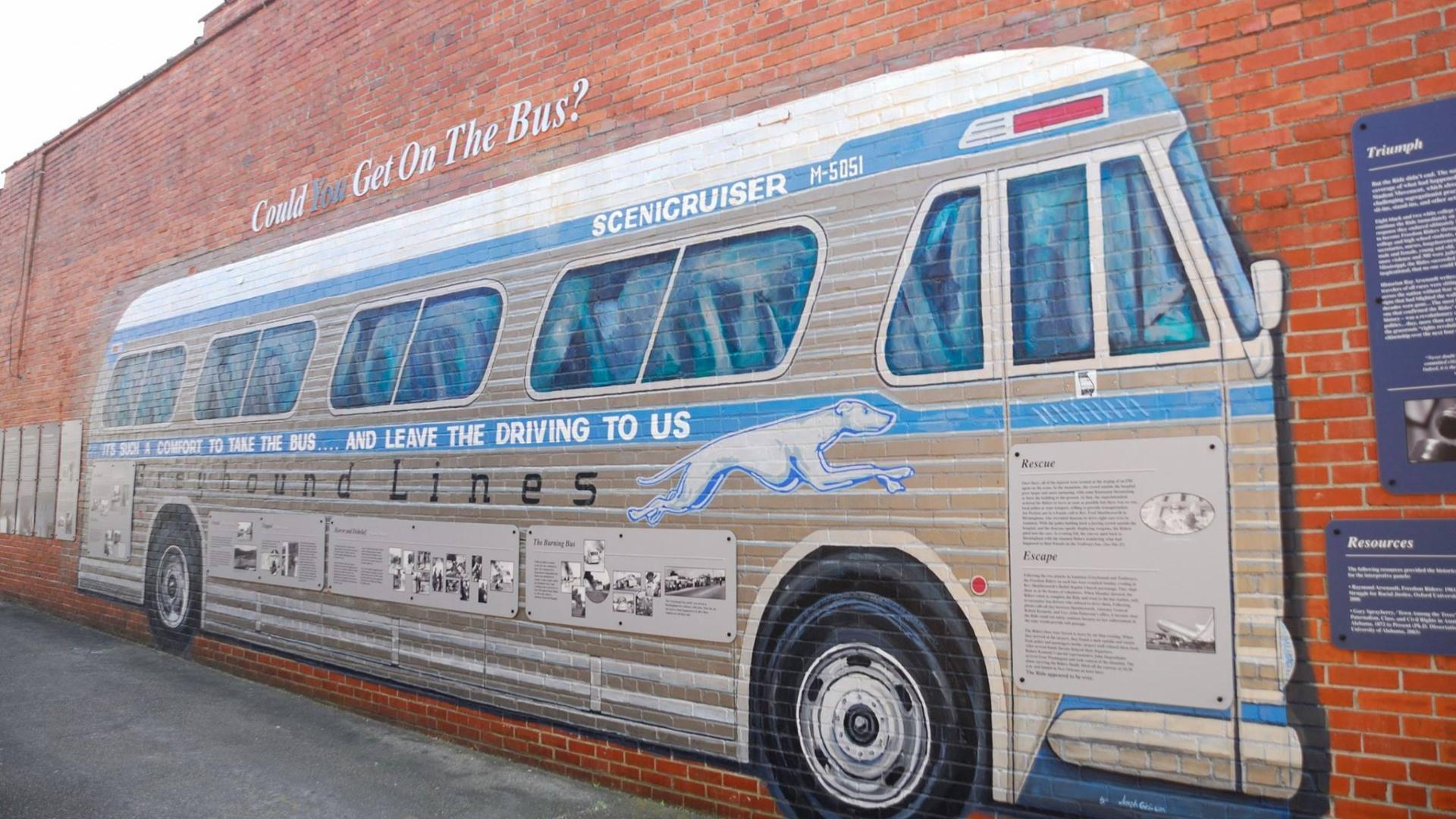
Freedom Riders National Monument
National Monument
Horseshoe Bend National Military Park
National Military Park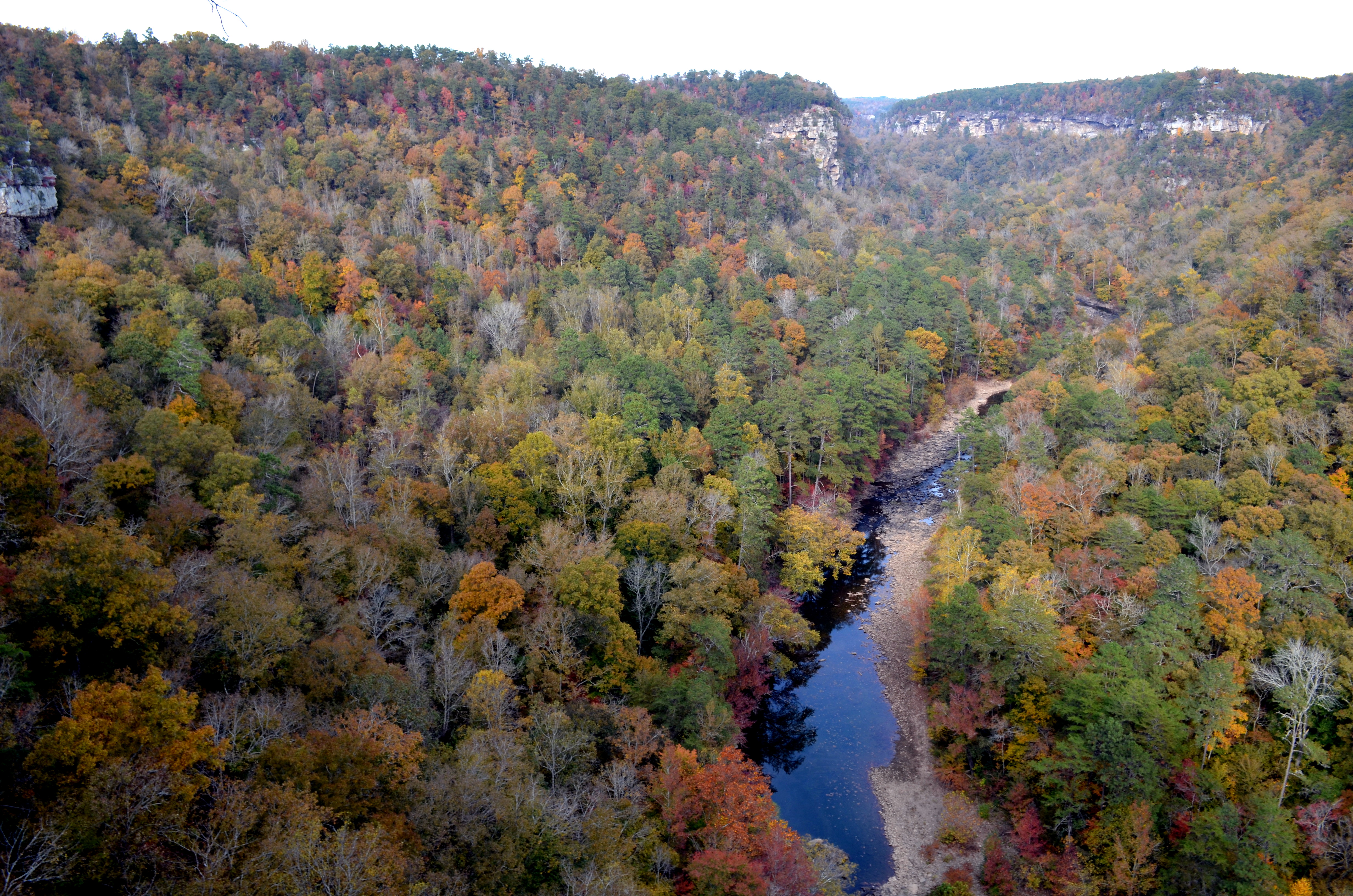
Little River Canyon National Preserve
National Preserve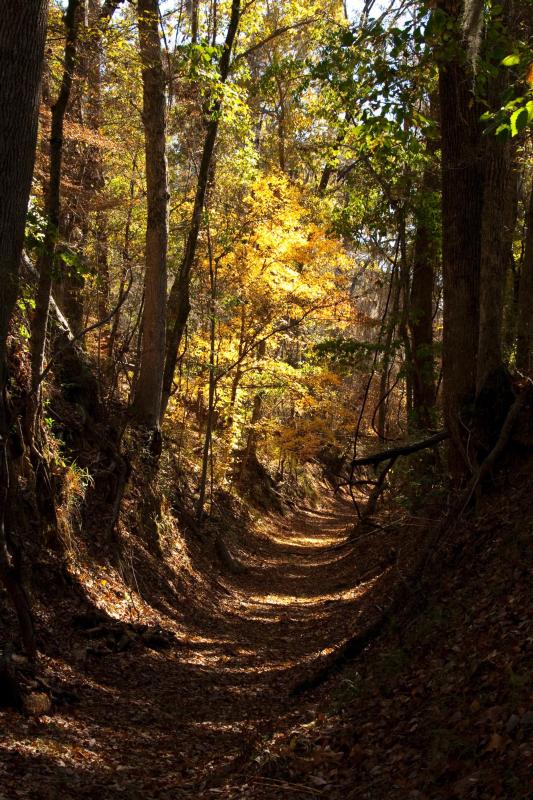
Natchez Trace National Scenic Trail
National Scenic Trail
Natchez Trace Parkway
Parkway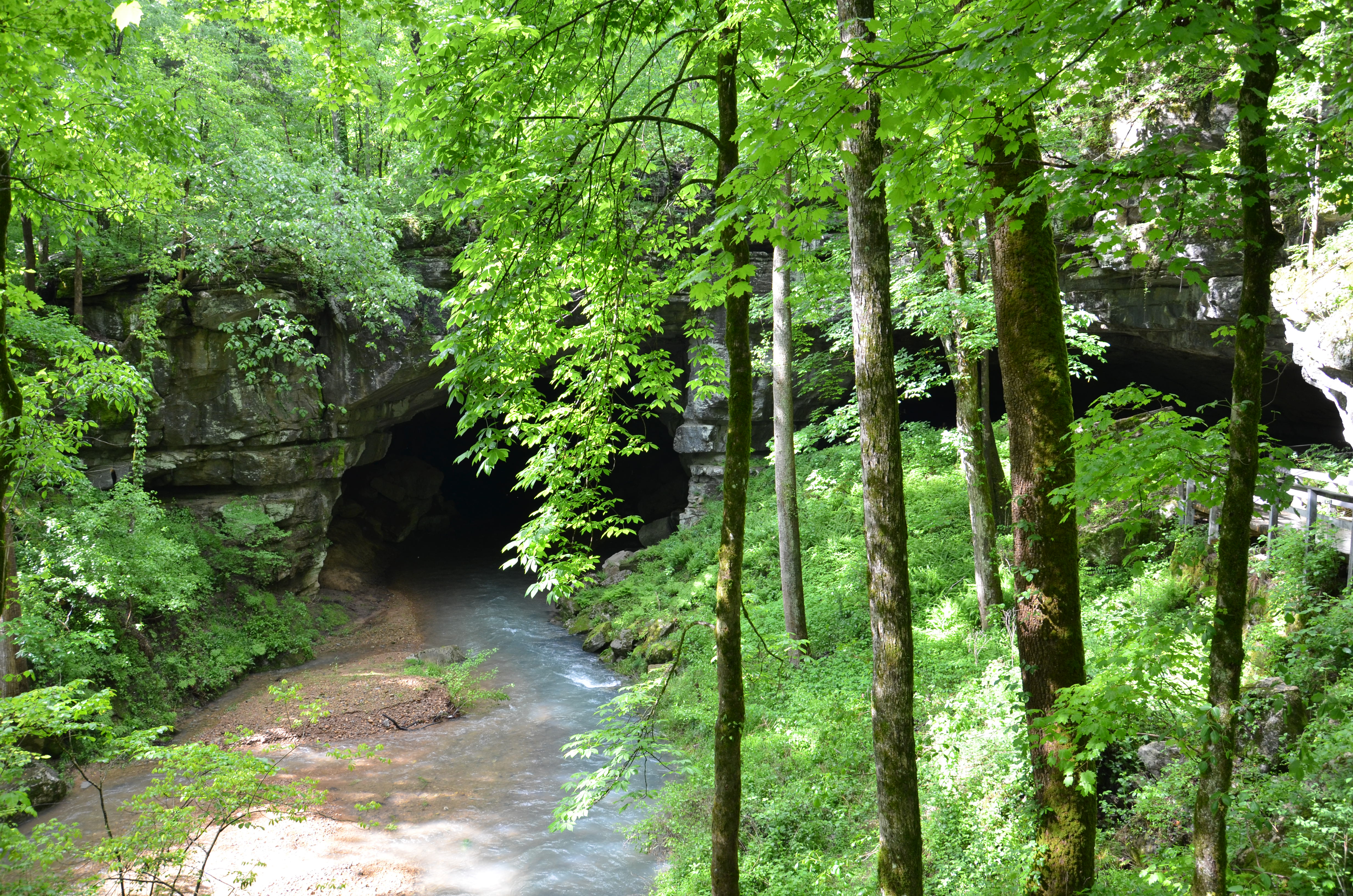
Russell Cave National Monument
National Monument
Selma To Montgomery National Historic Trail
National Historic Trail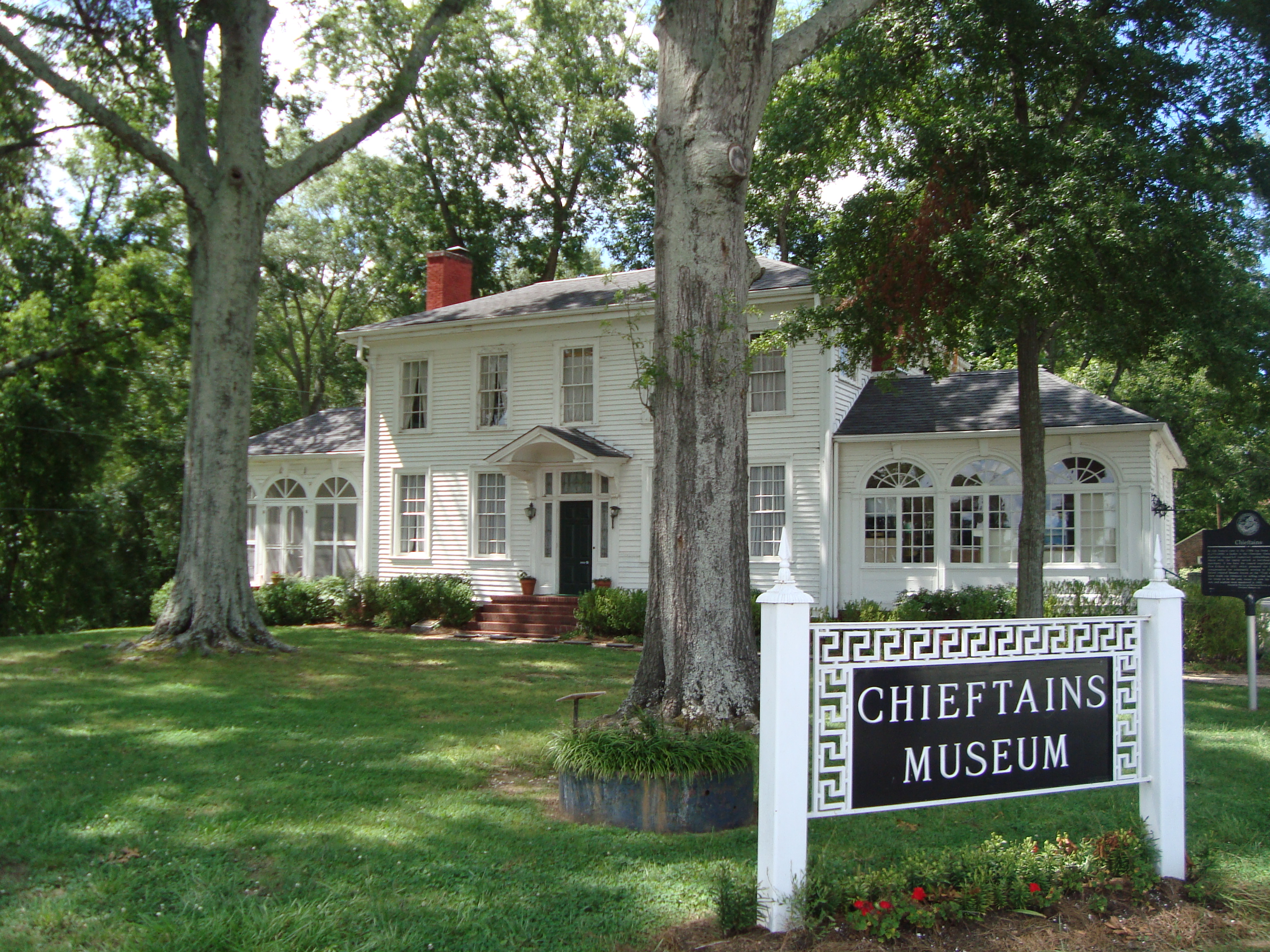
Trail Of Tears National Historic Trail
National Historic Trail
Tuskegee Airmen National Historic Site
National Historic Site
Tuskegee Institute National Historic Site
National Historic SitePlanning Your Alabama Parks Trip
The ideal time to visit Alabama national parks is fall and spring, when moderate temperatures make outdoor exploration comfortable. Most sites are accessible year-round, though indoor facilities may have seasonal variations. Major nearby cities include Montgomery, Birmingham, and Tuskegee, with most parks located within an hour's drive of regional hubs. Planning visits is straightforward—many Alabama national parks offer free admission, while others charge modest entrance fees. The America the Beautiful Pass ($80 annually) provides unlimited access to all national park sites nationwide, offering excellent value for visitors planning multiple stops. Check individual park websites for ranger program schedules, as many offer guided tours and special events that enhance the experience. Allow at least a full day for each major site to fully appreciate museums and historic grounds. Most parks provide ample parking and visitor facilities, with some offering picnic areas and walking trails.Guided Tours & Experiences in Alabama
We earn a commission if you make a purchase, at no additional cost to you.