

About Harriet Tubman National Historical Park
Harriet Tubman was guided by a deep faith and devotion to family, freedom, and community. After emancipating herself and members of her family, she moved them from Ontario, Canada to Fleming and Auburn, New York in 1859. Central New York was a center for progressive thought, abolition, and women’s suffrage where Tubman continued to fight for human rights and dignity until she died in 1913.
Plan a Visit
Core visitor information on this page is sourced from the National Park Service. NPD proximity sections use NPS reference coordinates and straight-line distance. Local source bundle updated Sep 27, 2026. View the official NPS page.
Weather & Conditions
Auburn, New York has four distinct seasons. Fall and spring are usually mild and summers tend to be sunny, warm, and humid. Winter weather is variable and conditions can change quickly. Snow in November is not uncommon. The heaviest snowfall tends to be in January with an average of 33”.
NPS Reference Location
Park state / territory membership: New York. This map uses the National Park Service reference coordinate. It may represent an administrative or reference point rather than a park entrance, trailhead, visitor center, or the nearest access point. Use the official NPS directions below when planning travel.
Operating Hours
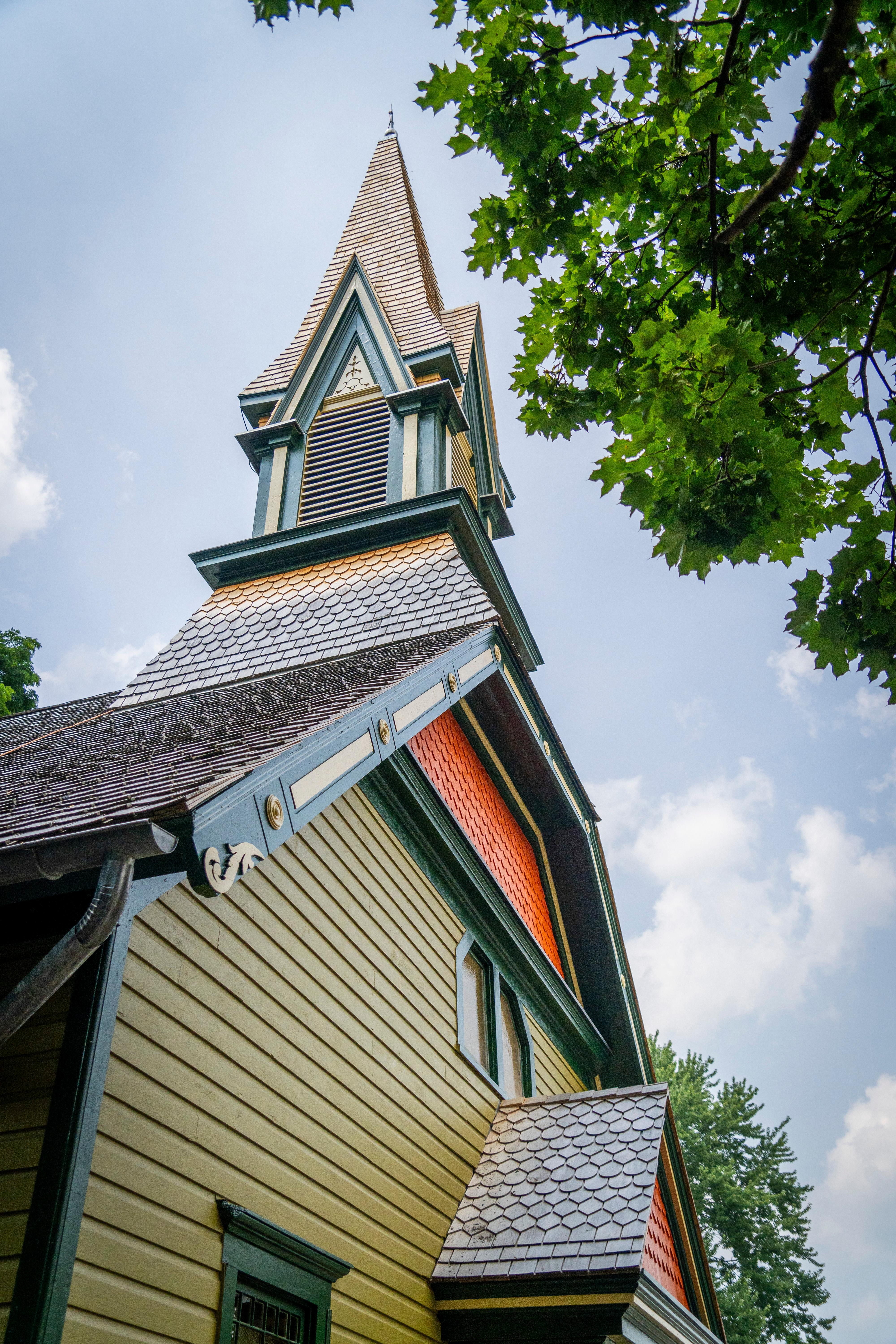
Harriet Tubman helped raise funds to build the Thompson Memorial African Methodist Episcopal Zion Church at 49 Parker Street. The church is open for self-guided tours during open hours, while the parsonage serves as a visitor contact station. Please note: hours may be subject to change seasonally.
Activities
Getting There
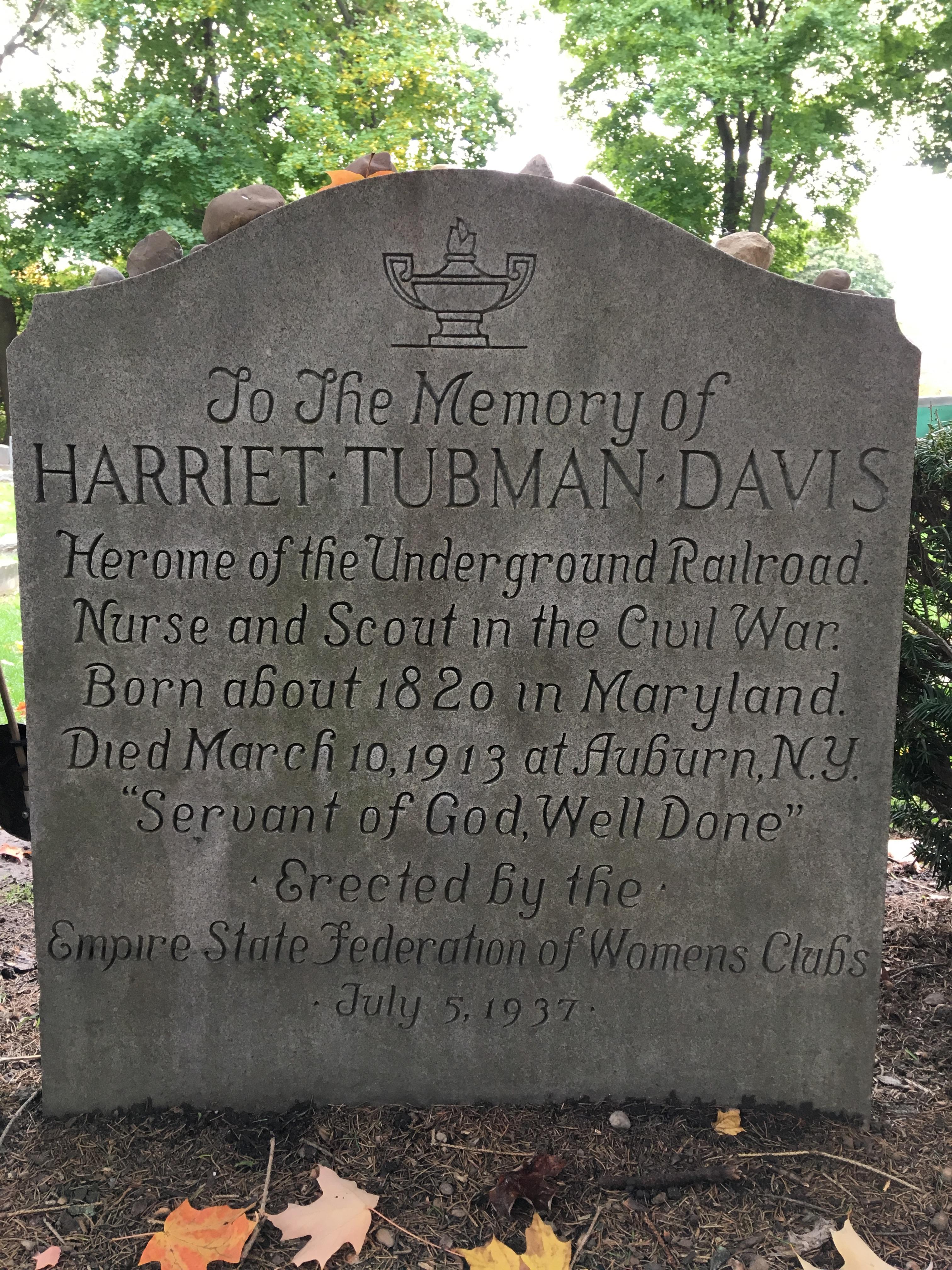
Harriet Tubman National Historical Park includes the Thompson Memorial African Methodist Episcopal Zion Church and parsonage. The legislative boundary of the park also includes properties at 180 South Street which are operated by the Harriet Tubman Home, Inc. A related Tubman site separate from the National Historical Park is Fort Hill Cemetery, where Tubman is buried. View directions to these sites on our directions page.
View Official DirectionsContact & Address
The NPS-listed address may be an administrative office, visitor center, mailing/contact location, or other park facility rather than a park entrance.
Topics & Themes
Visitor Centers
Thompson Memorial A.M.E. Zion Church and Parsonage
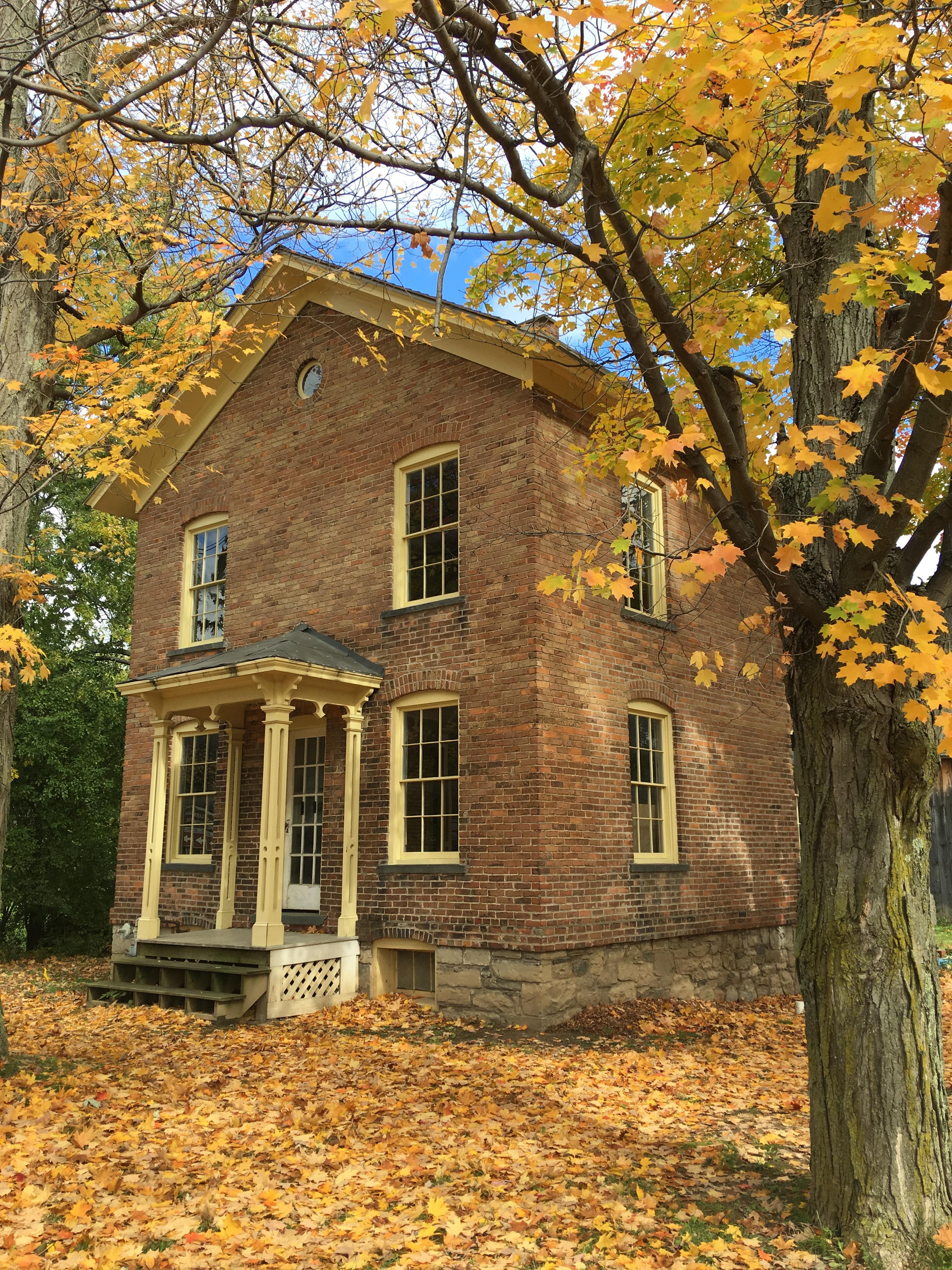
The parsonage for the Thompson Memorial A.M.E. Zion Church served as a residence for church pastors for decades. Today, it serves as the main visitor…
Nearby National Park Service Sites
These sites are ordered by straight-line distance between NPS reference coordinates. This is useful for comparison, but it is not road mileage. Trails, parkways, rivers, and distributed units may extend far from their reference point.