
Imagine standing on the edge of America’s newest national park, gazing down into the dramatic 1,000-foot gorge carved by ancient waters through Appalachian bedrock. The New River Gorge represents just one spectacular facet of West Virginia’s remarkable collection of protected landscapes, where whitewater rivers thunder through mountain valleys and historic trails wind through forests that witnessed pivotal moments in American history.
West Virginia’s national parks showcase the Mountain State’s incredible diversity, from world-class whitewater rafting destinations to Civil War battlefields that shaped our nation’s destiny. You’ll discover landscapes where indigenous peoples, early settlers, and Civil War soldiers all left their mark on the rugged Appalachian terrain. The state’s eight national park units encompass everything from pristine scenic rivers perfect for kayaking to historic canals that once served as vital transportation corridors.
These West Virginia national parks offer outdoor enthusiasts unparalleled opportunities for adventure and reflection. Whether you’re seeking heart-pounding rapids, peaceful hiking trails, or immersive historical experiences, the Mountain State’s protected areas deliver authentic Appalachian experiences that you won’t find anywhere else in America.
Looking for a quick overview? Check out our complete directory of national parks in West Virginia with maps, locations, and contact information.
Top Parks to Visit
New River Gorge National Park & Preserve
America’s newest national park, established in 2020, protects 70,000 acres of the New River Gorge near Glen Jean. You’ll find some of the country’s best whitewater rafting, with Class III-V rapids that challenge even experienced paddlers. The iconic New River Gorge Bridge, stretching 3,030 feet across the canyon, offers breathtaking views and serves as the centerpiece for Bridge Day, when BASE jumpers leap from its 876-foot height. Rock climbers flock here for world-renowned sandstone cliffs, while hikers can explore over 100 miles of trails ranging from easy riverside walks to challenging backcountry routes.
Best time to visit: April through October for rafting; September through November for spectacular fall foliage.
Must-see attractions: New River Gorge Bridge overlooks, Endless Wall Trail, and Sandstone Falls.
Quick tip: Book whitewater rafting trips well in advance during peak season (June-August).
Harpers Ferry National Historical Park
Where the Potomac and Shenandoah rivers converge, Harpers Ferry preserves the site of John Brown’s famous 1859 raid that helped spark the Civil War. You’ll walk cobblestone streets lined with restored 19th-century buildings, including the firehouse where Brown made his last stand. The park’s 4,000 acres extend across three states, offering hiking trails that connect to both the Appalachian Trail and C&O Canal towpath. Jefferson Rock provides stunning views of the river confluence that Thomas Jefferson once called “worth a voyage across the Atlantic.”
Best time to visit: Spring (April-May) and fall (September-October) for comfortable weather and fewer crowds.
Must-see attractions: John Brown’s Fort, Jefferson Rock, and the restored Lower Town.
Quick tip: Park in the visitor center lot and take the shuttle bus to avoid crowded Lower Town parking.
Gauley River National Recreation Area
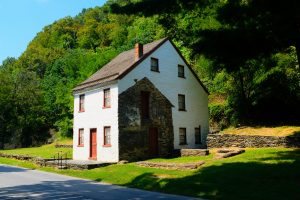
The Gauley River delivers some of the most intense whitewater rafting in the eastern United States, with over 100 rapids packed into 28 miles of river. You’ll experience the legendary “Gauley Season” each fall when upstream dam releases create perfect conditions for Class IV-V whitewater adventures. Beyond rafting, the 11,506-acre recreation area offers excellent fishing for smallmouth bass and trout, plus hiking trails that showcase the river’s pristine mountain environment. The Carnifex Ferry Battlefield State Park within the recreation area preserves a Civil War battle site with interpretive trails.
Best time to visit: September through October during dam release season for peak whitewater conditions.
Must-see attractions: Sweet’s Falls rapids, Carnifex Ferry Battlefield, and downstream scenic overlooks.
Quick tip: Only experienced rafters should attempt the Upper Gauley; beginners should start with the Lower Gauley section.
Chesapeake & Ohio Canal National Historical Park
This 184.5-mile linear park follows the historic C&O Canal from Washington, D.C. to Cumberland, Maryland, with significant portions running through West Virginia’s Eastern Panhandle. You’ll bike or hike along the flat towpath where mules once pulled canal boats, passing through 74 lift locks and numerous aqueducts that represent 19th-century engineering marvels. The West Virginia sections offer some of the most scenic and least crowded portions of the entire canal, with excellent opportunities to spot wildlife including great blue herons, beavers, and white-tailed deer.
Best time to visit: Year-round, though spring wildflowers (April-May) are particularly spectacular.
Must-see attractions: Antietam Creek Aqueduct, Lock 38, and the historic Shepherdstown area.
Quick tip: Rent bikes in Shepherdstown for easy towpath exploration without the crowds found near Washington, D.C.
Bluestone National Scenic River
The Bluestone River’s 10.5-mile protected section offers a gentler alternative to West Virginia’s famous whitewater rivers, perfect for families and beginning paddlers. You’ll float through a pristine mountain valley where the river has carved deep pools ideal for swimming and fishing. The surrounding 4,310 acres protect some of the state’s most diverse ecosystems, home to over 40 rare plant species and pristine riparian forests. Excellent hiking trails along the riverbank provide access to swimming holes and scenic overlooks.
Best time to visit: Late spring through early fall (May-September) for optimal water levels and weather.
Must-see attractions: Bluestone Turnpike Trail, river access points for swimming, and wildlife viewing areas.
Quick tip: Check water levels before visiting; late summer can bring very low water unsuitable for canoeing.
Planning Your Trip
The optimal time to explore West Virginia national parks spans from April through October, when weather conditions favor outdoor activities and most facilities remain fully operational. Spring brings spectacular wildflower displays and ideal water levels for river activities, while fall offers breathtaking foliage and comfortable temperatures perfect for hiking. Summer provides peak whitewater rafting conditions, though you’ll encounter larger crowds at popular destinations.
Most West Virginia national parks are easily accessible by car, with Interstate 64 and Interstate 81 serving as primary corridors. You’ll find that driving distances between parks can be significant due to mountainous terrain – plan for 2-3 hours between major destinations like New River Gorge and Harpers Ferry. The winding mountain roads offer stunning scenery but require careful attention, especially during winter months when conditions can become hazardous.
Gateway cities provide excellent bases for park exploration. Harpers Ferry offers historic accommodations and easy access to three different park units, while Beckley serves as the primary hub for New River Gorge adventures. Lewisburg, a charming historic town near several parks, provides upscale dining and lodging options. For budget-conscious travelers, camping within park boundaries offers immersive experiences at places like New River Gorge.
Consider purchasing the America the Beautiful Annual National Parks Pass if you plan to visit multiple parks or return within a year. The $80 pass pays for itself after visiting just three fee-charging locations and provides additional benefits like discounts on camping and guided tours.
Hidden Gems
Appalachian National Scenic Trail
While the famous 2,190-mile Appalachian Trail receives plenty of attention, West Virginia’s 27-mile section often gets overlooked by hikers focused on more dramatic destinations. You’ll traverse some of the trail’s most accessible and rewarding segments, including the crossing at Harpers Ferry – considered the psychological halfway point for thru-hikers. The trail offers spectacular views from Jefferson Rock and connects seamlessly with local park trail systems.
Lewis & Clark National Historic Trail
This lesser-known trail unit commemorates the famous expedition’s preparation phase in West Virginia. You’ll discover historical markers and interpretive sites that tell the story of the Corps of Discovery’s formation, offering a unique perspective on American exploration history that most visitors never experience. Photography enthusiasts will appreciate the uncrowded historical sites and scenic river valleys.
These hidden gems prove perfect for travelers seeking authentic experiences away from peak-season crowds. History buffs and families with children particularly enjoy these quieter destinations, where you can take time to truly absorb the stories and landscapes without feeling rushed.
Practical Tips
Pack layered clothing for West Virginia’s unpredictable mountain weather, including waterproof jackets even during summer months. Sturdy hiking boots with good ankle support are essential for the rocky, root-filled trails common throughout the region. Don’t forget swimwear for unexpected swimming opportunities and quick-dry clothing if you’re planning any water activities.
Safety considerations in West Virginia national parks include awareness of rapidly changing weather conditions, especially during whitewater activities. Always inform someone of your hiking plans and expected return times, as cell phone service can be spotty or nonexistent in remote areas. Black bears inhabit all park areas – store food properly and never approach or feed wildlife.
Cell phone coverage varies dramatically across West Virginia’s mountainous terrain. You’ll find reliable service in developed areas like Harpers Ferry and near New River Gorge visitor centers, but expect dead zones along remote trails and river sections. Download offline maps and carry emergency communication devices for backcountry adventures.
Avoid crowds by visiting popular destinations early in the morning or on weekdays when possible. Summer weekends bring heavy traffic to places like New River Gorge Bridge, while Harpers Ferry can become extremely crowded during peak fall foliage season in October.
Conclusion
West Virginia national parks showcase the Mountain State’s remarkable diversity, from thundering whitewater rivers to pivotal historical sites that shaped American history. You’ll discover that each park offers distinct experiences, whether you’re seeking adrenaline-pumping adventures or peaceful moments of historical reflection. These protected landscapes preserve the authentic spirit of Appalachia while providing modern visitors with unforgettable outdoor experiences. Start planning your West Virginia national parks adventure today and prepare to be amazed by the natural beauty and rich heritage waiting in the Mountain State.
Start Planning Your Visit
Ready to explore West Virginia’s incredible national parks? Browse our complete park directory to find detailed information about each site, including addresses, operating hours, entrance fees, and visitor centers.