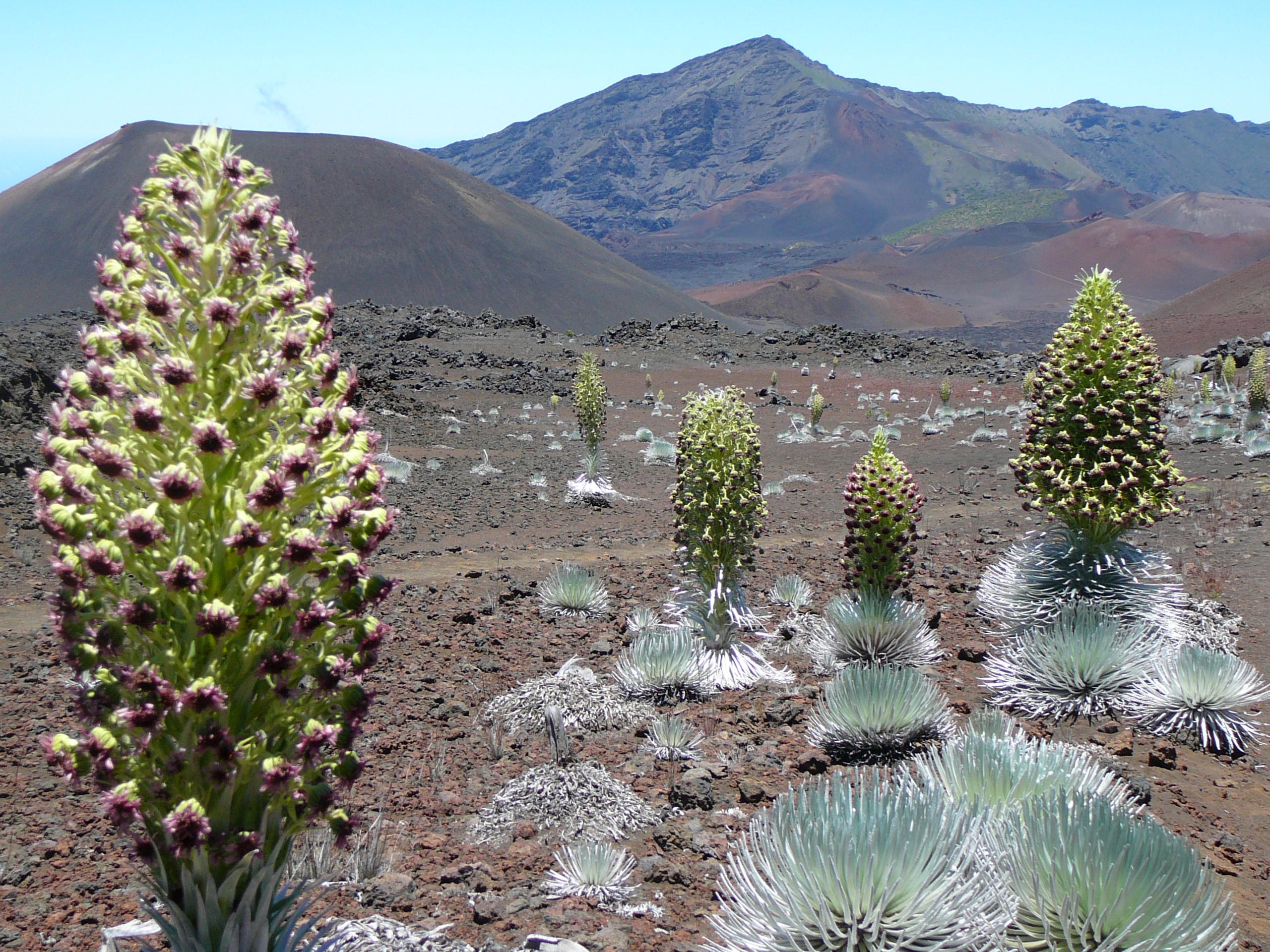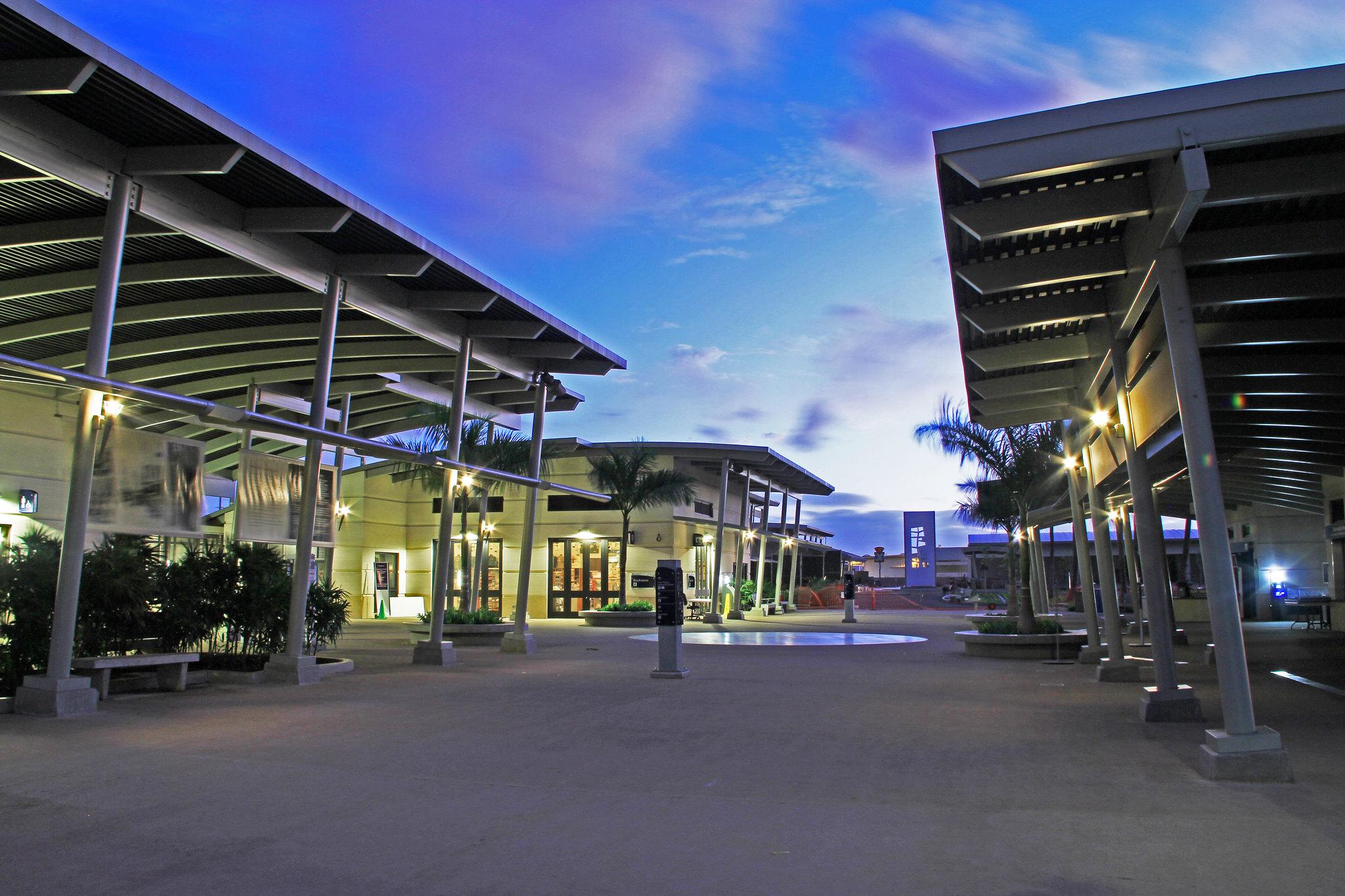
About Kalaupapa National Historical Park
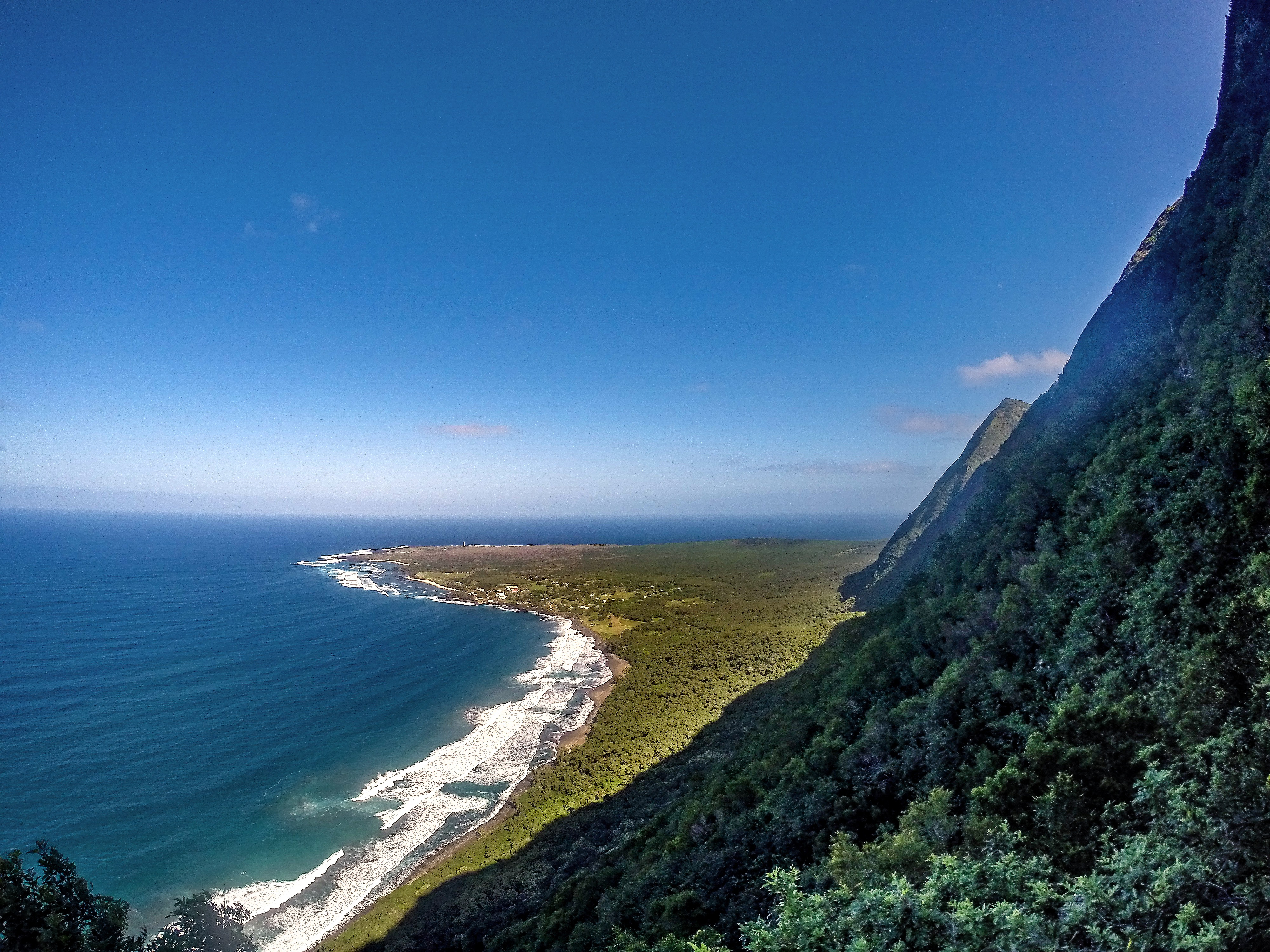
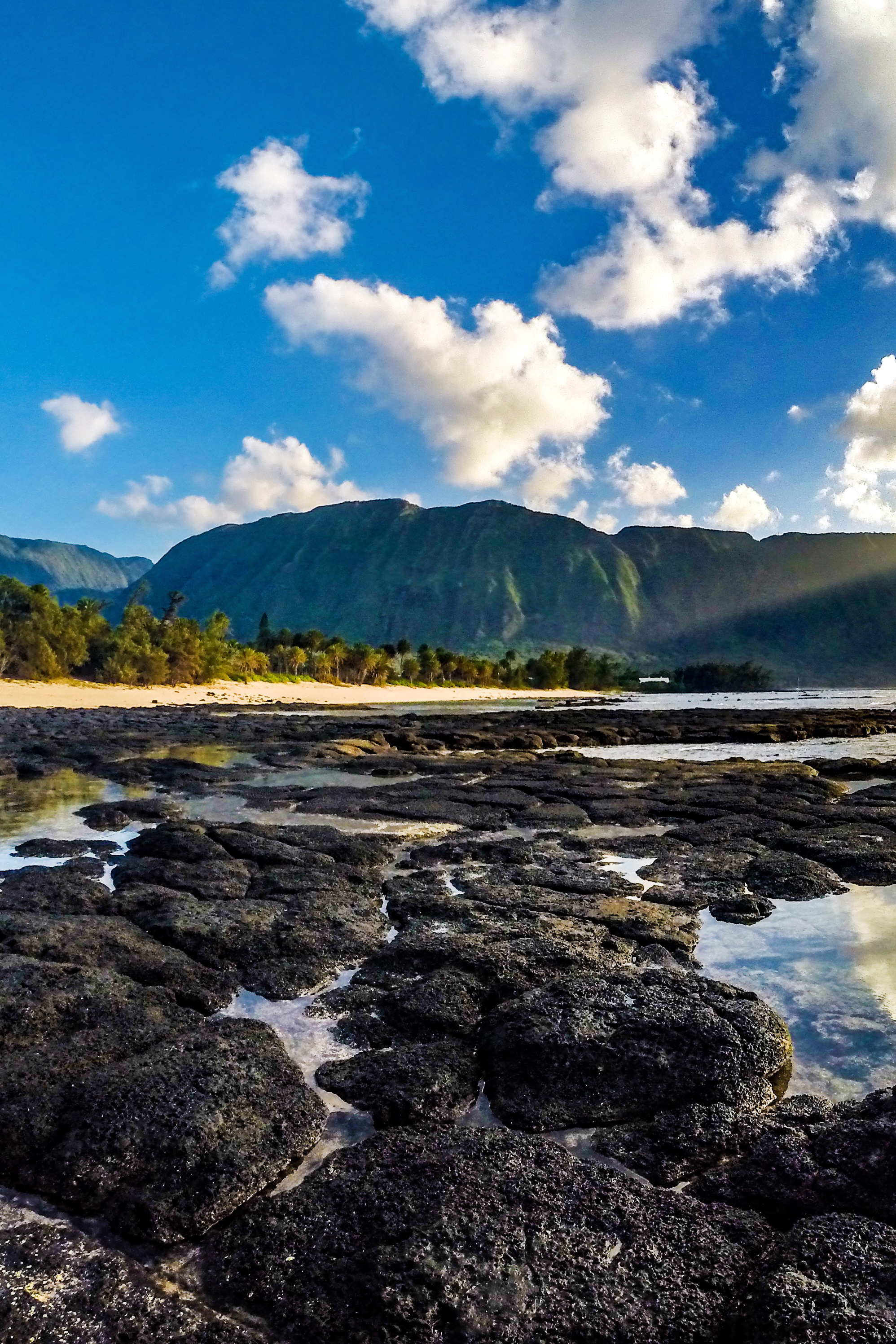
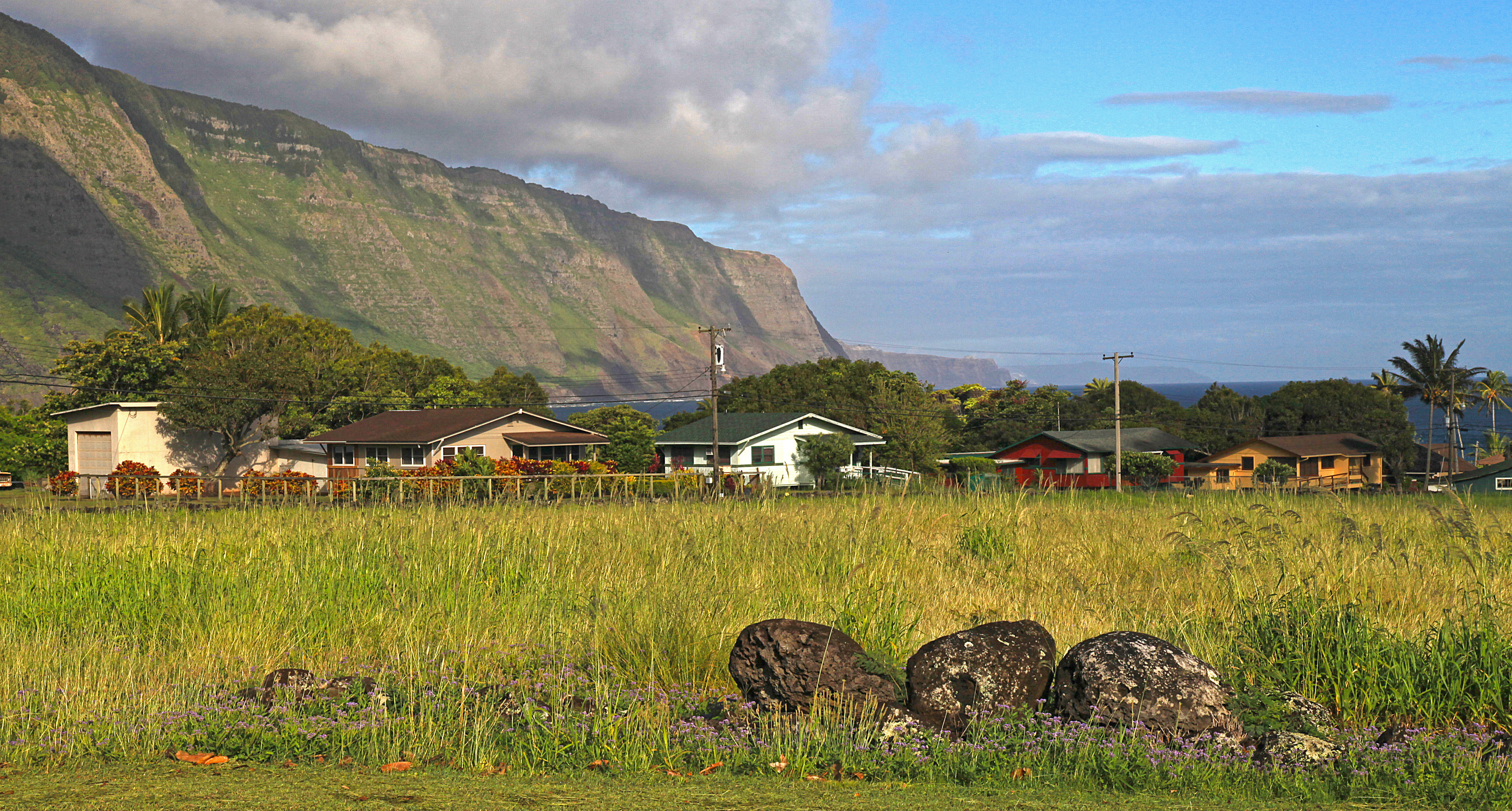
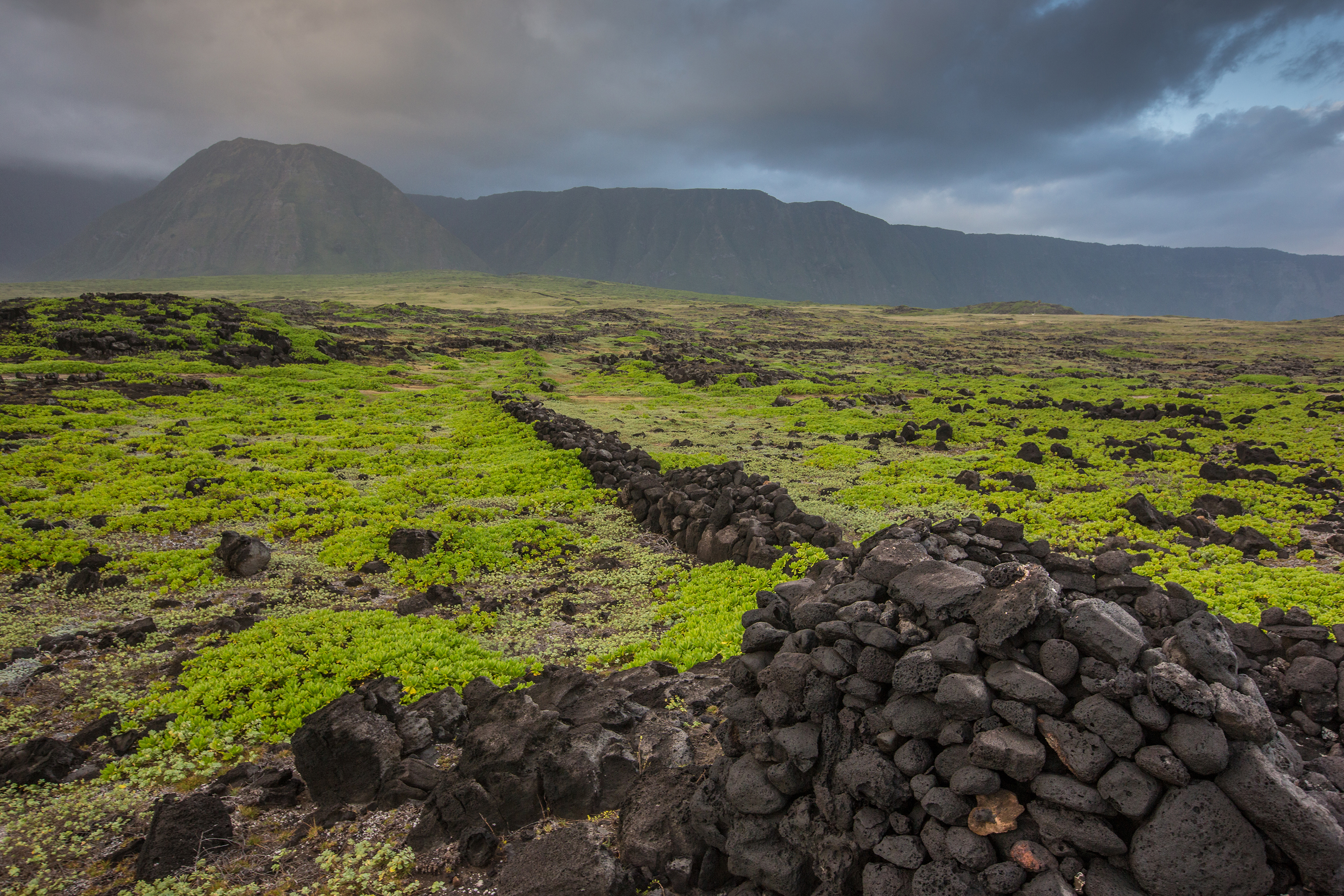
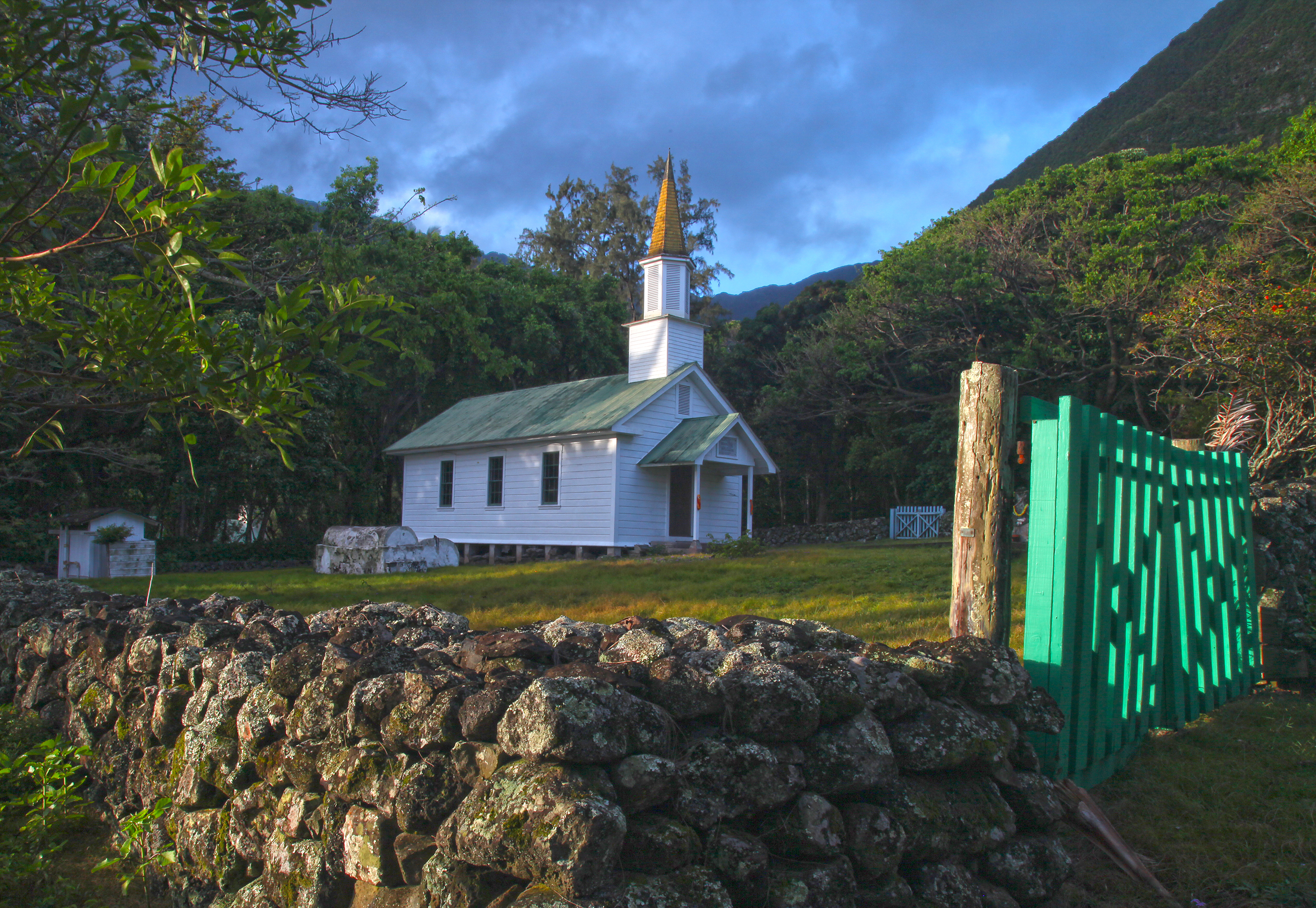
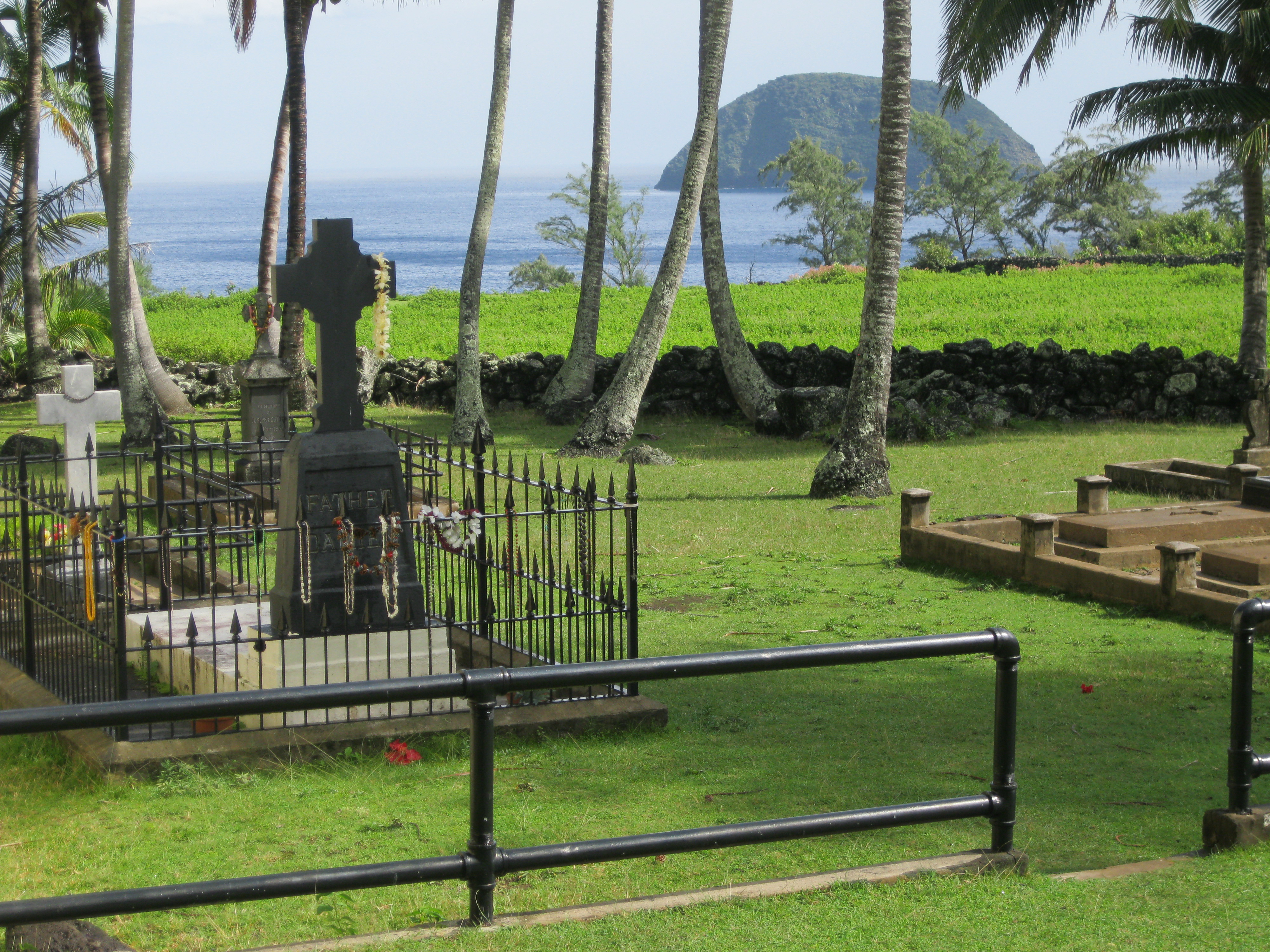
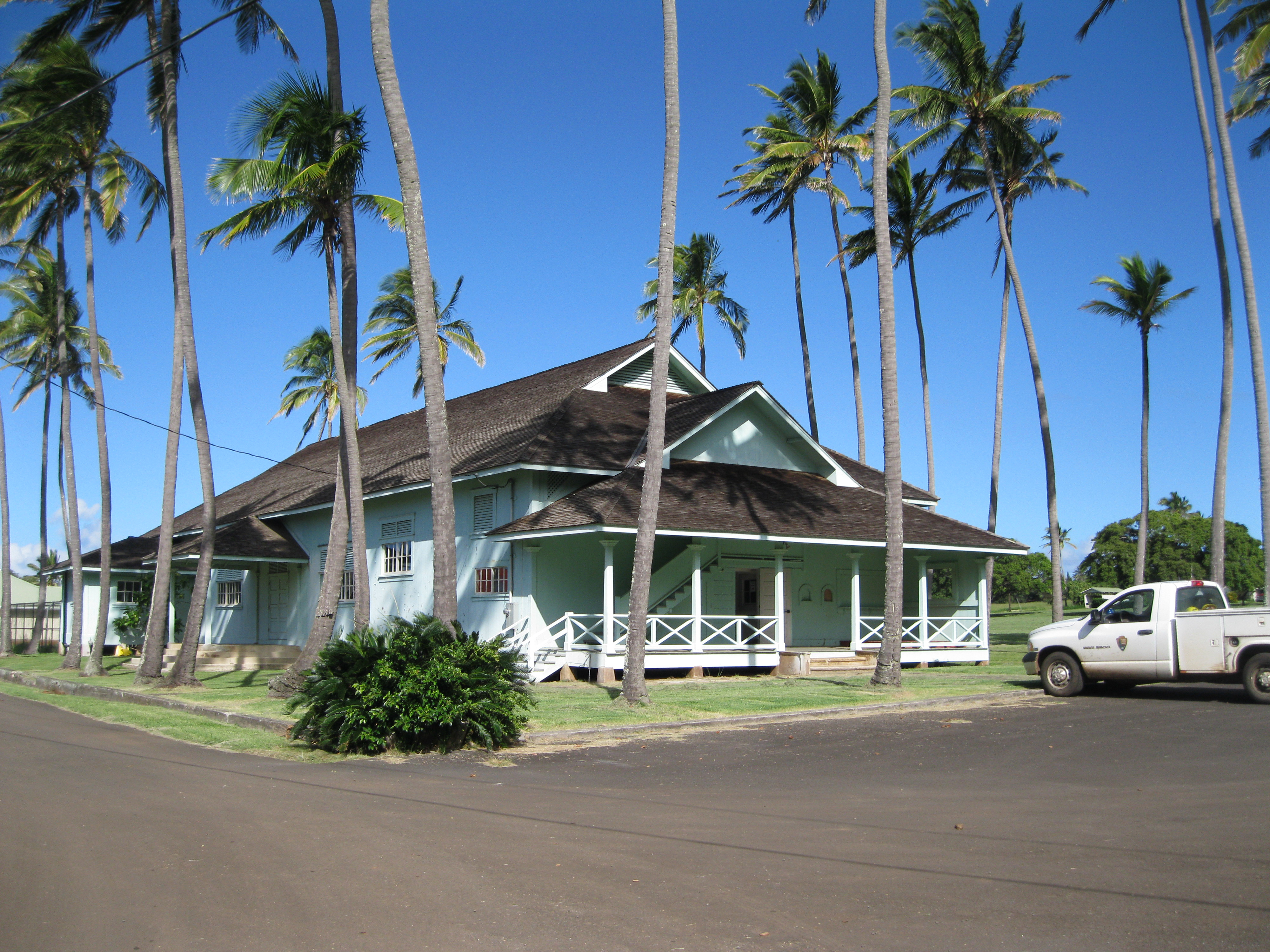
When Hansen's disease (leprosy) was introduced to the Hawaiian Islands, King Kamehameha V banished all afflicted to the isolated Kalaupapa Peninsula on the north shore of Molokai. Since 1866, more than 8,000 people, mostly Hawaiians, have died at Kalaupapa. Once a prison, Kalaupapa is now a refuge for the few remaining residents who are cured but were forced to live their lives in isolation.
Plan a Visit
Core visitor information on this page is sourced from the National Park Service. NPD proximity sections use NPS reference coordinates and straight-line distance. Local source bundle updated Sep 27, 2026. View the official NPS page.
Weather & Conditions
Hawaii enjoys warm temperatures year-round, although site conditions at the park can vary depending on weather and time of year. The rainy season is in the winter with the more hot and humid days in the summer. Trade winds are fairly constant and typically blow from the northeast. Daytime temperatures…
NPS Reference Location
Park state / territory membership: Hawaii. This map uses the National Park Service reference coordinate. It may represent an administrative or reference point rather than a park entrance, trailhead, visitor center, or the nearest access point. Use the official NPS directions below when planning travel.
Operating Hours
Kalaupapa National Historical Park is home to an active community of people, including patient-residents and State and Federal employees. Because of this, there are no park opening or closing hours, though tours are only given during daylight hours. Visitation is restricted in accordance with Hawai'i State Law. All visitors must have a permit.
Activities
Current Alerts
Access to the park, including Kalawao County, the Kalaupapa Trail, the settlement, and Waikolu Valley, is restricted to residents and visitors with approved permits issued by Hawaii State Department of Health. Violations will result in arrest/fine.
We continue to experience intermittent outages with our phone lines. If your call does not go through, please try again later, or try to leave us a message and we will get back to you. Thank you for your understanding.
It is prohibited to come within 1/4 mile of the Kalaupapa shoreline. Access by boat within the quarter mile offshore park boundary requires a special use permit.
Launching, landing, or operating an unmanned aircraft from or on lands and waters administered by the National Park Service within the boundaries of Kalaupapa National Historical Park is prohibited. This includes model airplanes, quadcopters, and drones.
Getting There
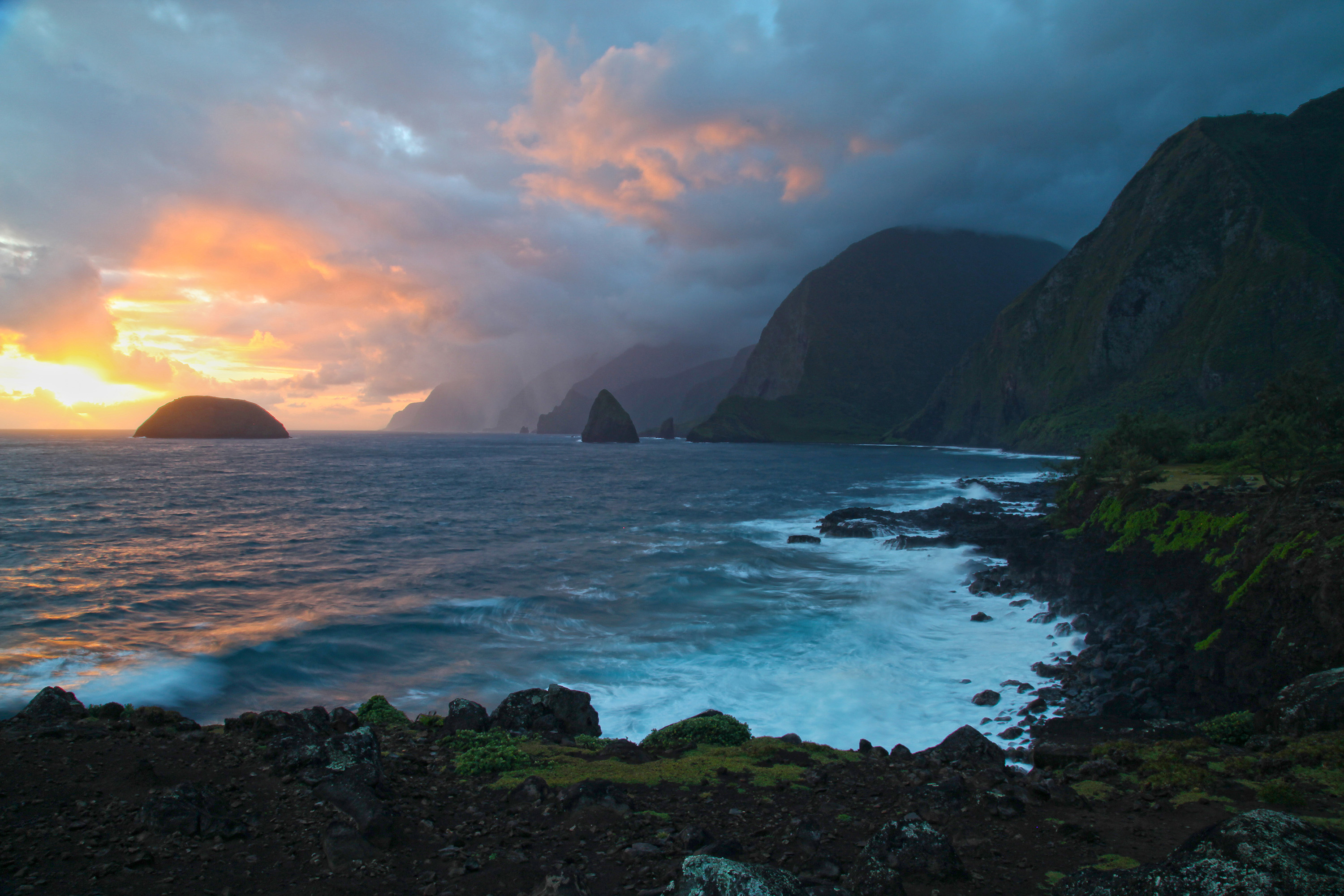
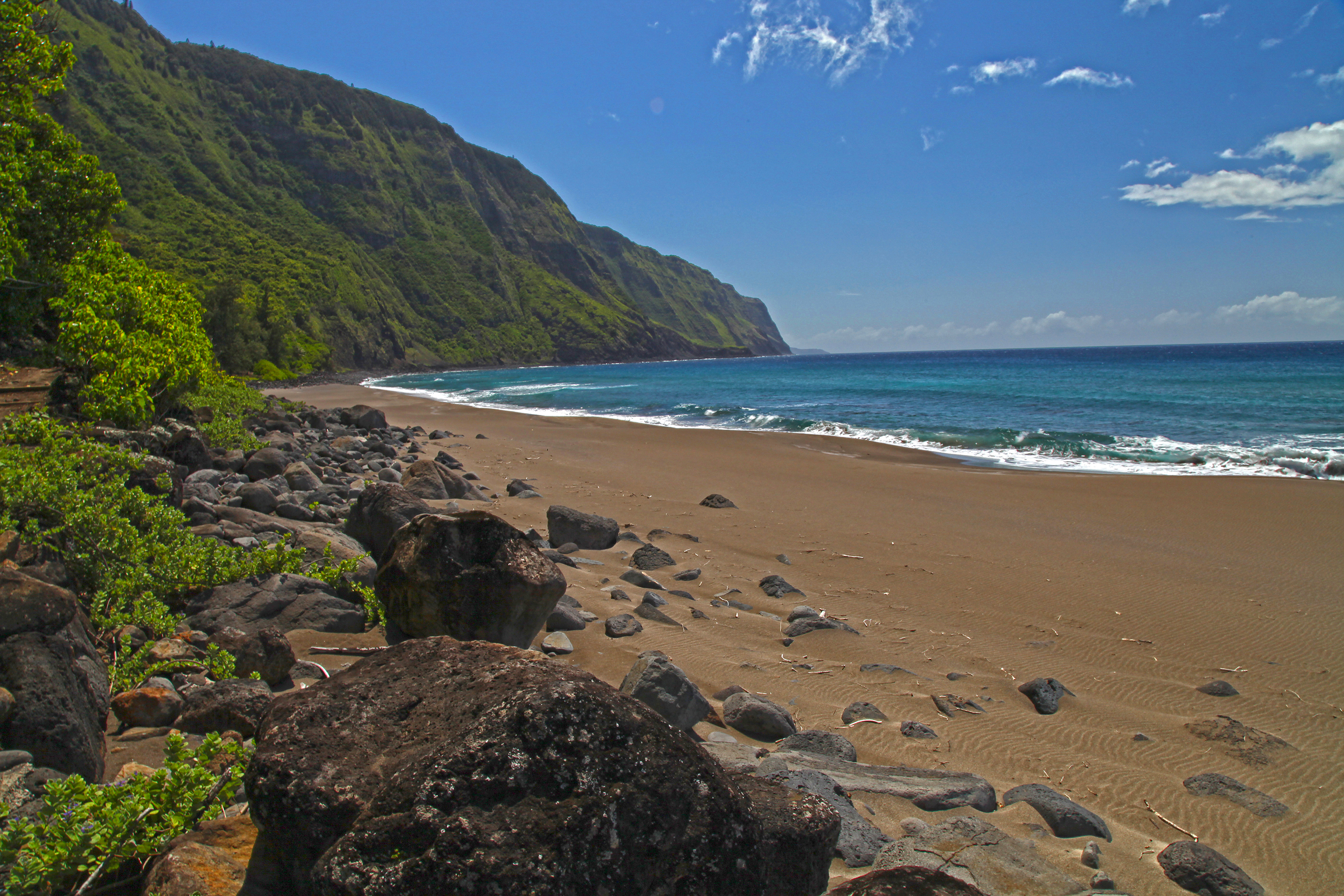
Kalaupapa is an extremely isolated place, surrounded on three sides by ocean and two-thousand foot cliffs on the fourth. Consequently, there is no road access into the peninsula. Kalaupapa cannot be reached by automobile. To get to the park, visitors must travel by air or on foot. See the park's Direction and Transportation webpage for additional information.
View Official DirectionsContact & Address
The NPS-listed address may be an administrative office, visitor center, mailing/contact location, or other park facility rather than a park entrance.
Topics & Themes
Nearby National Park Service Sites
These sites are ordered by straight-line distance between NPS reference coordinates. This is useful for comparison, but it is not road mileage. Trails, parkways, rivers, and distributed units may extend far from their reference point.