


About Hawaiʻi Volcanoes National Park
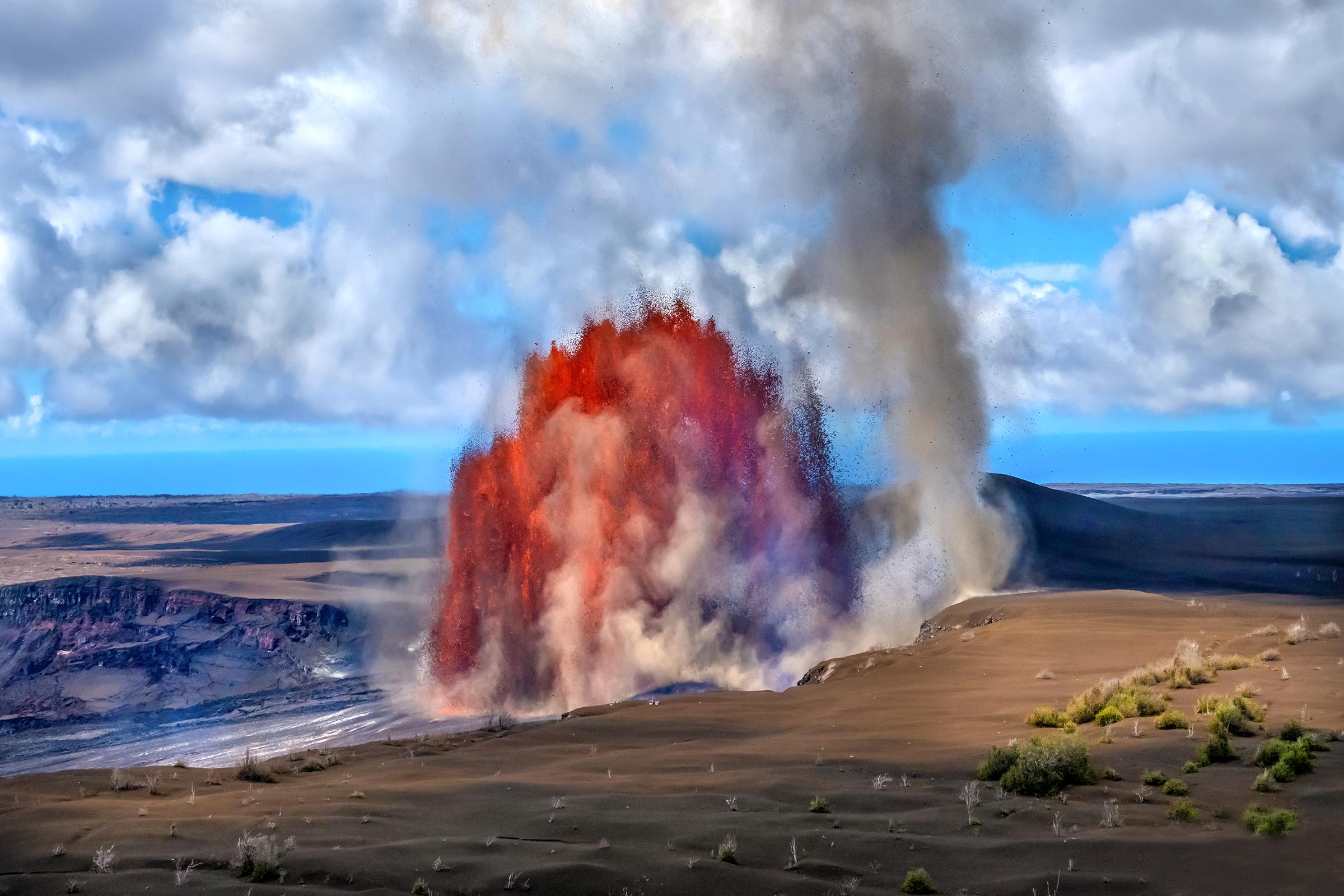
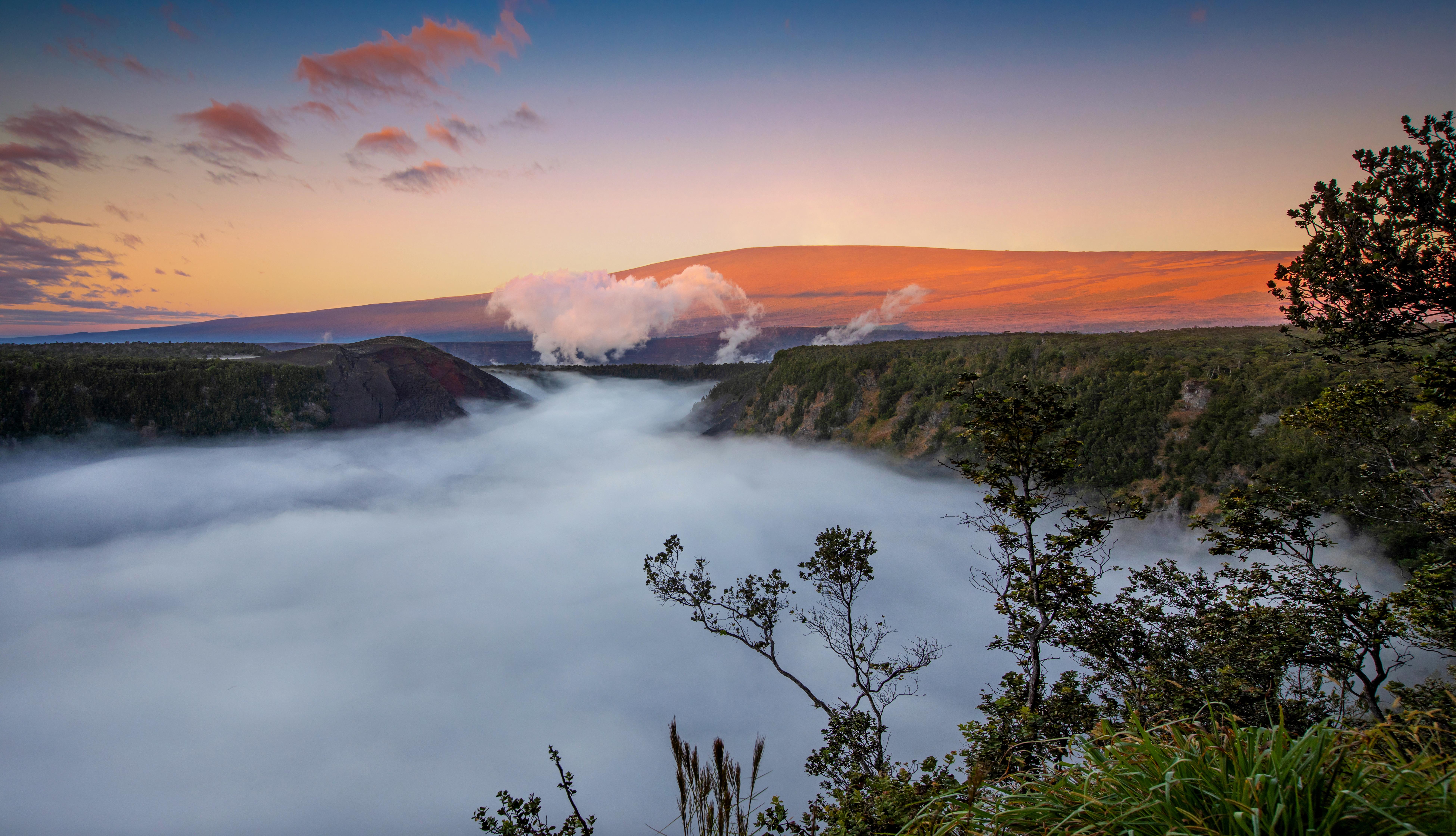
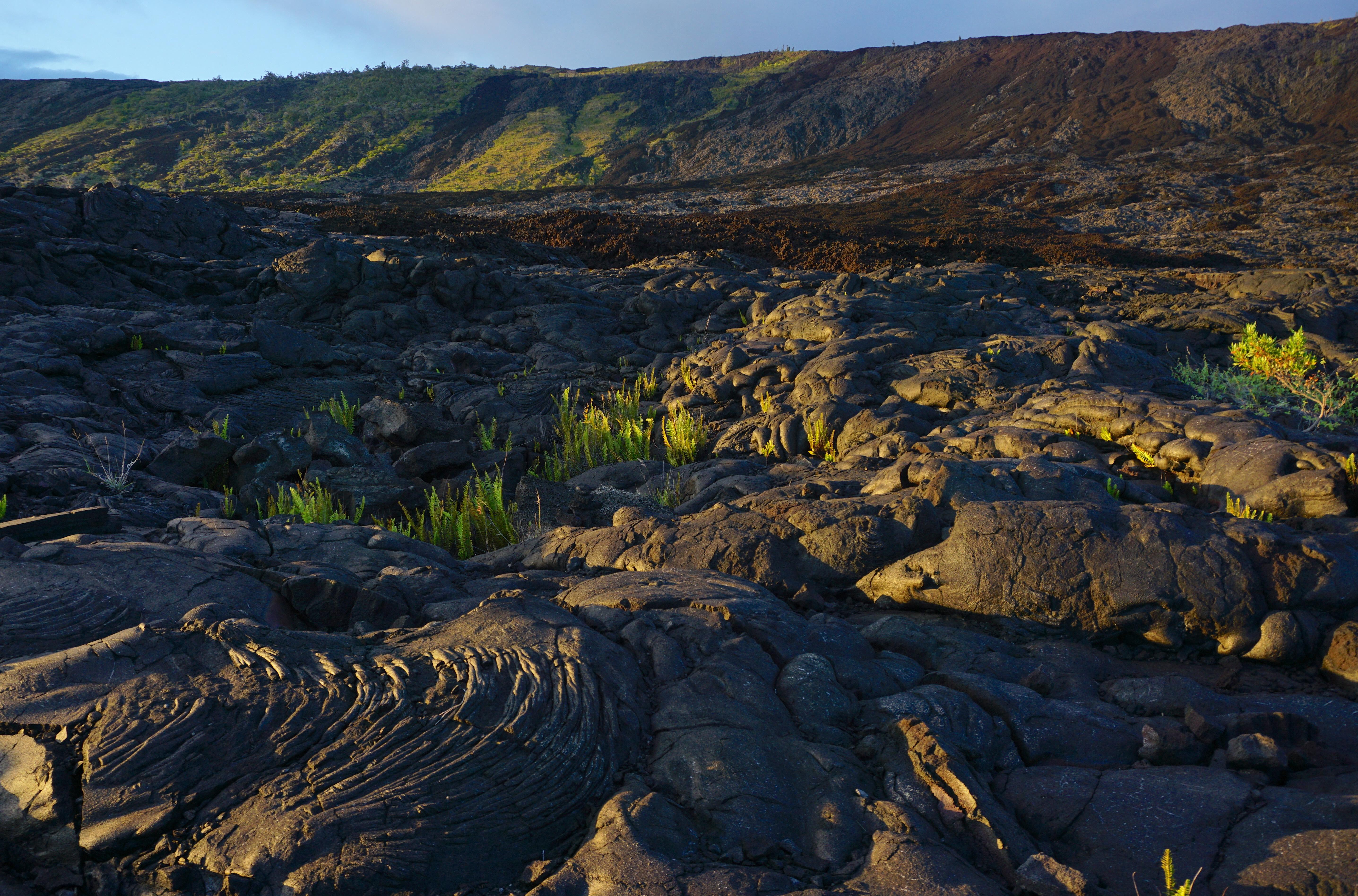
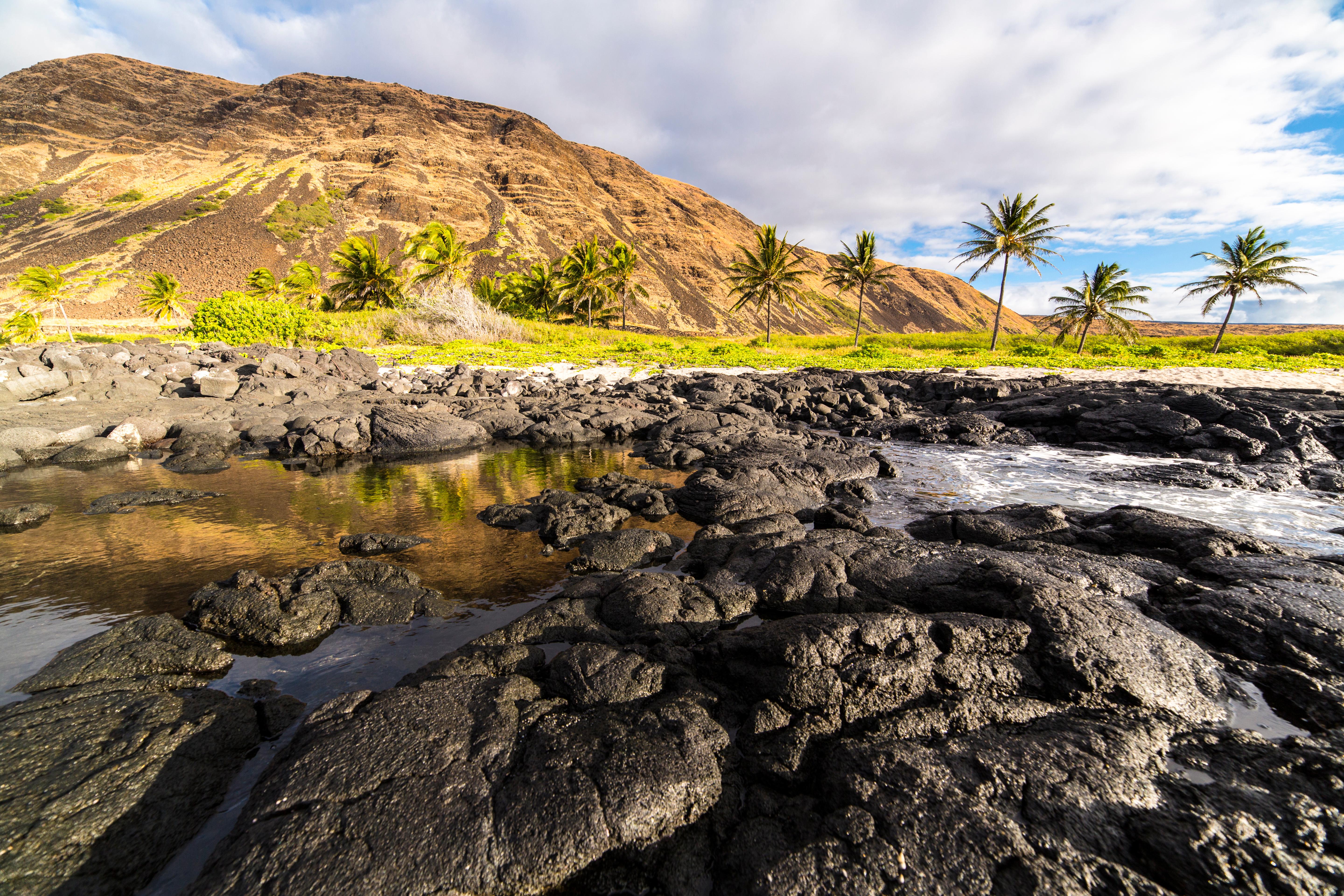
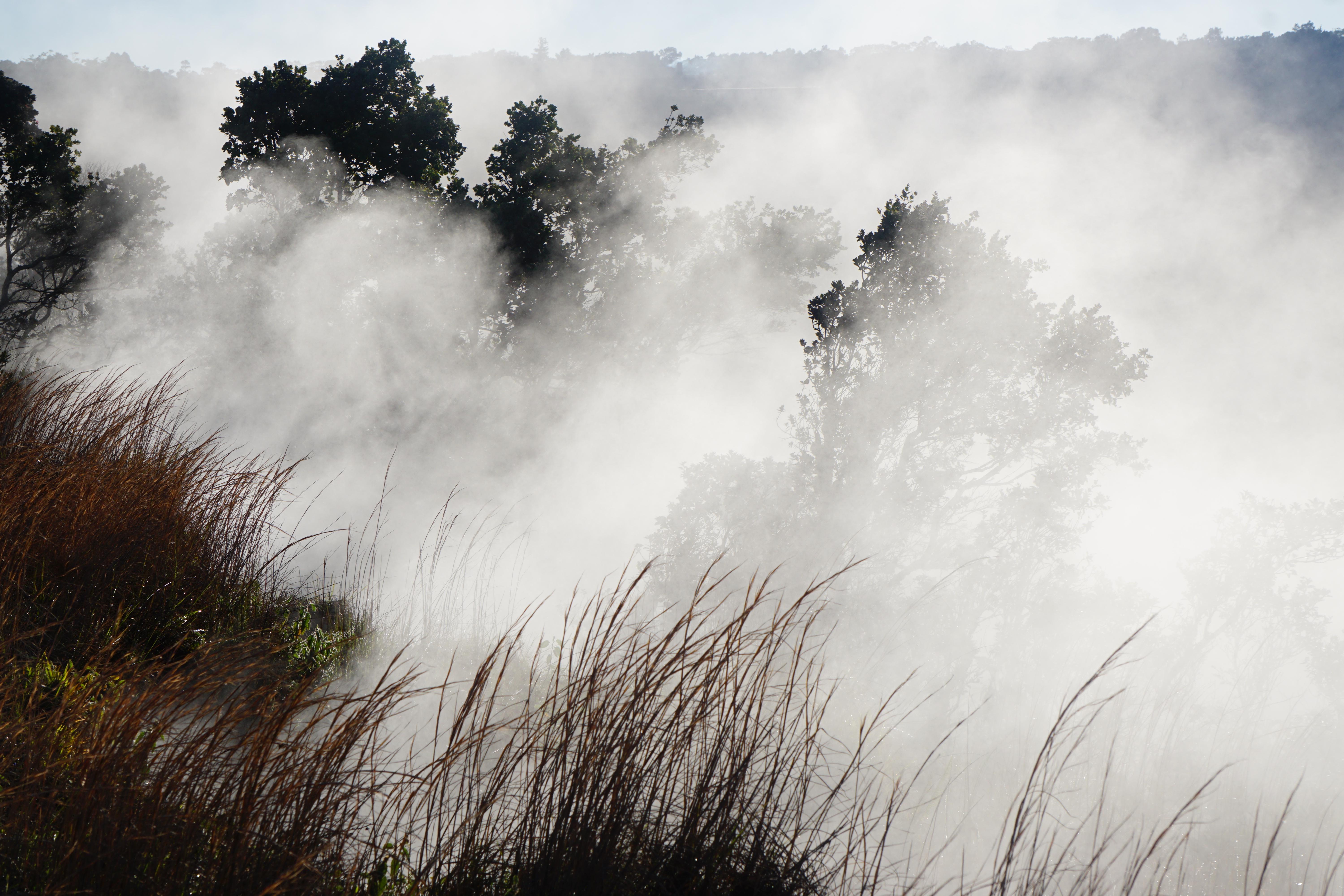
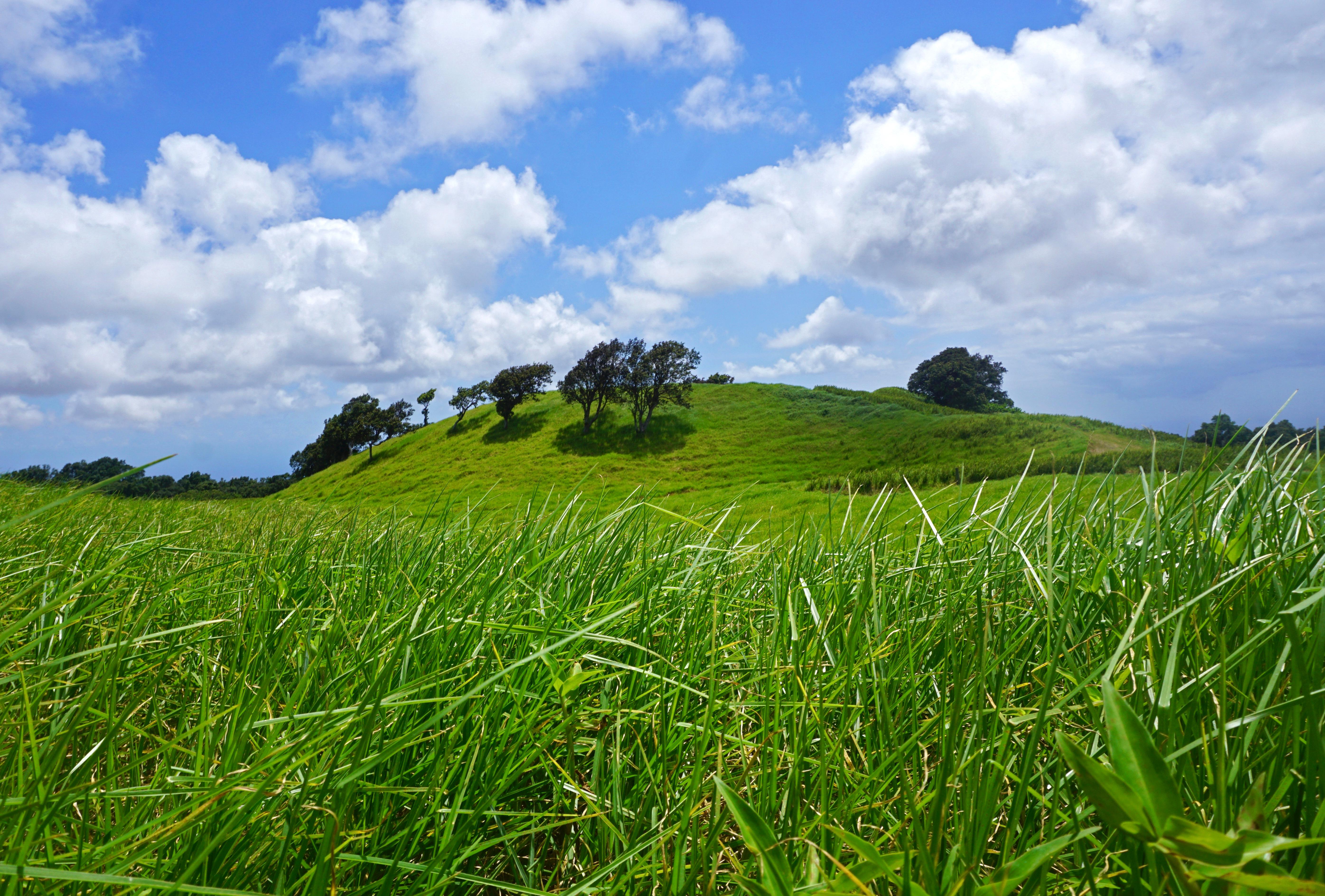
Hawai‘i Volcanoes National Park protects some of the most unique geological, biological, and cherished cultural landscapes in the world. Extending from sea level to 13,680 feet, the park encompasses the summits of two of the world's most active volcanoes - Kīlauea and Mauna Loa - and is a designated International Biosphere Reserve and UNESCO World Heritage Site.
Plan a Visit
Core visitor information on this page is sourced from the National Park Service. NPD proximity sections use NPS reference coordinates and straight-line distance. Local source bundle updated Sep 27, 2026. View the official NPS page.
Weather & Conditions
The weather the summit of Kīlauea (~4000' elevation) varies daily and may be rainy and chilly any time of the year. Temperature varies by elevation. At the summit of the volcano, temperatures may be 12 to 15 degrees cooler than at sea level. The coastal plain at the end of…
NPS Reference Location
Park state / territory membership: Hawaii. This map uses the National Park Service reference coordinate. It may represent an administrative or reference point rather than a park entrance, trailhead, visitor center, or the nearest access point. Use the official NPS directions below when planning travel.
Entrance Fees
Private Vehicle Pass - The private vehicle pass admits the passholder and up to 14 passengers of a single, private (non-commercial) vehicle.
Valid for 7 days. Admits up to 2 private, non-commercial motorcycles with up to 4 total passengers.
Pedestrian/Cyclist Pass - Admits one individual bicyclist, hiker, or pedestrian visiting without a private vehicle. An individual pass is not required for visitors aged 15 and under.
The commercial entrance fee for a Road Based Guided Tour is based on vehicle seating capacity. For a 16-25 passenger vehicle the user fee is $100.
The commercial entrance fee for a Road Based Guided Tour is based on vehicle seating capacity. For a 26+ passenger vehicle the user fee is $200. Large vehicles, defined as more than 26 feet in length and/or more than eight feet wide, are only allowed to operate on Crater Rim Drive to Kilauea Visitor Center, Kūkamāhuākea (Steam Vents), and Uēkahuna. Mauna Loa Road to the Kīpukapuaulu turnabout.
$15 per person for Commercial Non-Road Based Guided Tours. This includes hiking more than one mile on one trail, bird watching on foot for more than one hour at one location, and/or or bicycling tours.
Operating Hours
Hawai‘i Volcanoes National Park is open 7 days a week, 24 hours a day including holidays.
Activities
Current Alerts
Volcanic eruptions can be hazardous. Stay out of closed areas and monitor air quality. Eruptions can last a few hours and are often separated by pauses lasting several weeks.
Backcountry trails and campgrounds begin closing today, with all backcountry areas closed by 5 PM on Thursday, September 24, 2026. All remaining park areas, including Nāmakanipaio tent camping, will close by 5 PM Thursday to all recreational activities; Kahuku Unit will close at 4 PM. Lodging guests and staff will shelter in place by 5 PM on Thursday.
Crater Rim Drive West is closed between Kilauea Military Camp and the Uēkahuna parking area due to a downed utility pole. This section of road will be closed to all vehicle use until further notice. Crater Rim Trail and overlooks toward Uēkahuna remain open to hikers.
Overflow parking at the Kīlauea Military Camp ballfield is temporarily closed until further notice due to a downed utility pole. Parking at the visitor center may be limited. Additional parking is available elsewhere within the Kīlauea Military Camp area. Please park where space is available, and follow posted signs and ranger directions.
Mauna Loa Road will be closed to all use from the second cattle guard (about two miles past Kīpukapuaulu) to Mauna Loa Lookout for tree removal starting September 23 through October 29, 2026. The tree work will prepare the area for the Mauna Loa Road Rehabilitation Project. Vehicles, bicyclists and pedestrians will not be allowed during the closure.
Hilina Pali Road beyond the Maunaiki Trailhead will be closed to motorized vehicles on September 14, 2026 from 6 a.m. to 4:30 p.m. Monday through Thursday for shoulder work. Hikers, bicyclists and backcountry permit holders will be given access but should expect delays while heavy machinery works on the road. The entire road will be open to all use outside of those hours including weekends and holidays. The work is expected to be complete by November 19, 2026.
Kīpukapuaulu Trail remains closed due to numerous hazardous trees and hanging limbs resulting from several recent storms. Managers are developing a plan and will reopen the trail when it is safe.
Upper Kahuku Road remains closed beyond the boot decontamination station due to storm damage. The Visitor Contact Station and most trails in the Kahuku Unit are now open following Hurricane Lala. Kahuku Road above the Lower Palm Trailhead is deeply rutted by the recent heavy rains. A 4WD is recommended to access areas above the Lower Palm Trailhead.
The Sulphur Banks Bridge is damaged and closed until further notice. The Haʻakulamanu area, boardwalk and Sulphur Banks Trail are open and accessible from the west side near Steam Vents.
Volcanic ash, rock and glassy strands (tephra) is present at Kīlauea summit and can irritate your skin, eyes and respiratory system. For your safety, do not handle it. Eye protection, long sleeves, long pants, a hat, closed-toe shoes and a dust mask are recommended.
Getting There
Hawai‘i Volcanoes National Park is located on the Island of Hawai‘i. From Hilo: 30 miles southwest on Highway 11 (45 minute drive); from Kailua-Kona: 96 miles southeast on Highway 11 (2 to 2.5 hour drive), or 125 miles through Waimea and Hilo via Highways 19 and 11 (2.5 to 3 hours).
View Official DirectionsContact & Address
The NPS-listed address may be an administrative office, visitor center, mailing/contact location, or other park facility rather than a park entrance.