

About Charles Pinckney National Historic Site
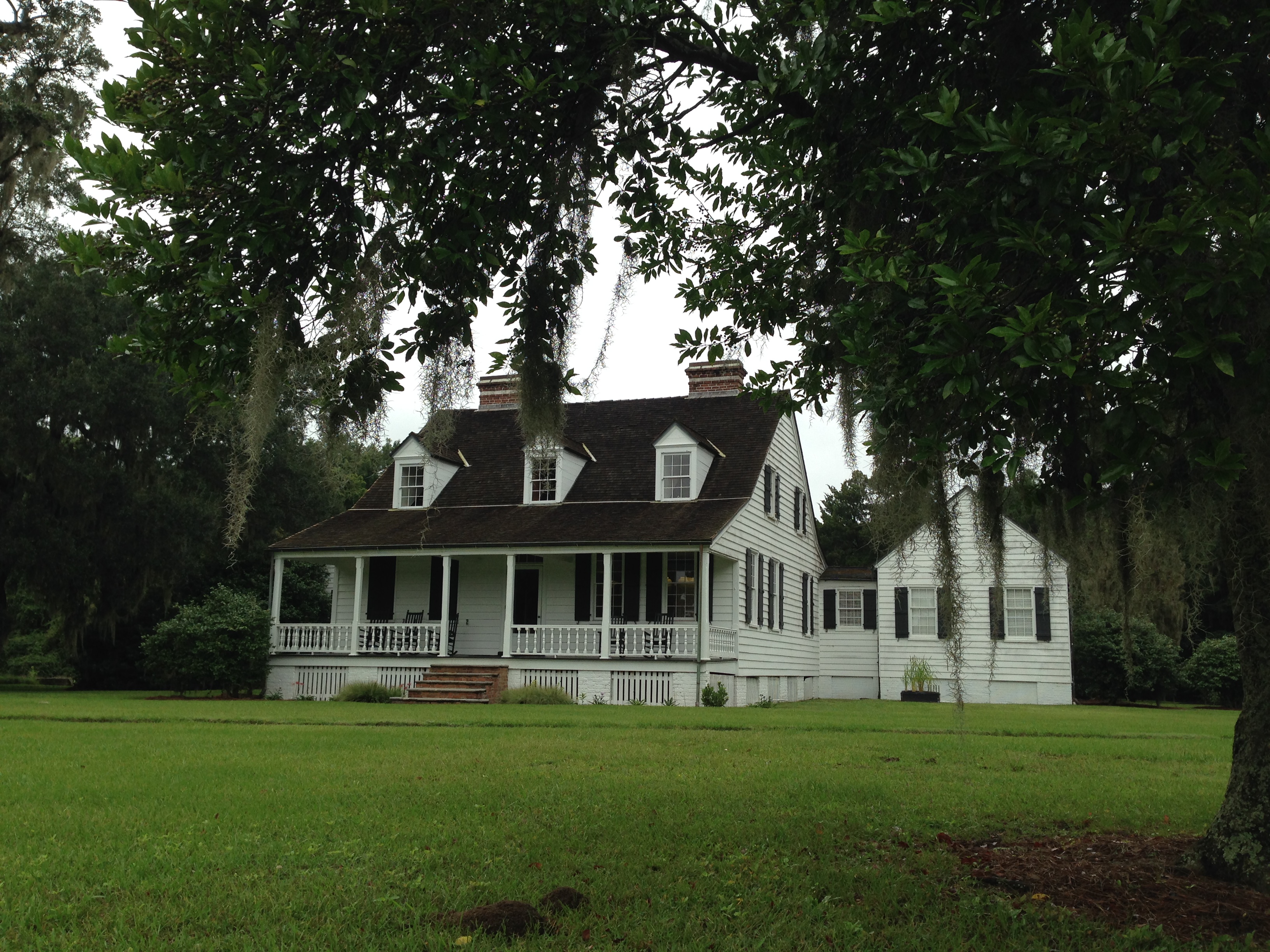
Charles Pinckney was a principal author and signer of the United States Constitution and went on to be a political leader in South Carolina for over 40 years. The park preserves Snee Farm, one of his plantation properties, where visitors can learn about the politician's influences on Charleston, the African people he enslaved, plantation operations, and the legacy of Pinckney's life.
Plan a Visit
Core visitor information on this page is sourced from the National Park Service. NPD proximity sections use NPS reference coordinates and straight-line distance. Local source bundle updated Sep 27, 2026. View the official NPS page.
Weather & Conditions
Winters are generally mild. Summers are hot and humid.
NPS Reference Location
Park state / territory membership: South Carolina. This map uses the National Park Service reference coordinate. It may represent an administrative or reference point rather than a park entrance, trailhead, visitor center, or the nearest access point. Use the official NPS directions below when planning travel.
Operating Hours
The historic home (Visitor Center) is open seasonally. For the 2026 season, the Visitor Center will be open five days a week Wednesday through Sunday from 9:00 a.m. until 4:30 p.m.. The season begins on Friday, May 1, 2026 and ends on Sunday, September 27, 2026. Park grounds are open Wednesday - Sunday, 9:00 AM - 5:00 PM. The entrance gate to the parking lot will be locked when the grounds are closed.
Activities
Getting There
The park is located on the south side of Long Point Road .7 miles from US Highway 17, or 3 miles if coming from I-526.
View Official DirectionsContact & Address
The NPS-listed address may be an administrative office, visitor center, mailing/contact location, or other park facility rather than a park entrance.
Topics & Themes
Visitor Centers
Charles Pinckney National Historic Site Visitor Center
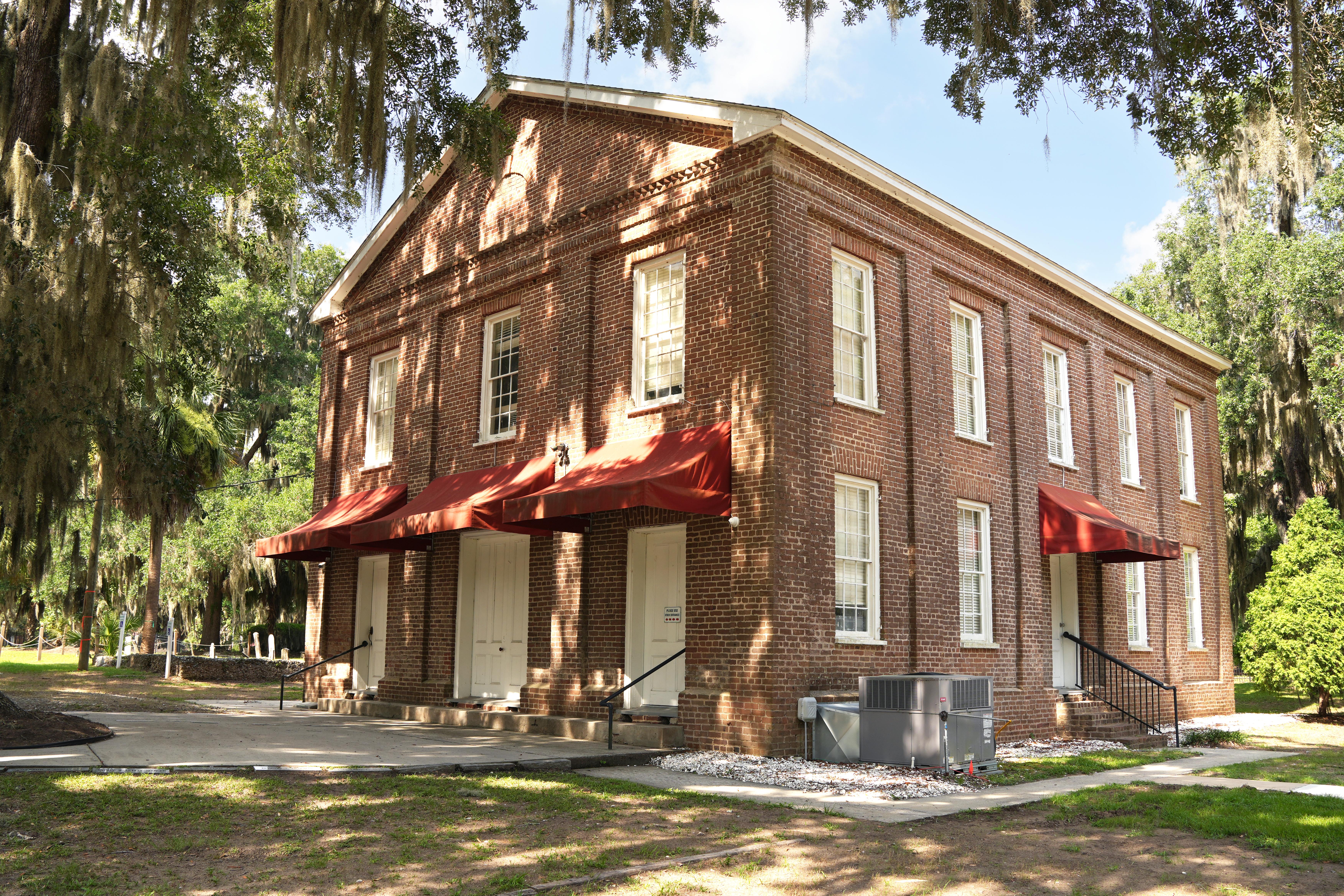
A historic Lowcountry cottage house serves as the park's visitor center. Visitors can enjoy museum exhibits, film options, Jr. Ranger program, and obtain park and…
Nearby National Park Service Sites
These sites are ordered by straight-line distance between NPS reference coordinates. This is useful for comparison, but it is not road mileage. Trails, parkways, rivers, and distributed units may extend far from their reference point.